Last updated November 21, 2026
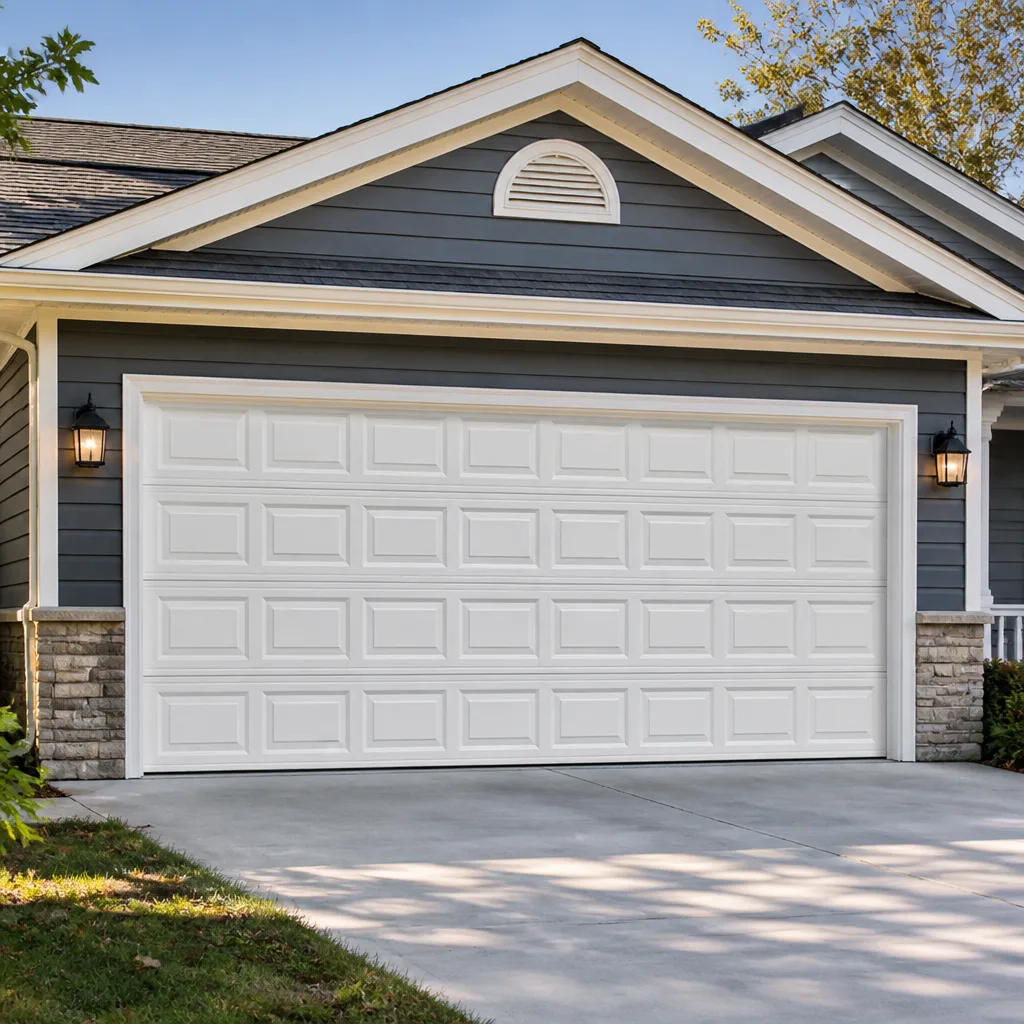 Raised-panel steel
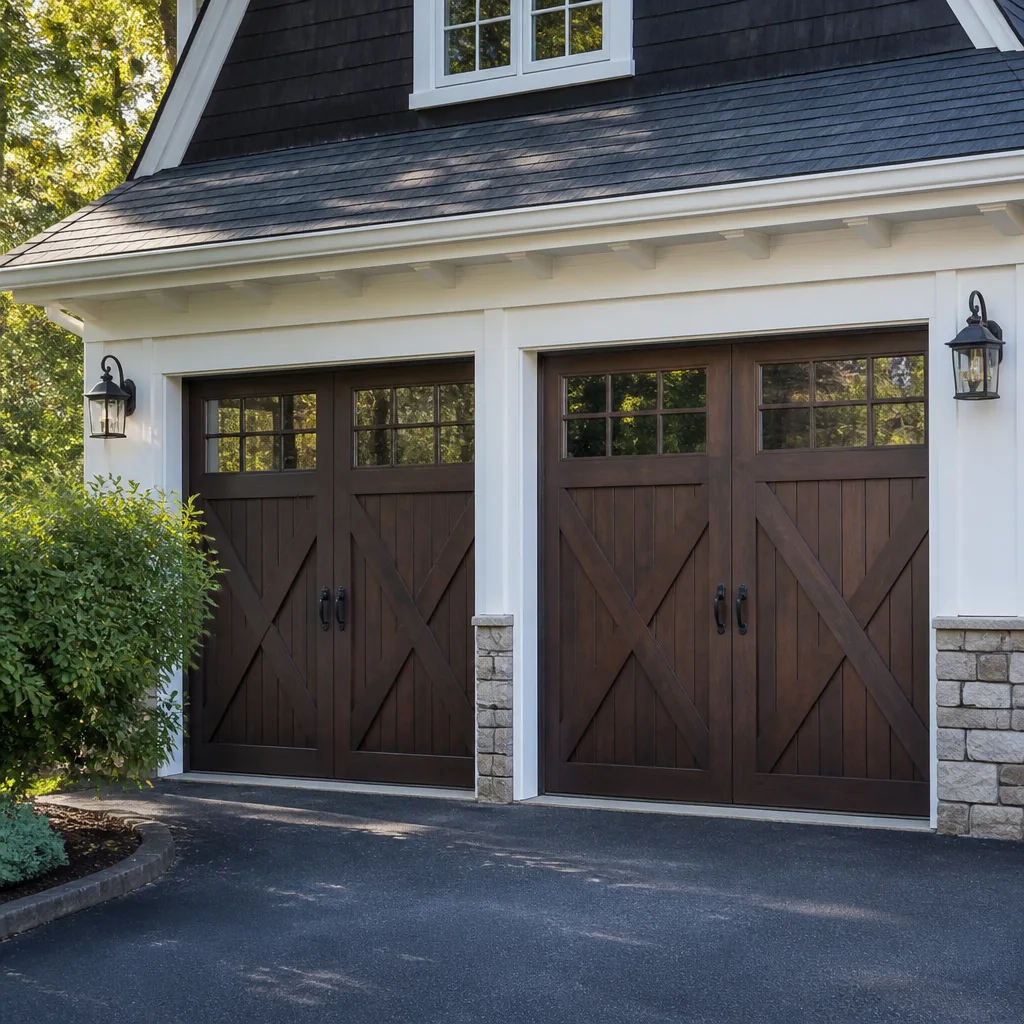 Carriage house
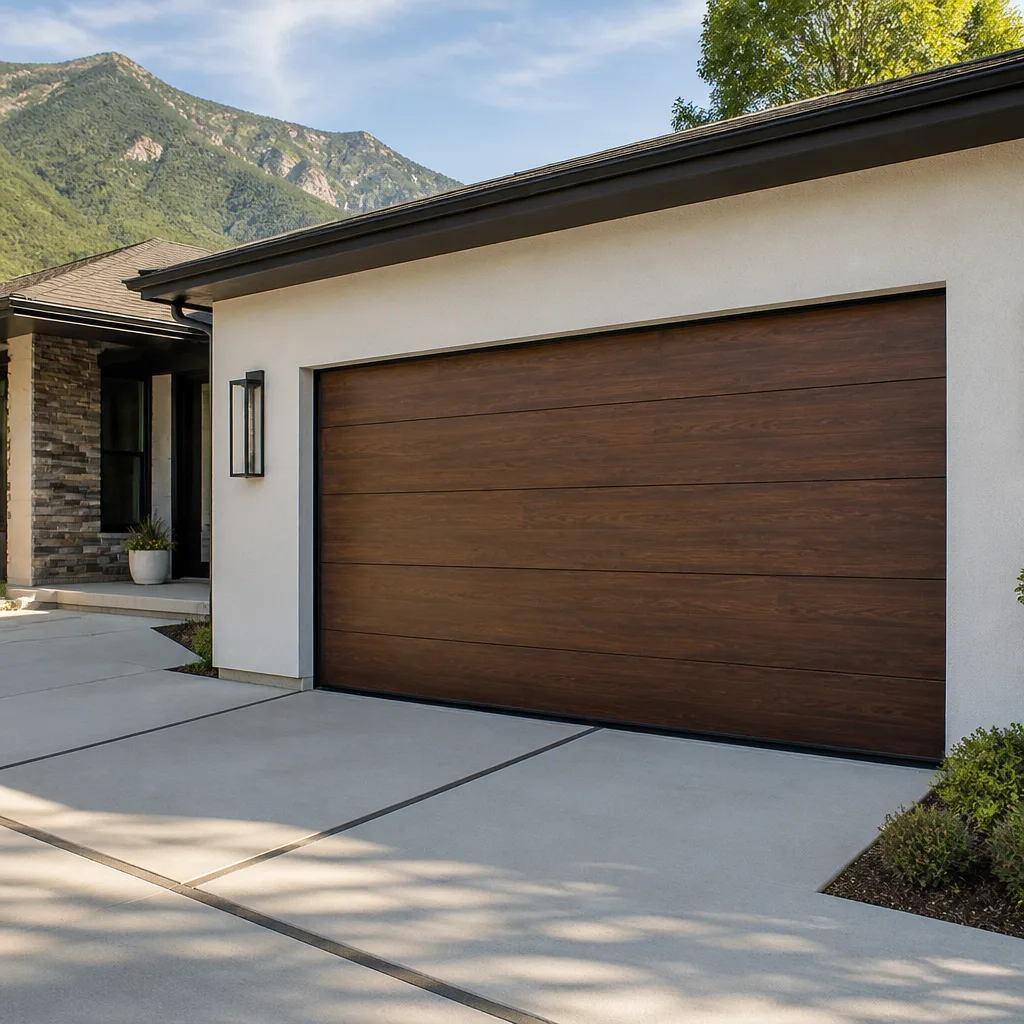 Modern flush
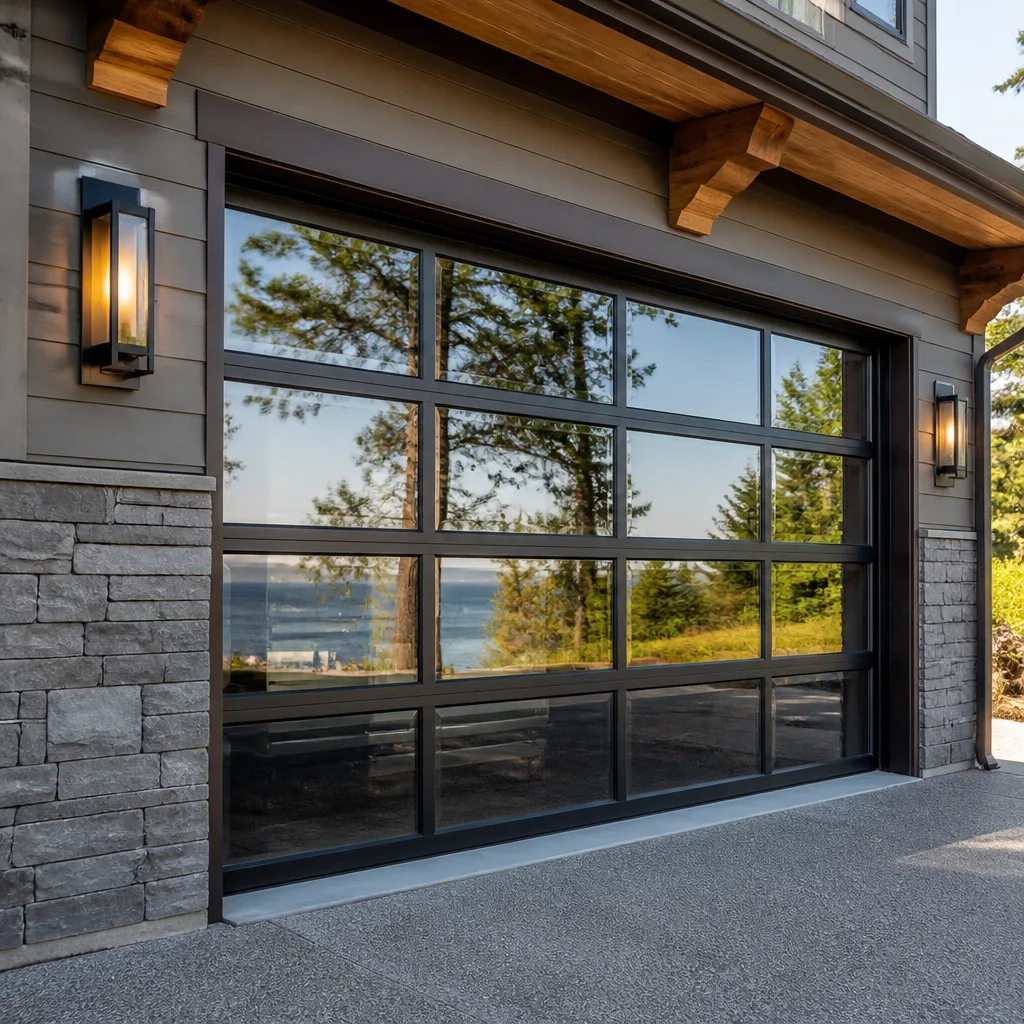 Full-view glass
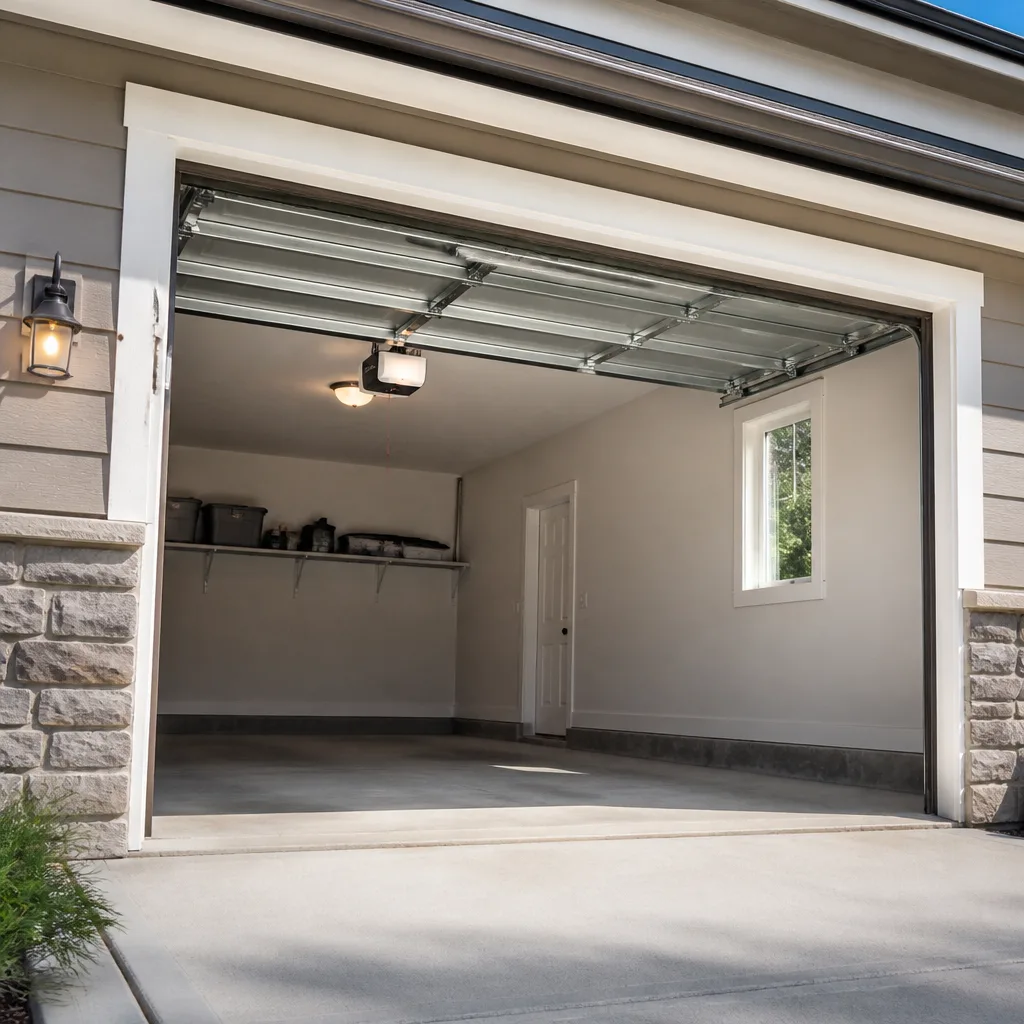 LiftMaster openers
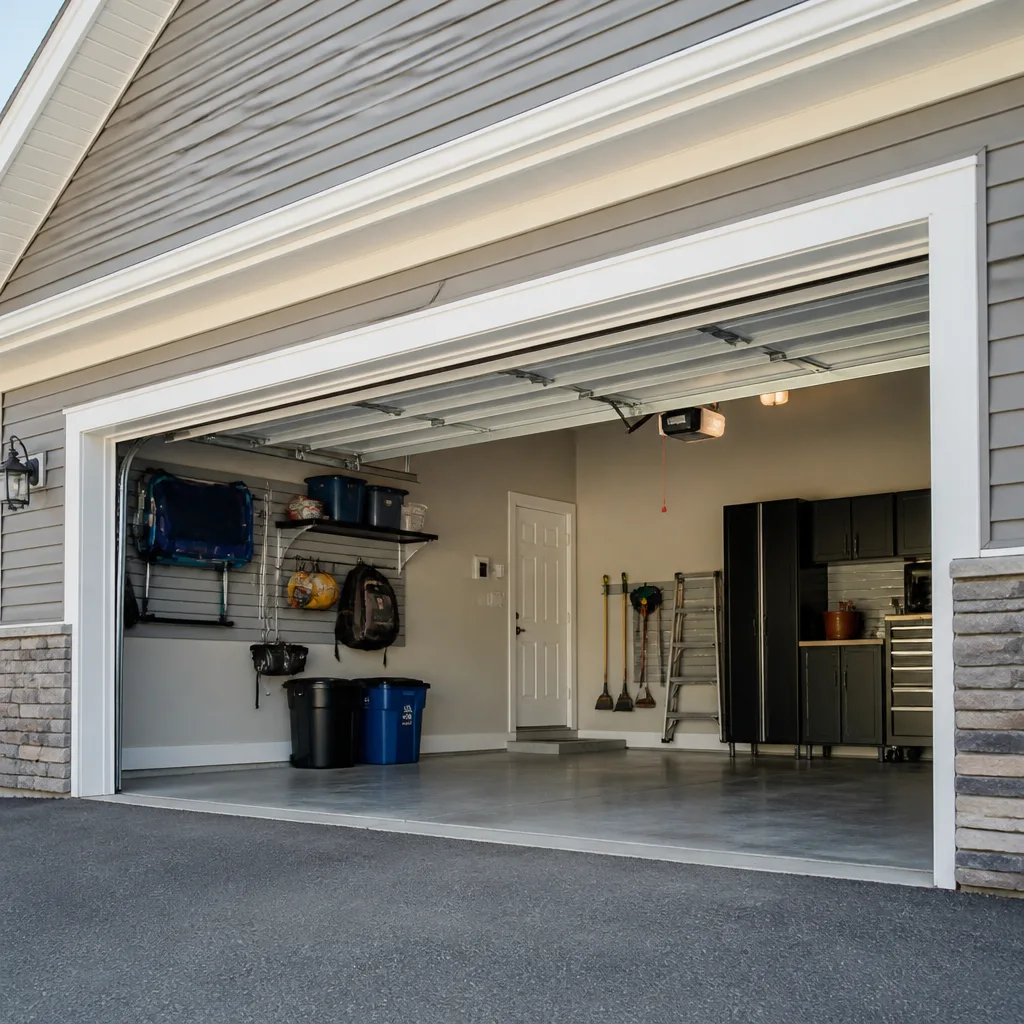 Chamberlain openers
Full 25-point door and opener safety check with every visit - springs, cables, rollers, tracks, and your LiftMaster or Chamberlain opener included
You get a price before we start. It does not change when the pro arrives.
Get your free estimateSeasonal Garage Door Care for Petworth: Year-Round Homeowner’s Guide
Most garage door advice you’ll find treats maintenance as a single checklist to repeat every few months. That advice fails in Petworth because the same door faces two opposite mechanical environments each year. DC’s summer humidity swells wood and composite door sections by as much as 3/16 of an inch, enough to bind in the track on doors that ran cleanly all winter. A winter cold snap does the reverse, shrinking materials and stiffening grease until the door groans through its cycle. The fix for a humidity bind is not the fix for a freeze bind, and treating one like the other is how homeowners turn a small adjustment into a bent track or a snapped spring. This guide walks through each season as its own mechanical problem, with the specific checks, adjustments and lubricants that match what Petworth weather is actually doing to your door.
Quick Answer
Seasonal garage door care in Petworth means matching your maintenance to the season’s dominant stress: in summer, watch for humidity swelling on wood and composite doors and check track clearance; in fall, verify torsion spring tension before the first freeze; in winter, switch to a low-temperature lubricant and inspect the bottom seal through freeze-thaw cycles; in spring, inspect cables and drum grooves for wear left by winter freeze-bind stress. Detached alley garages in Petworth also need a seasonal ground-heave check on the bottom seal that attached-garage owners can skip.
Styles & brands we work with
- Raised-panel steel
- Carriage house
- Modern flush
- Full-view glass
- LiftMaster openers
- Chamberlain openers
Table of Contents
- Why Seasonal Care Matters More in Petworth Than You Think
- Summer: Humidity Swelling and Opener Travel Limits
- Fall: The Right Time for a Torsion Spring Check
- Winter: Threshold Seals, Freeze-Thaw and Cold-Weather Lubricant
- Spring: Post-Winter Cable and Drum Inspection
- The Detached Alley Garage Task Attached Garages Can Skip
- A Simple Seasonal Schedule You’ll Actually Follow
- Common Mistakes to Avoid
- When to Call a Professional
- Frequently Asked Questions
Why Seasonal Care Matters More in Petworth Than You Think
Petworth sits in a climate band that delivers genuine extremes at both ends. Summers push into the mid-90s with heavy humidity, and winter cold snaps drop below 20°F. Those swings stress garage door hardware in opposite directions, which means a maintenance routine built for one season can work against you in another.
Your garage door is the largest moving part of your home, and it moves on a system of springs, cables, rollers and tracks that all react to temperature and moisture differently. Metal expands in heat and contracts in cold. Wood and composite door sections absorb moisture in summer and dry out in winter. Grease that flows smoothly at 70°F turns thick and tacky at 20°F. Rubber seals harden and crack when they cycle through repeated freeze-thaw. None of this happens on a calendar, but it happens reliably enough that you can plan around it.
What makes this especially important in Petworth is the housing stock. Many homes here have detached garages that open onto an alley, and those structures sit on separate slabs that move with the ground differently than an attached garage floor. The result is that a door which ran perfectly in October can drag or bind by February for reasons that have nothing to do with the door itself.
In our experience working on garage doors across Petworth and the surrounding blocks, the doors that last longest aren’t the ones that get the most attention, they’re the ones that get the right attention at the right time. A ten-minute check in the right season beats an hour of frantic adjustment in the wrong one.
Summer: Humidity Swelling and Opener Travel Limits
Summer in Petworth is the season of binding doors. When relative humidity climbs, wood and composite door sections absorb moisture and swell. On a sectional door, that swelling shows up as reduced clearance between the sections and the track. A door that had a clean 1/8-inch gap in April may have almost none by August.
You’ll notice it as a door that sounds rougher than it did in spring, or one that reverses partway down as if it hit something. In a lot of cases, it did: the door itself, pressing against the track.
Here’s the sequence for handling a summer bind without making it worse:
- Confirm the bind is humidity-related. Run the door by hand with the opener disconnected and listen. A rhythmic rub that comes and goes with the door’s position points to a section issue, not a track issue.
- Check the section-to-track clearance. With the door partway up, look for daylight or a visible gap on both sides. If the door is touching the track on one side only, something has shifted, and that’s a track alignment problem, not humidity.
- Leave your opener’s auto-force settings alone. On LiftMaster and Chamberlain openers, the auto-force setting is calibrated to the door’s resistance. Turning it up to push through a bind tells the opener to ignore a real obstruction, which defeats the safety reversal system. If the door is binding, fix the door, not the force setting.
- Adjust the travel limits only after the bind is gone. Travel limits control where the door stops at the top and bottom. They drift over time, but adjusting them to compensate for a swollen door masks the underlying problem and can cause the door to slam or fail to close fully.
If your door is a wood composite and the bind is mild, it may resolve on its own as the season changes. If it’s severe enough that the opener strains, call for garage door repair before the strain damages the opener’s gears. Summer is also when we see a rise in opener trouble calls, because a door that’s fighting its track is quietly wearing out the opener’s motor and drive train every time it cycles.
Fall: The Right Time for a Torsion Spring Check
Most maintenance advice tells you to check your springs in spring. In Petworth, fall is the correct time, and the reason is mechanical.
Torsion springs are wound to a specific tension at installation. That tension is calculated for the door’s weight in normal conditions. In summer, a swollen wood door weighs more, and the spring is working harder than spec. By fall, the door has dried out and returned to its design weight, which means the spring is now operating against a lighter door and has been stressed through an entire humid season. The first cold snap is the moment that accumulated stress tends to show up.
A fall spring check catches that stress before it becomes a failure:
- Listen for uneven cycling. A spring that’s losing tension makes the door feel heavier at the start of the up cycle and lets it drop faster on the way down.
- Look for a visible gap in the coil. A torsion spring that has a gap between its windings is a spring that is close to failing. Stop using the door.
- Watch for the door not staying open. A door that won’t hold position partway up is telling you the spring is under-tensioned for the cold weather ahead.
- Check the cables for slack. Slack cables in fall often mean spring tension has already dropped.
This is the one task in this guide where we’d tell you not to touch the hardware yourself. Torsion springs are under enough load to cause serious injury if they release unexpectedly, and the adjustment process requires specialized winding bars and a trained hand. We handle spring repair as a dedicated specialty for exactly this reason. If you want to check anything, check for the symptoms above and call. Fall, when the symptoms are just appearing, is the easiest and safest time to deal with them. For a door that’s already past checking and into failing, our garage door opener repair team can evaluate whether the opener has been damaged alongside the spring.
Winter: Threshold Seals, Freeze-Thaw and Cold-Weather Lubricant
Winter in Petworth brings sub-20°F snaps, and those cold stretches hit the bottom of your door hardest. The threshold seal is a strip of rubber or vinyl that sits at the base of the door and keeps weather, water and pests out. In a freeze-thaw cycle, moisture gets into small cracks in that seal, freezes, expands and breaks the seal open further. Then it thaws, and the next freeze does more damage. By the end of a cold season, a seal that looked fine in November can be a torn mess.
Here’s what to check on the bottom seal before and during winter:
- Check the seal-to-floor contact. With the door closed, look for daylight at the bottom corners. Any gap is where cold air and water get in.
- Look for cracked or brittle rubber. A seal that’s stiff in cold weather may be past its life. Rubber that cracks when you press a thumbnail into it in mild weather is already failing.
- Inspect the retainer. The aluminum or wood retainer that holds the seal can rot or loosen, especially on detached garages. A loose retainer lets the seal sag away from the door.
Lubricant is the other winter concern. Standard garage door grease thickens in cold weather and can turn from a smooth film into something closer to paste. That’s why we recommend a low-temperature lubricant on rollers, hinges and springs for the winter months. A lithium-based white grease rated for cold conditions is the usual choice. The difference is noticeable: a door that lumbered through November starts moving smoothly again once the right lubricant is on.
On Genie and Chamberlain openers with belt or screw drives, cold weather also affects the belt tension and the force sensing. If your opener struggles in winter but runs fine the rest of the year, the cold is the issue, not the opener. Lubrication and seal replacement usually fix it. If your door won’t move in cold weather, and the seal and lubrication checks haven’t helped, our emergency service can get you moving again.
Spring: Post-Winter Cable and Drum Inspection
Spring is when you inspect what winter did to your cables. The drum is the spool at the top of each side of the door where the cable winds as the door opens and closes. After a winter of freeze-bind stress, the cable can wear unevenly into the drum’s groove, and you’ll see it as a spiral pattern that’s deeper on one side than the other.
That wear pattern matters because an uneven drum groove is where cable failures start. The cable rides the groove instead of the drum’s edge, cuts into the metal over time, and eventually frays or snaps. A cable that lets go while the door is open is a door that can drop. That’s why this inspection is worth doing every spring.
What to look for on a spring cable check:
- Frayed or kinked cable. Look at the cable where it comes off the drum and runs down the side of the door. Any visible fray or sharp kink is a stop-use condition.
- Uneven drum wear. Compare the groove patterns on both drums. If one is noticeably deeper, the cable has been riding wrong.
- Cable slack. A loose cable means the spring tension is off or the drum has slipped.
- Rollers that wobble. Winter stress can also show up in the rollers. A roller with a worn bearing will rock side to side. Replace them as a set.
If the drum wear is significant, the standard fix is to replace the drums and cables together, since a new cable on a worn drum will wear the same way. We work on these systems across the major brands, and the procedure is the same whether you have a Raynor or a LiftMaster-installed setup. Cables are under enough tension that this is another repair we recommend leaving to a trained professional. If your spring inspection finds a problem beyond the cable, our garage door repair service handles the full system.
The Detached Alley Garage Task Attached Garages Can Skip
Petworth has a lot of detached garages that open onto alleys. Those garages sit on their own slab, and that slab moves with the ground in ways an attached garage floor doesn’t. Through the freeze-thaw cycle, soil under a detached slab can heave and settle, which changes the relationship between the door and the floor it seats against.
The task: check your bottom seal contact every season. On an attached garage, the floor and the door header are part of the same structure, and the contact is stable. On a detached alley garage, it isn’t. A door that seals perfectly in summer can leave a half-inch gap in winter because the slab has heaved up or the structure has shifted.
How to check it in a minute:
- Close the door and go inside the garage.
- Look along the bottom edge for daylight.
- Run a flashlight along the seal. It should compress slightly along its whole length.
- If you find a gap, don’t force the door down to close it. Try adjusting the bottom bracket height, which is the small bracket holding the seal, before you touch the opener’s travel limit.
If the gap comes back every season, the slab movement is the cause, and the answer is either an adjustable threshold seal or a bottom seal replacement with a taller profile. Either way, the fix belongs in the seal, not in the door’s alignment. This is one of the most common calls we get from Petworth homeowners with alley garages, and it’s a simple fix once you know what you’re looking at.
A Simple Seasonal Schedule You’ll Actually Follow
A schedule only works if it fits into what you already do. Here’s the version we recommend to homeowners in Petworth, timed to the tasks you can actually do yourself and the ones you should call for.
- Late spring (after the last frost): Inspect cables and drums for winter wear. Check rollers. This is a visual check, not a repair.
- Summer (July/August): Watch for humidity bind. Test the door by hand. Clean and lubricate the track and rollers with a standard lubricant. Do not adjust opener auto-force.
- Early fall (before the first freeze): Have the torsion springs professionally checked. This is the most important appointment on the schedule.
- Late fall / early winter: Replace worn seals. Switch to a low-temperature lubricant. Test the opener’s safety reversal with a small object under the door.
- Winter (during cold snaps): Check the bottom seal for freeze-thaw damage. Listen for unusual strain in the opener.
- Every season for alley-garage owners: Check bottom seal contact and adjust the bottom bracket if a gap appears.
You can do the visual checks and the lubrication yourself. The spring check and the cable and drum inspection are the two that are worth a professional visit, because those components are under tension, and the failure mode is injury. Building a schedule around that split is what makes it sustainable. If your door fails mid-cycle and you can’t wait for the next scheduled visit, our Garage Door Repair Petworth team can get you moving again without derailing the seasonal plan.
Common Mistakes to Avoid
- Cranking up the opener’s force setting to get past a bind. This disables the safety reversal system, which is the feature that protects anything or anyone under the door. Find and fix the bind instead.
- Using standard grease in winter. Thick grease in cold weather makes the opener work harder and shortens its life. Switch to a cold-rated lubricant before the first freeze.
- Checking springs in spring. In Petworth’s climate, the accumulated stress from summer humidity plus the first cold snap makes fall the right time to check torsion springs, not spring.
- Ignoring a rubbing sound on a humid day. That rub is often a swollen door section pressing the track. Left alone, it wears the rollers and strains the opener.
- Forcing an alley garage door down when the ground has heaved. The door isn’t closing because the slab moved, not because the door is stuck. Adjust the bottom bracket, not the opener.
- Replacing a seal without checking the retainer. A new seal on a loose or rotted retainer will fail again the same season.
- Skipping the spring cable and drum check after a cold winter. That’s the year the cable is most likely to be worn thin against the drum groove, and cable failures are the ones that can drop a door.
When to Call a Professional
Call for the four conditions below without waiting for the season to change.
First, any visible gap in a torsion spring’s coil, or a door that won’t hold position partway up. That’s a spring at or near failure, and it’s a danger to anyone under the door. Second, a frayed or kinked cable, or an uneven drum wear pattern that’s beyond a shallow groove. Cable failures drop doors. Third, an opener that strains or reverses on its own after you’ve fixed the track and seal issues. Fourth, a detached alley garage door whose bottom seal contact keeps changing despite bracket adjustments, since that points to slab movement and may need a specialist’s view.
If none of those apply and you just want a professional check, that’s the fall season visit and it’s worth doing. Garage Door Repair Petworth offers free estimates in Petworth, call (833) 509-3461 to book one. Our technicians have up to 10 years of experience on the eight major brands we work on, and the price is quoted and agreed before any work starts.
Frequently Asked Questions
Twice a year for self-checks, in late spring and early winter, plus one professional visit in early fall for the torsion spring check. The alley-garage bottom seal check is the one task that should happen every season. That split keeps the work manageable and puts the professional visits where the risk actually is.
Humidity swells wood and composite door sections, reducing clearance between the door and the track. DC’s summer humidity can swell sections by as much as 3/16 of an inch, which is enough to bind a door that fits perfectly when dry. The fix is to address the section or track clearance, not to raise the opener’s force setting. Call (833) 509-3461 for an exact quote, since estimates are free.
Fall. In Petworth’s climate, summer humidity adds load to the springs, and the first cold snap is when that accumulated stress shows up. A fall check catches the spring while it’s still adjustable rather than after it’s failed. Spring checks miss the failure window entirely. If your spring check turns up a problem, call us and we’ll schedule an evaluation.
A humidity bind happens when wood or composite sections swell and press the track. A winter freeze bind happens when the door shrinks in cold and grease thickens, making the opener work harder. The first needs a section or track adjustment; the second needs a cold-weather lubricant and seal work. Treating one as the other is how small issues become expensive ones.
Yes, but only after the underlying bind is fixed. Travel limits control where the door stops; they aren’t a fix for a door that’s binding. Adjusting them to compensate for a swollen door can cause the opener to ignore a real obstruction. If you’re unsure why the door is binding, call (833) 509-3461 and we’ll help you sort it out.
The slab is probably heaving or settling through the freeze-thaw cycle, which changes the door-to-floor contact. On an attached garage this doesn’t happen because the floor and header are one structure. Adjust the bottom bracket first; if the gap returns every season, an adjustable threshold seal is often the fix. Call us for a free estimate on seal replacement.
The Bottom Line
Petworth’s climate treats your garage door as two different machines, a summer one and a winter one, and the maintenance has to match each. Summer is about swelling and clearance. Fall is about spring tension, checked before the cold arrives. Winter is about seals and lubricant. Spring is about the cable and drum wear winter left behind. The one Petworth-specific task that doesn’t fit the pattern is the alley-garage bottom seal check, which belongs in every season. Keep the visual checks and lubrication on your own calendar, book the fall spring check with a professional, and treat any spring, cable or opener strain issue as urgent. The written quote comes first, and the estimate is free.
When a door fails or a repair turns out to be the start of a replacement, our full range of work means you don’t need to call a second company. We handle everything from a single spring to a full garage door installation, and we work on the brand you already have. Call (833) 509-3461 for a free estimate in Petworth and we’ll get your door back on a schedule that fits your season.
Written by the team at Garage Door Repair Petworth.
See the difference
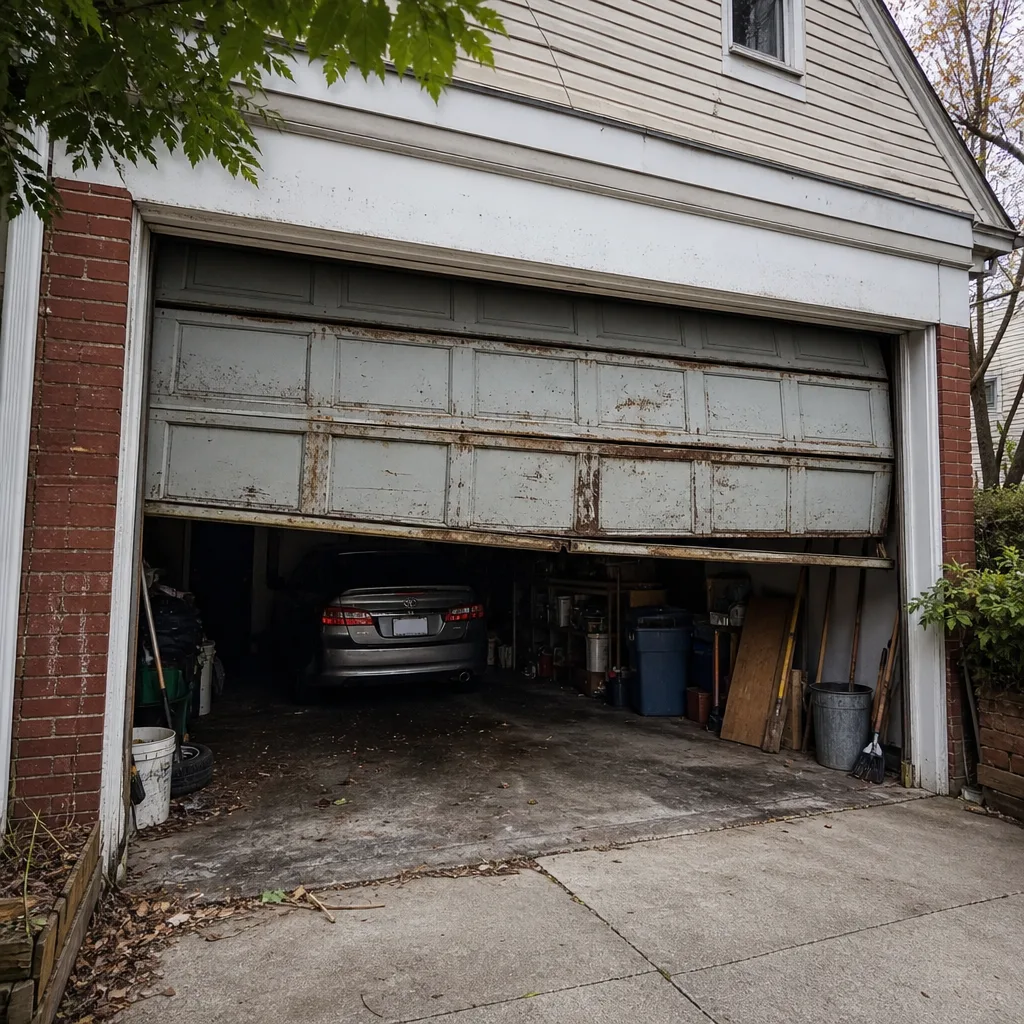 Before
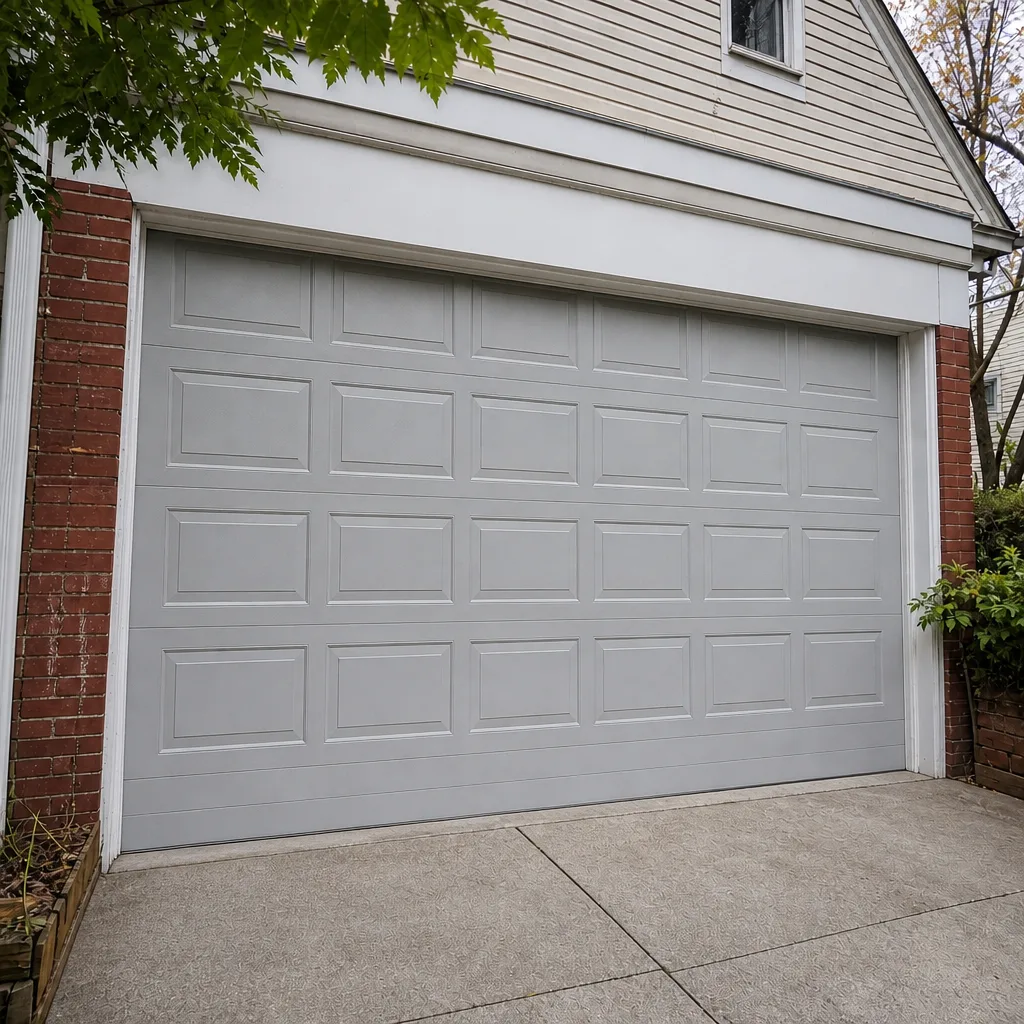 After
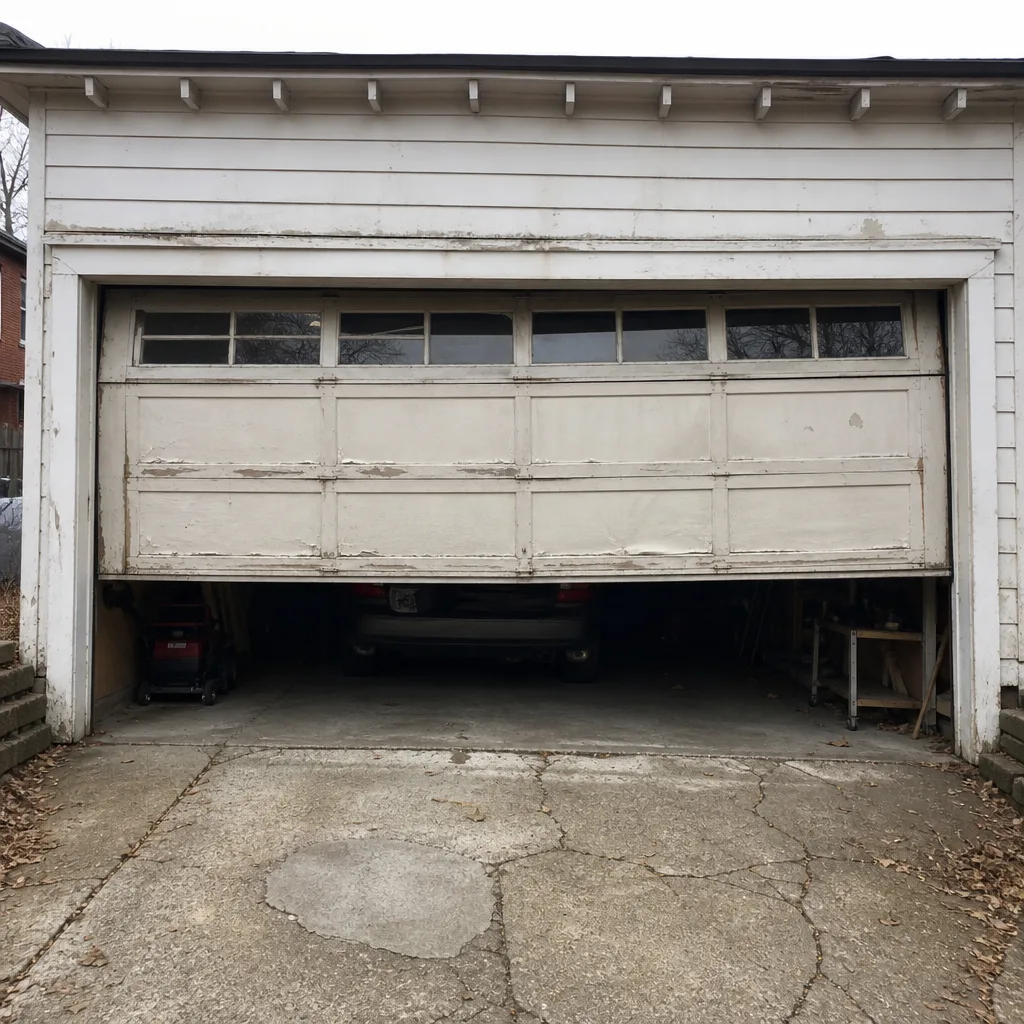 Before
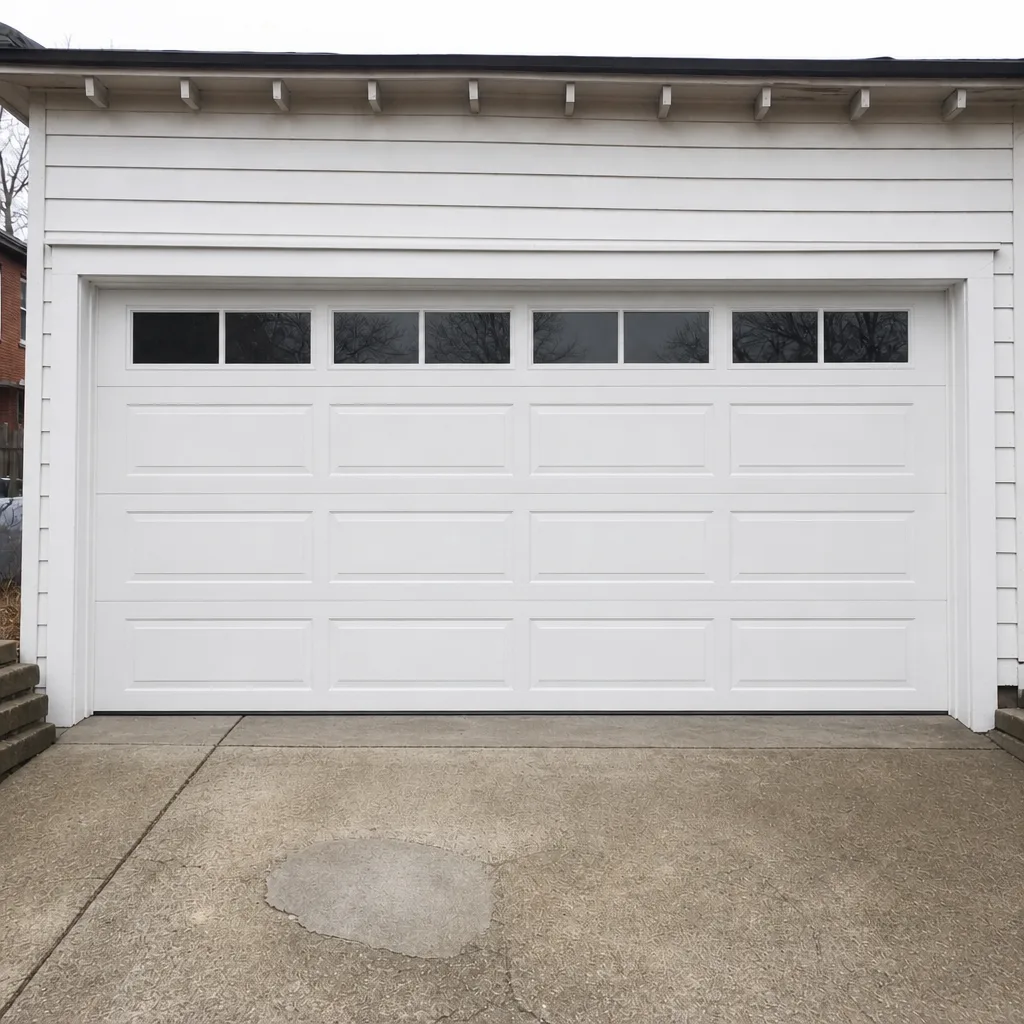 After
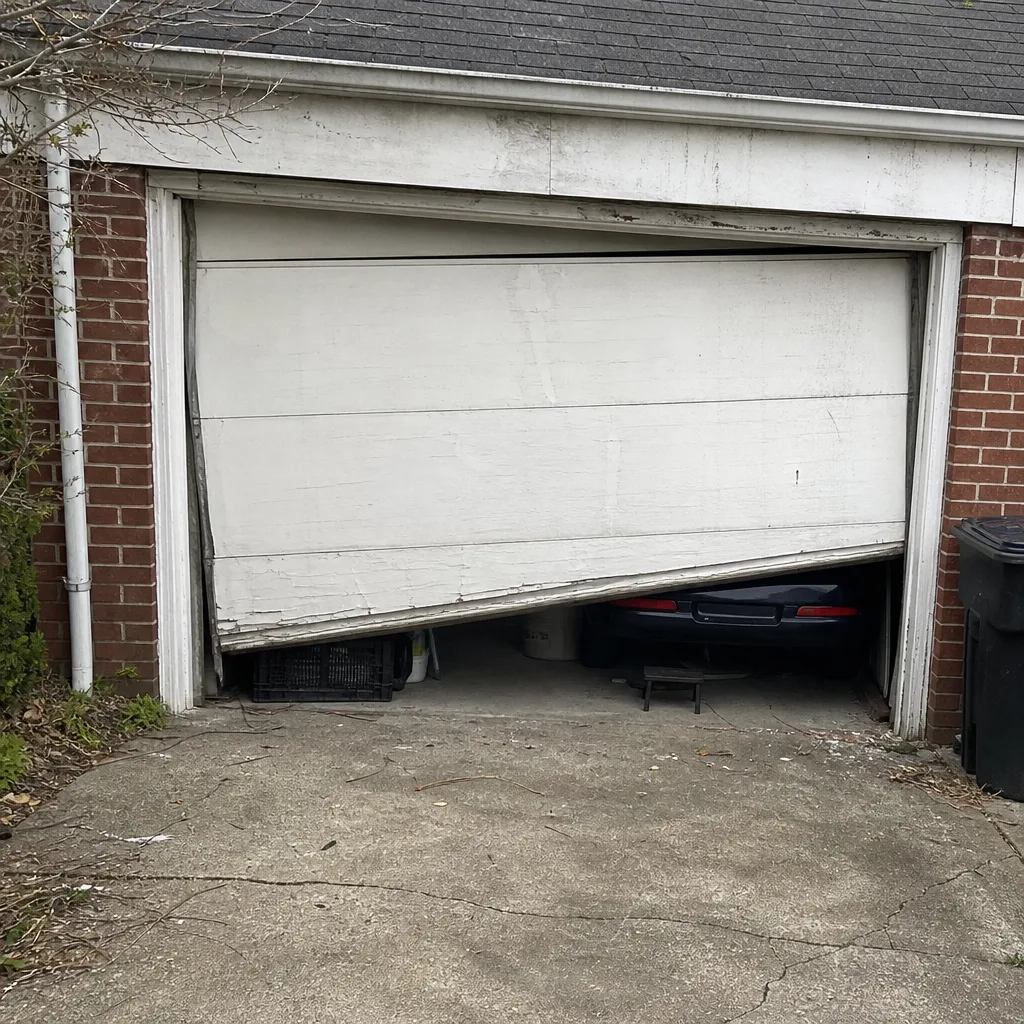 Before
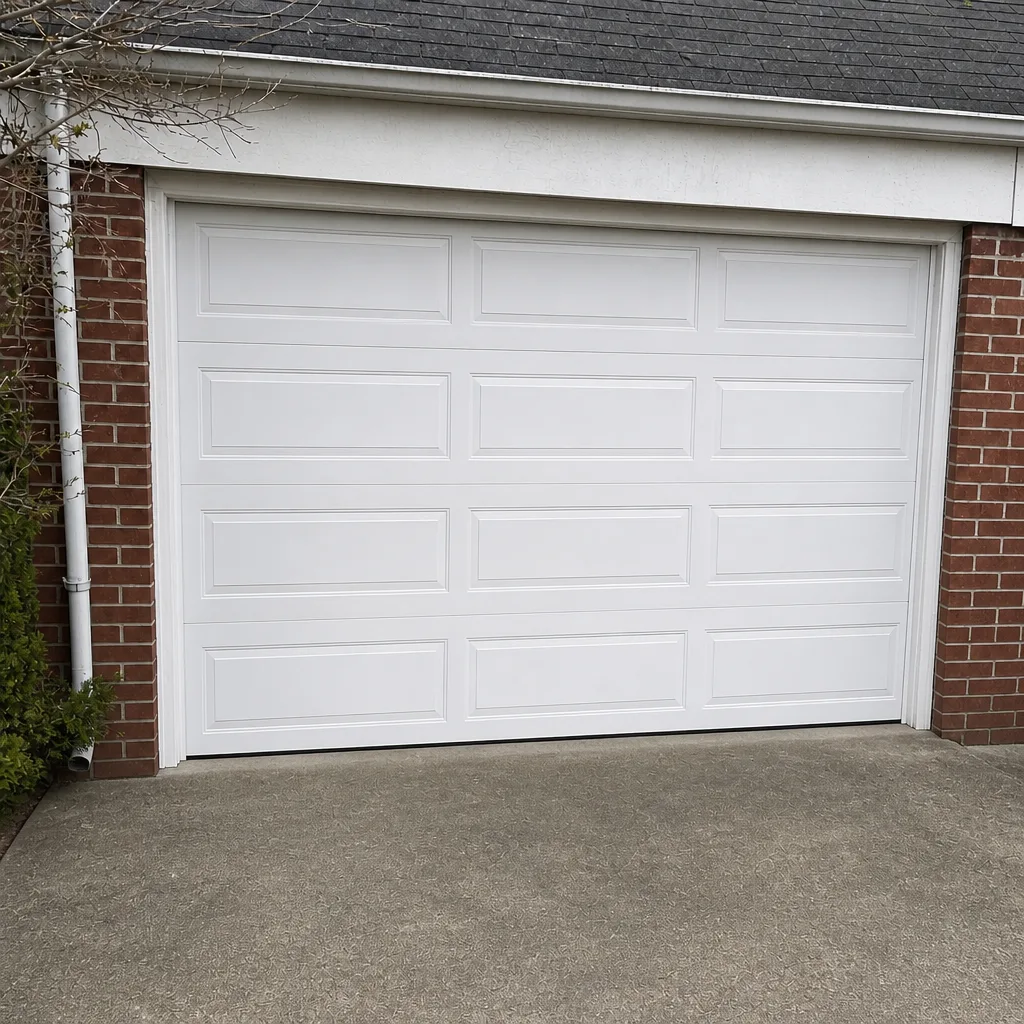 After