Last updated November 21, 2026
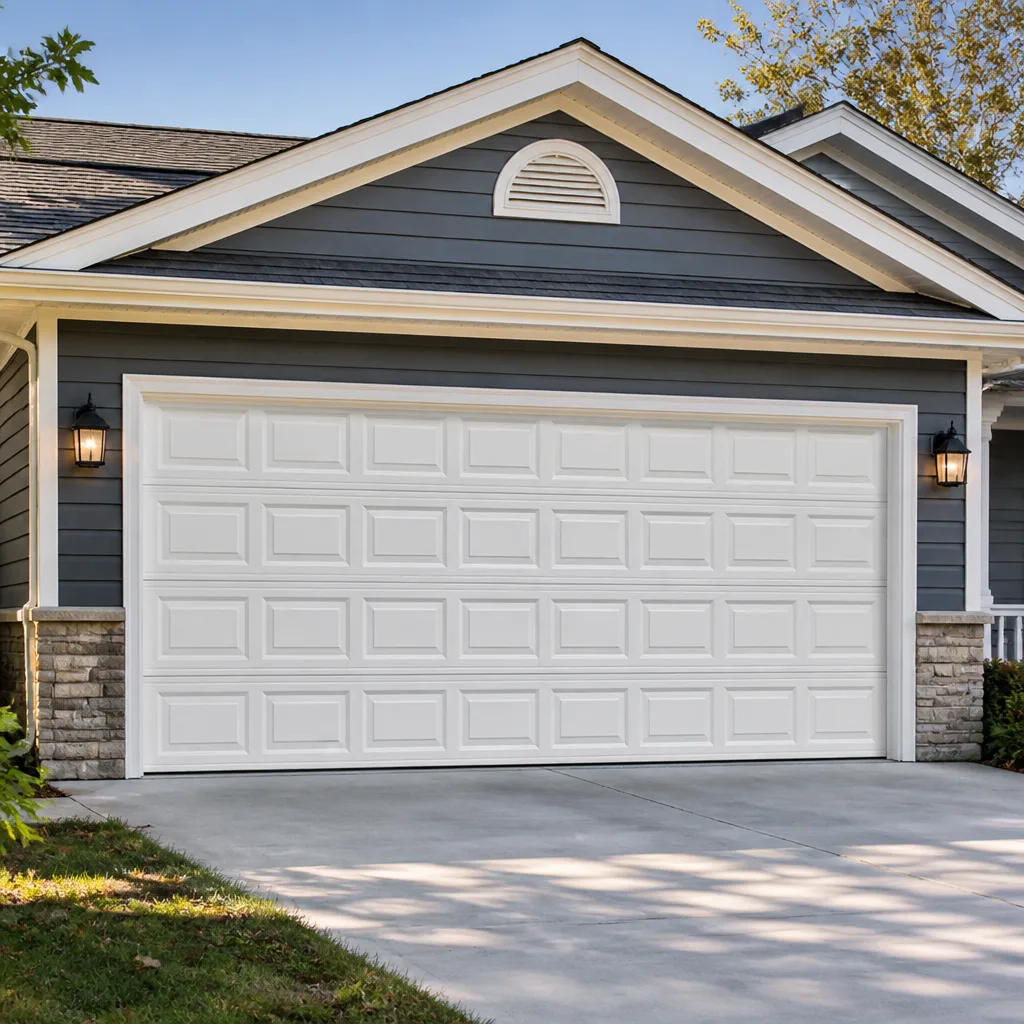 Raised-panel steel
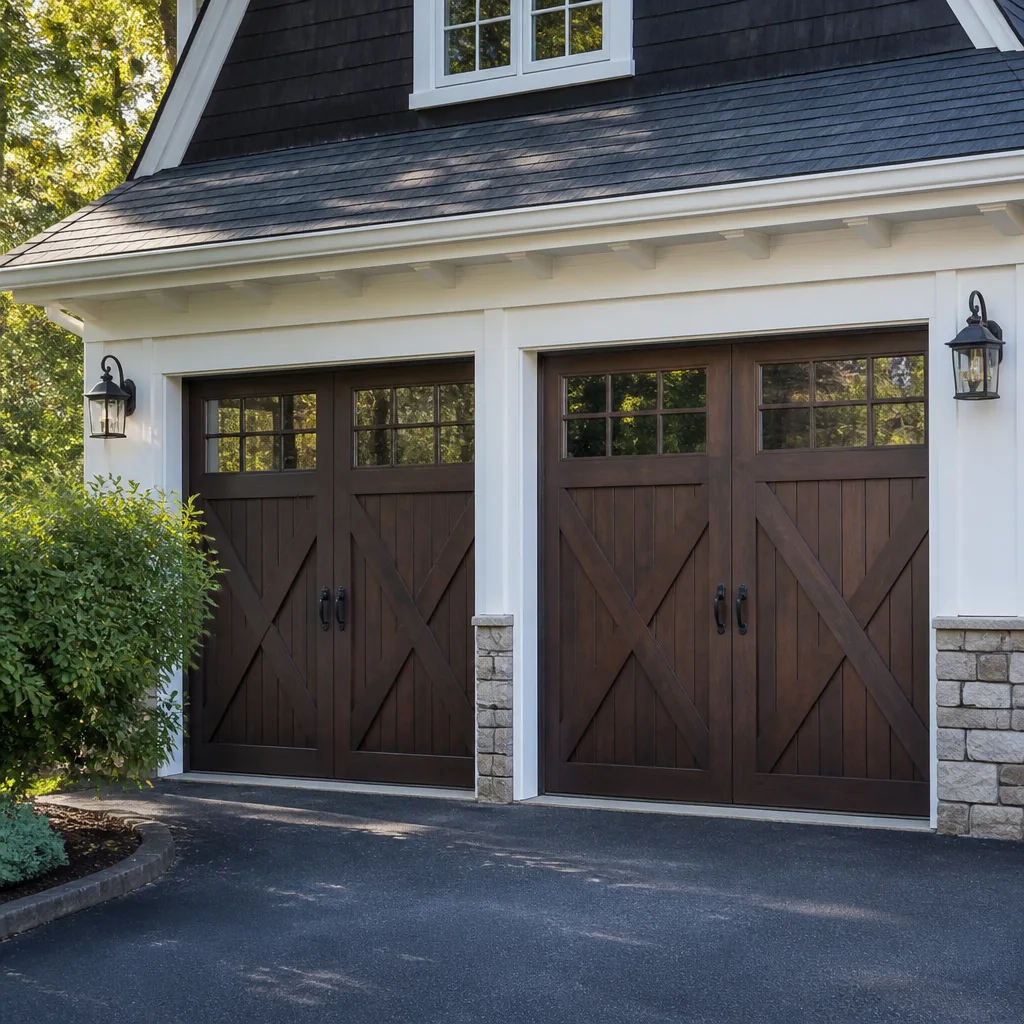 Carriage house
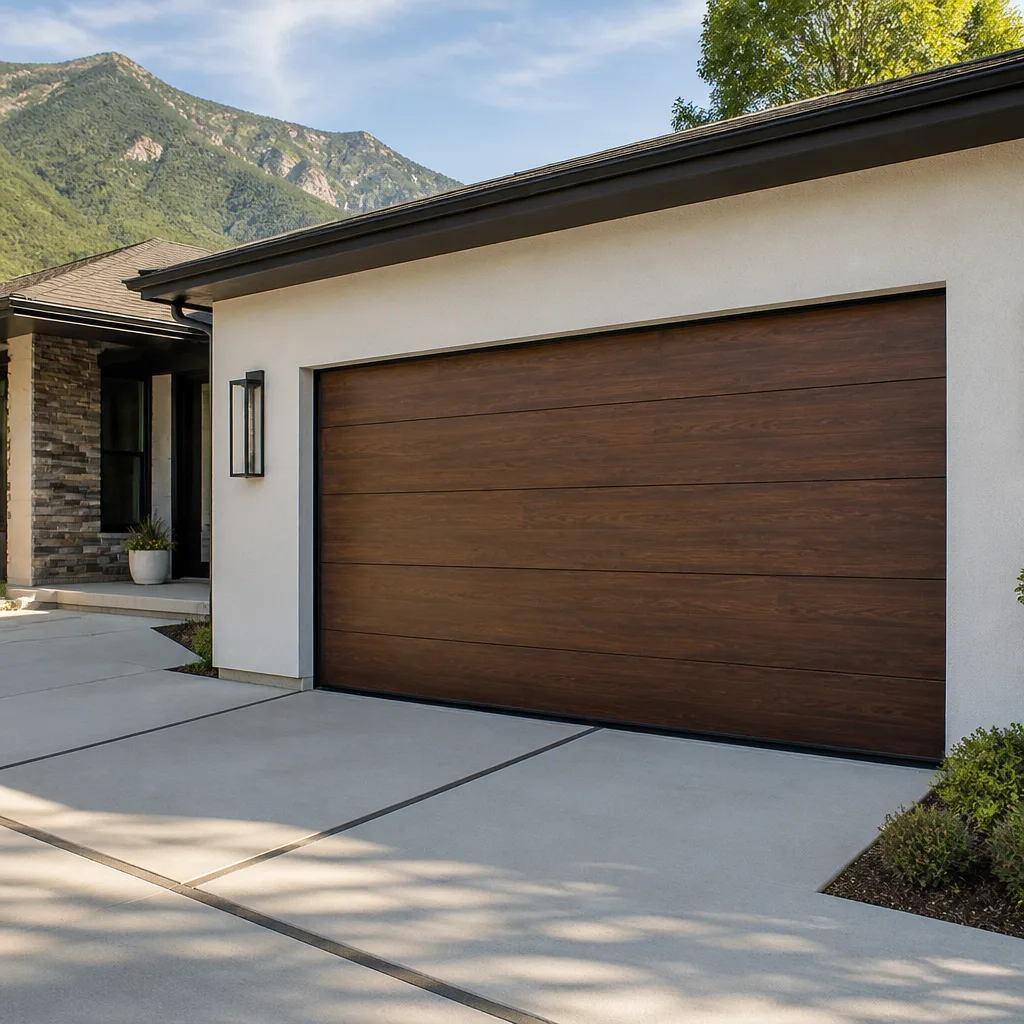 Modern flush
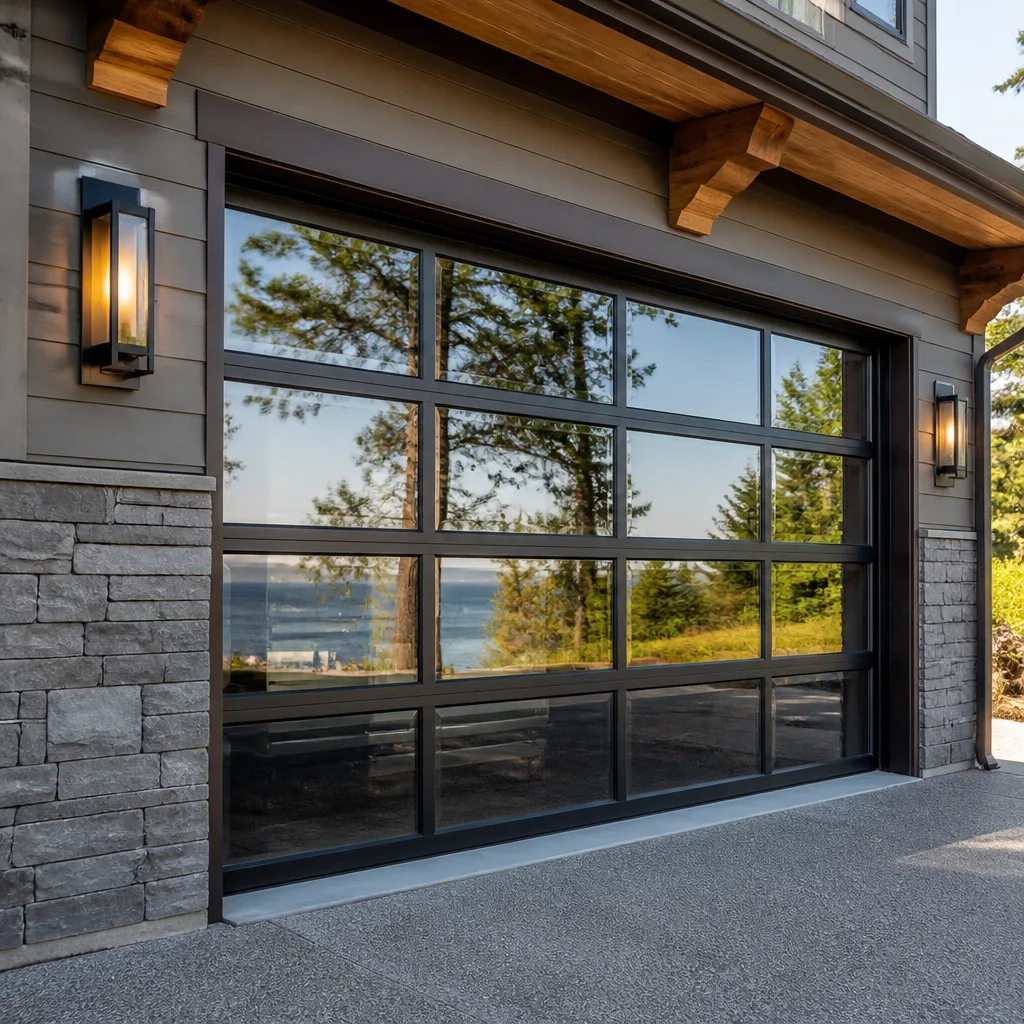 Full-view glass
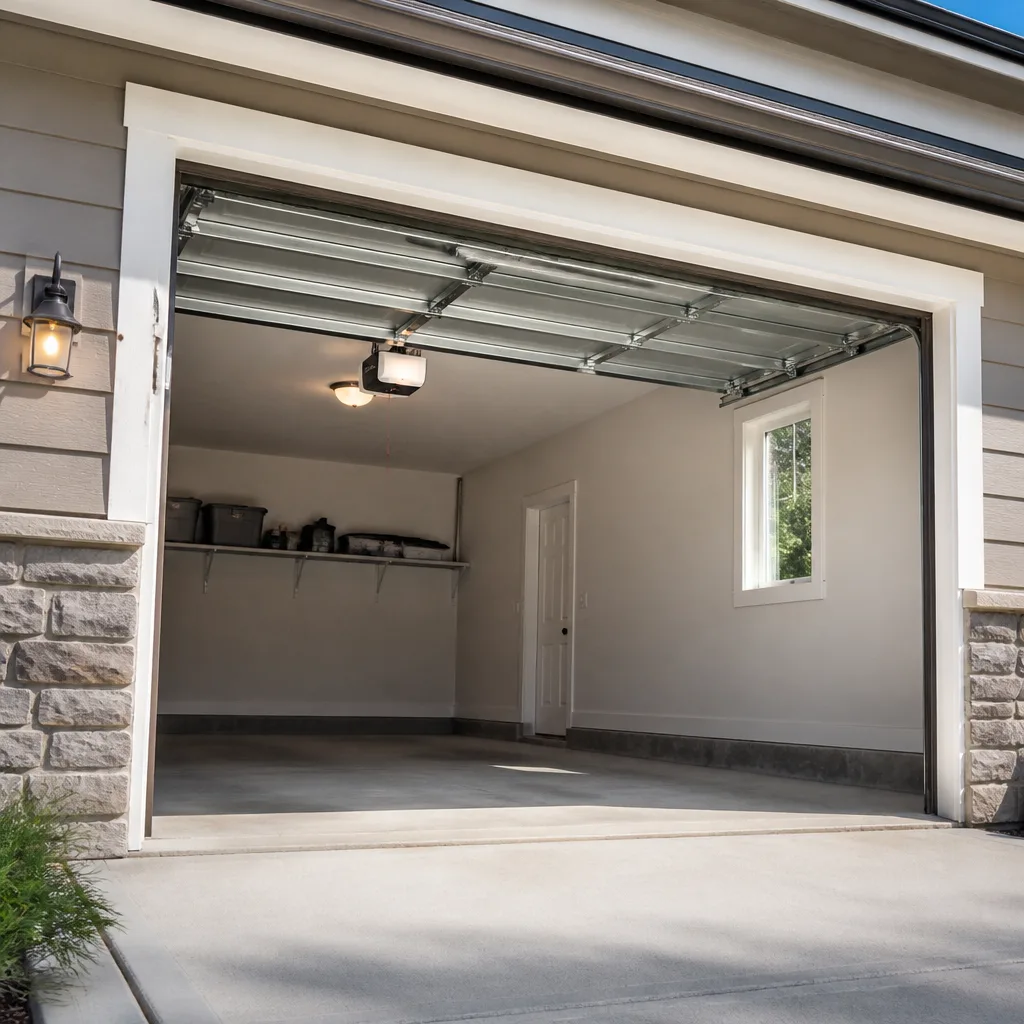 LiftMaster openers
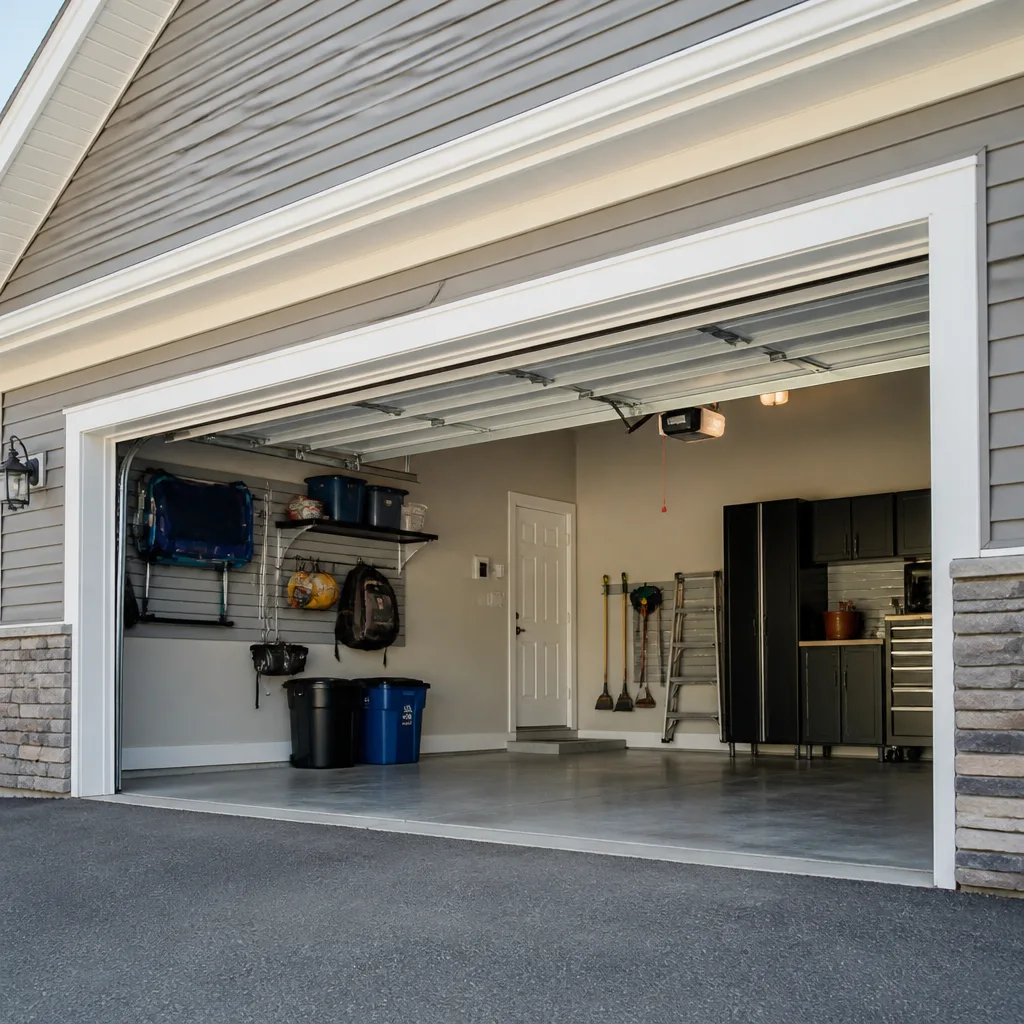 Chamberlain openers
Full 25-point door and opener safety check with every visit - springs, cables, rollers, tracks, and your LiftMaster or Chamberlain opener included
You get a price before we start. It does not change when the pro arrives.
Get your free estimateDIY vs Professional Garage Door: The Petworth Homeowner’s Decision Guide
A torsion spring stores roughly 100 foot-pounds of torque when it’s wound. The video making the job look manageable was filmed by someone who either got lucky or edited out the part where the winding bar slipped and they reset their stance before trying again. That isn’t a liability disclaimer. It’s a physics statement, and it explains why spring work sits on a different planet from every other garage door task you might handle yourself. In this guide we draw the line task by task, so you know exactly what you can own in your Petworth garage and what you shouldn’t touch.
Quick Answer
Most garage door maintenance is reasonable DIY work: sensor alignment, bottom seal replacement, roller swaps, and remote or keypad programming are all within reach for a careful homeowner. Torsion spring replacement, cable replacement, and opener motor replacement are not, because each stores or transfers force that can injure you before you have a chance to react. On a real cost basis, professional spring work usually lands close to what a DIY attempt costs in parts, tools, and time once you count honestly.
Styles & brands we work with
- Raised-panel steel
- Carriage house
- Modern flush
- Full-view glass
- LiftMaster openers
- Chamberlain openers
Table of Contents
- Where the DIY Line Actually Falls
- The Tasks You Can Legitimately Handle
- Torsion Springs: Why the DIY Case Doesn’t Exist
- Cable Replacement and the Real Cost of a Mid-Job Snap
- The Petworth Alley Garage Problem
- Brand-Specific Openers and Where DIY Stumbles
- The Honest Cost Comparison
- Common Mistakes to Avoid
- When to Call a Professional
Where the DIY Line Actually Falls
The DIY question usually gets framed as a skill question. Are you handy enough? That framing misses the point. The better question is whether a mistake on this task lets you stop and correct course, or whether it takes the decision out of your hands. Sensor alignment is the first kind. A torsion spring is the second.
Here’s how we sort garage door work at Garage Door Repair Petworth, and it holds up whether you’re in a rowhouse off Georgia Avenue or a detached garage tucked behind an alley in Petworth:
- DIY-friendly: safety sensor alignment and cleaning, bottom weather seal replacement, roller and hinge replacement, remote and keypad programming, light bulb swaps, and basic lubrication of tracks, rollers, and hinges.
- Gray zone, careful only: track adjustment after a minor bump, and rebalancing a door that’s slightly out of level. These are doable but easy to make worse, and a badly adjusted track wears rollers fast.
- Professional only: torsion and extension spring replacement, cable replacement, opener motor or logic board replacement, drum and bearing plate work, and full panel replacement after impact.
Notice the pattern. The DIY-friendly tasks are the ones where the door is at rest or the component holds no stored force. The professional-only tasks all involve springs under tension, cables carrying that tension, or a motor coupled to a door that weighs well over a hundred pounds. That’s not gatekeeping. It’s a description of where the energy lives in a garage door system.
The Tasks You Can Legitimately Handle
We’d rather you handle the simple stuff than pay for a service call over a misaligned sensor. Here’s what genuinely belongs in your hands, and how each one works.
- Safety sensor alignment. The two small photo-eye sensors near the floor should face each other with their indicator lights solid. If one is blinking, the beam is broken or the sensors are knocked out of line. Loosen the mounting bracket, aim them at each other, and tighten. Clean the lenses while you’re there; Petworth pollen and dust collect on them through the open season.
- Bottom seal replacement. The rubber seal along the bottom edge cracks and flattens over time, which lets in drafts and water. Slide the old seal out of its channel and feed a new one in. Measure the door width before you buy; a seal that’s too short leaves a gap at one end.
- Roller and hinge replacement. Worn nylon rollers make a door rattle and run rough. With the door fully closed and the springs relaxed, you can swap rollers one at a time. Never remove more than one hinge at a time, and never touch the hinges that hold the bottom bracket.
- Remote and keypad programming. This is pure button sequence, and the manual is your friend. On a LiftMaster or Chamberlain system it usually means pressing the learn button on the motor head and then the remote button within a set window.
- Lubrication. A light application of garage door lubricant on the hinges, rollers, and the spring coils (not the tracks) quiets a door and slows wear.
All five of these keep the door at rest and the springs wound but untouched. That’s the safety boundary. Cross it and the math changes.
Torsion Springs: Why the DIY Case Doesn’t Exist
A torsion spring holds the entire weight of the door in tension, and it’s wound during installation to a specific number of turns. At rest it’s already storing force. When you wind or unwind one, you’re working directly against that force with two steel bars and your body in the path of the release.
Here’s why this task has no reasonable DIY version:
- The energy releases instantly. A spring that lets go doesn’t give you a moment to step back. The bars fly, the spring whips, and the door can drop. There’s no course correction available mid-event.
- Winding bars and turns are exact. Springs are matched to door weight and height. The wrong spring, or the wrong number of turns, leaves the door either too heavy to lift by hand or under-tensioned so it slams. Neither is safe.
- The parts aren’t universal. Wire gauge, inside diameter, and length all have to match. A spring that fits the shaft but is the wrong gauge will fail early or fail dangerously.
- Extension springs need containment too. If your older Petworth garage still runs extension springs, they need a safety cable through the center of each one to keep a broken spring from flying. That cable has to be present and correctly run.
Our spring replacement service exists because this is one of the most commonly mishandled repairs in the trade, and it’s the one that sends people to the emergency room. We’ve met plenty of homeowners who replaced a sensor themselves and did it well. We have never met one who should have wound their own torsion spring. If a spring has snapped, that’s an emergency garage door repair call, not a weekend project.
Cable Replacement and the Real Cost of a Mid-Job Snap
Garage door cables carry the spring’s tension to the bottom corners of the door. When a cable is frayed, kinked, or off its drum, the door is being held by less than it should be, and the drum has already lost its wrap. Replacing a cable means releasing the spring tension first, running the new cable, and re-wrapping the drum by hand before you re-tension.
The failure mode here is what separates cable work from DIY: if a cable snaps while it’s being worked on, it can whip across the garage with the stored spring energy behind it. The injury risk is real and the secondary damage is expensive. A cable that lets go mid-job can take out a panel, bend a track, snap a hinge, and in some cases drop the door unevenly onto one side. Now you’re paying for a cable job plus panel and track repair, and the door still isn’t fixed.
What “saving money” looks like honestly: a cable replacement quoted by a professional is one line on an estimate. A cable job that goes wrong becomes three lines, plus a door that may not close. That’s not a scare tactic. It’s the actual arithmetic, and it’s why we treat cables the same way we treat springs: professional work, full stop.
The Petworth Alley Garage Problem
Petworth garages aren’t suburban. Many of them sit at the end of a narrow alley, under a low header, with a fence or a neighboring wall a few feet from the door. That geometry changes the DIY calculation in ways a general garage door guide never mentions.
When you’re working overhead, you need a stable ladder position and clearance above the door to lift a panel or work on the spring. In a tight Petworth alley, that clearance often isn’t there. A ladder that won’t set flat on uneven alley pavement, a door that opens within inches of a low roof edge, and no room to swing a panel out of the way all raise the chance of a fall or a dropped part. Those constraints are exactly why we plan access before we quote spring and opener work in this neighborhood rather than assuming a driveway setup.
Alley access also matters for the equipment itself. Openers mounted close to a low ceiling leave less room for the rail and the manual release cord, and the release has to hang where you can actually reach it. These are small details that decide whether a job is straightforward or a headache, and a specialist who knows the neighborhood plans for them. Our garage door repair team works these layouts regularly and knows what a Petworth alley garage demands before anyone climbs a ladder.
Brand-Specific Openers and Where DIY Stumbles
Older openers were dumb machines: a motor, a light, and a radio receiver. Newer openers are networked controllers, and that’s changed what setup involves. The brands we work on most in Petworth homes are LiftMaster and Chamberlain, and both have moved toward encrypted radio and app-connected control.
Here’s where homeowners tend to get stuck:
- Security+ 2.0 remotes (LiftMaster) need a pairing window. You press the learn button on the motor head, then press the remote button within the few seconds the opener is listening. Miss the window and nothing happens, which reads as a dead remote but is really a timing problem.
- myQ setup (Chamberlain and LiftMaster) needs a strong Wi-Fi signal at the opener. If the garage sits behind the house at the end of a Petworth alley, the signal at the motor is often weaker than it is at the kitchen. The opener connects to the app on a 2.4 GHz band, and that’s the band that travels furthest but only if it reaches the door at all.
- Force and travel limits are separate from programming. After a new remote or a wall control install, the travel limits and force settings still have to be set to the door. They’re not part of the pairing, and a door that reverses on its own usually has a limit or force problem, not a remote problem.
- Logic board faults look like remote faults. A receiver board that’s failing will stop accepting remotes entirely. That’s not a programming issue and no amount of button-pressing fixes it.
Our opener work covers LiftMaster, Chamberlain, Genie, and Craftsman, which are the four most common brands found in American homes. When the trouble is the motor itself rather than the programming, our garage door opener repair service can diagnose whether it’s the logic board, the capacitor, the travel limits, or the door’s own balance. Motor replacement and logic board replacement are on the professional-only list; programming and remote pairing are on yours. For LiftMaster and Chamberlain, we’re factory-familiar with the pairing sequences, so the setup doesn’t become a guessing game.
The Honest Cost Comparison
The cost question deserves a straight answer, so here it is without inflating either side. A professional torsion spring replacement is one spring. If your door runs a matched pair, which most two-spring doors do, the pair gets replaced together, so a pair costs about twice a single spring. The written estimate you get before any work starts sets the final price.
For the DIY side, add up the parts, the tools, and the time honestly:
- Parts: the correct spring or springs matched to door weight and height, plus winding bars rated for the job.
- Tools: winding bars, a solid ladder, safety glasses, and gloves. The bars alone run more than most people expect.
- Time and a second pair of hands: spring work is a two-person job for safety and alignment.
- Risk: the cost of the injury you don’t have, measured against the cost of the one you might.
When you price it that way, professional spring work usually comes in close to the DIY figure for a pair. The gap narrows further when a DIY attempt goes wrong and you still call a professional, now with a door that’s out of balance, a cable that’s jumped, or a panel that’s damaged. For a plain single-spring door, the pro number is the number. For a matched pair, it’s roughly double.
The same logic applies to openers. A remote or keypad programming job is free to do yourself if you have the manual. A motor or logic board replacement isn’t a DIY line item. If your opener needs a full replacement, our garage door installation service handles new openers as part of new door work, and one visit covers the door and the operator together.
What About Installation?
New door installation is different from repair in one important way: it’s measured and scheduled, not urgent. The panels are ordered to your opening, the springs are matched to the new door’s weight, and the opener is fitted to the door rather than the other way around. It is not a same-day task, and we don’t promise it as one. What we do promise is a free measure and a written price before anything is ordered.
Can you install a door yourself? In theory. In practice, a mis-measured panel or a spring matched to the wrong weight turns a job into a redo. If you’re replacing rather than repairing, the most useful thing you can do is get the opening measured correctly and the door spec’d to the track and header you actually have. That’s the conversation we have on every install estimate.
Common Mistakes to Avoid
- Trying to wind a spring with a screwdriver. It’s a substitution we hear about often and it ends the same way. Use winding bars or call a professional.
- Disconnecting the opener without securing the door. With the opener engaged, the door can’t fall. Pull the manual release on a door with a broken spring and it comes down fast. Secure the door first.
- Assuming the opener has a problem when the door is out of balance. A door that won’t stay halfway open by hand is a spring or bounce issue, not a motor issue. Force settings can mask it, badly.
- Leaving a bottom seal gap because the new seal is slightly short. A short seal leaves a gap at one end that lets in drafts and water. Measure the door width first.
- Working off an unstable ladder in a narrow Petworth alley. Alley pavement is uneven and the clearance above the door is tight. If the ladder won’t set flat, don’t climb it.
- Buying rollers or springs without matching them to the door. Door weight and height determine the spring; the roller needs the right stem length and wheel diameter for your track.
- Ignoring a frayed cable because the door still opens. A frayed cable is a warning, not a quirk. Stop using the door and get it looked at.
When to Call a Professional
Call us when the task is spring work, cable work, motor or logic board replacement, or a door that’s out of balance or won’t close all the way. Call us when a panel is damaged after an impact, when the door has come off its track, or when a remote or keypad issue turns out to be a receiver or board fault that programming won’t fix. And call us when you’ve checked the obvious – sensors, power, remote batteries – and the door still won’t move. Our technicians have up to 10 years of experience on garage doors across LiftMaster, Chamberlain, Genie, Clopay, Amarr, Wayne Dalton, Craftsman, and Raynor equipment. Garage Door Repair Petworth offers free estimates in Petworth – call (833) 509-3461.
See the difference
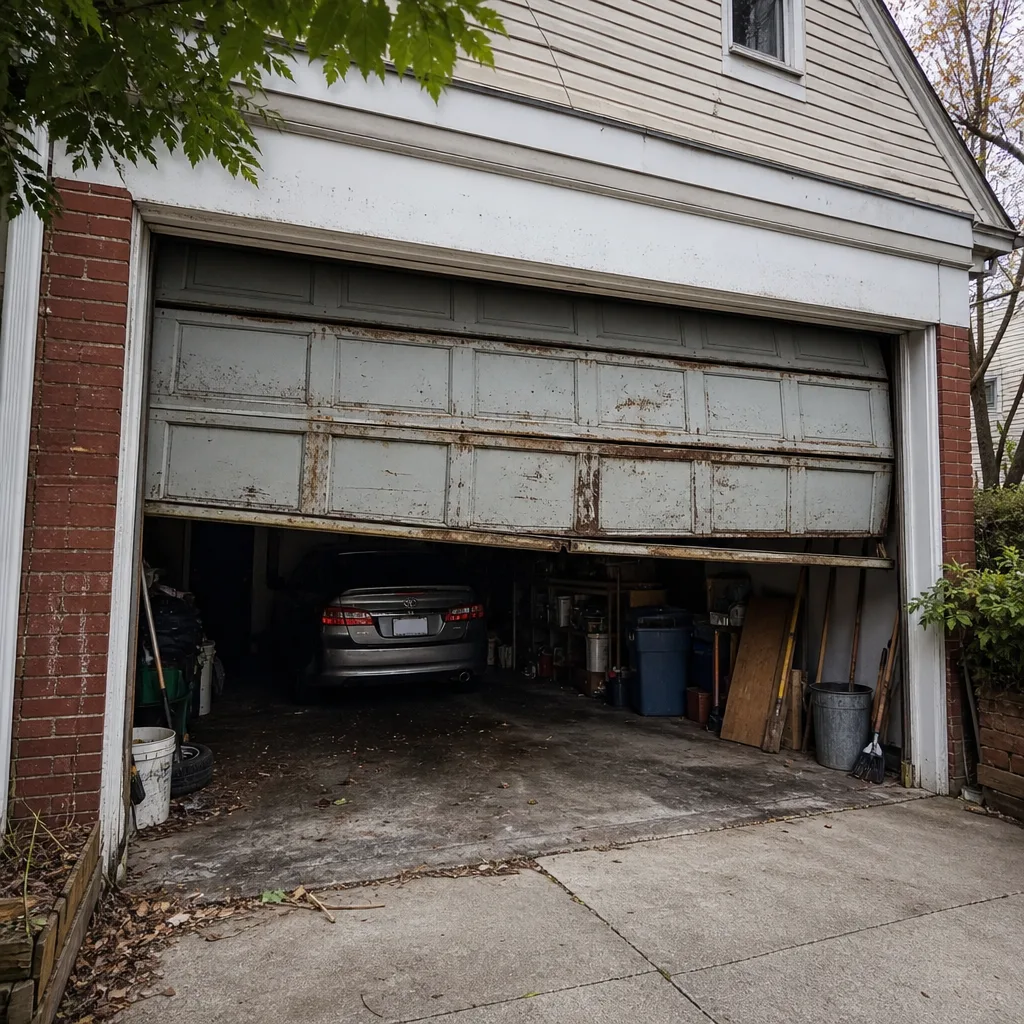 Before
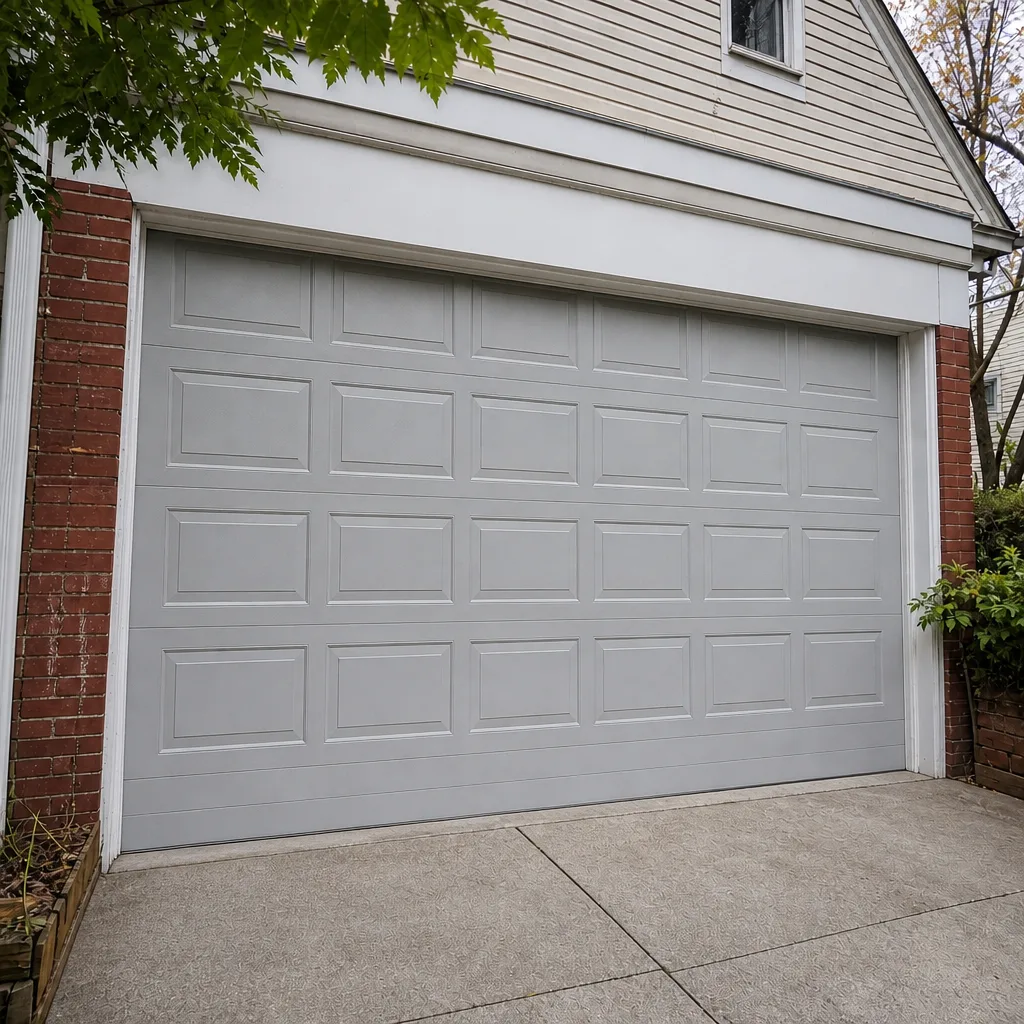 After
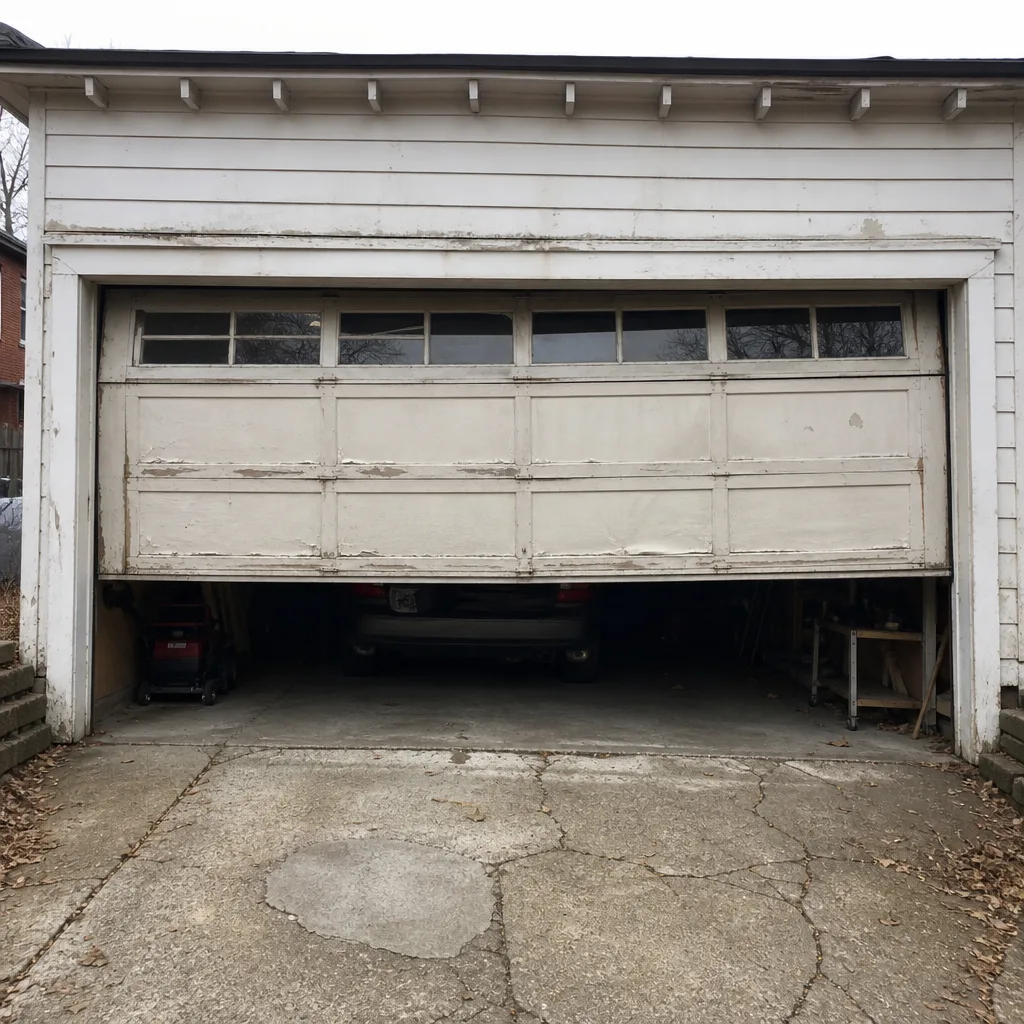 Before
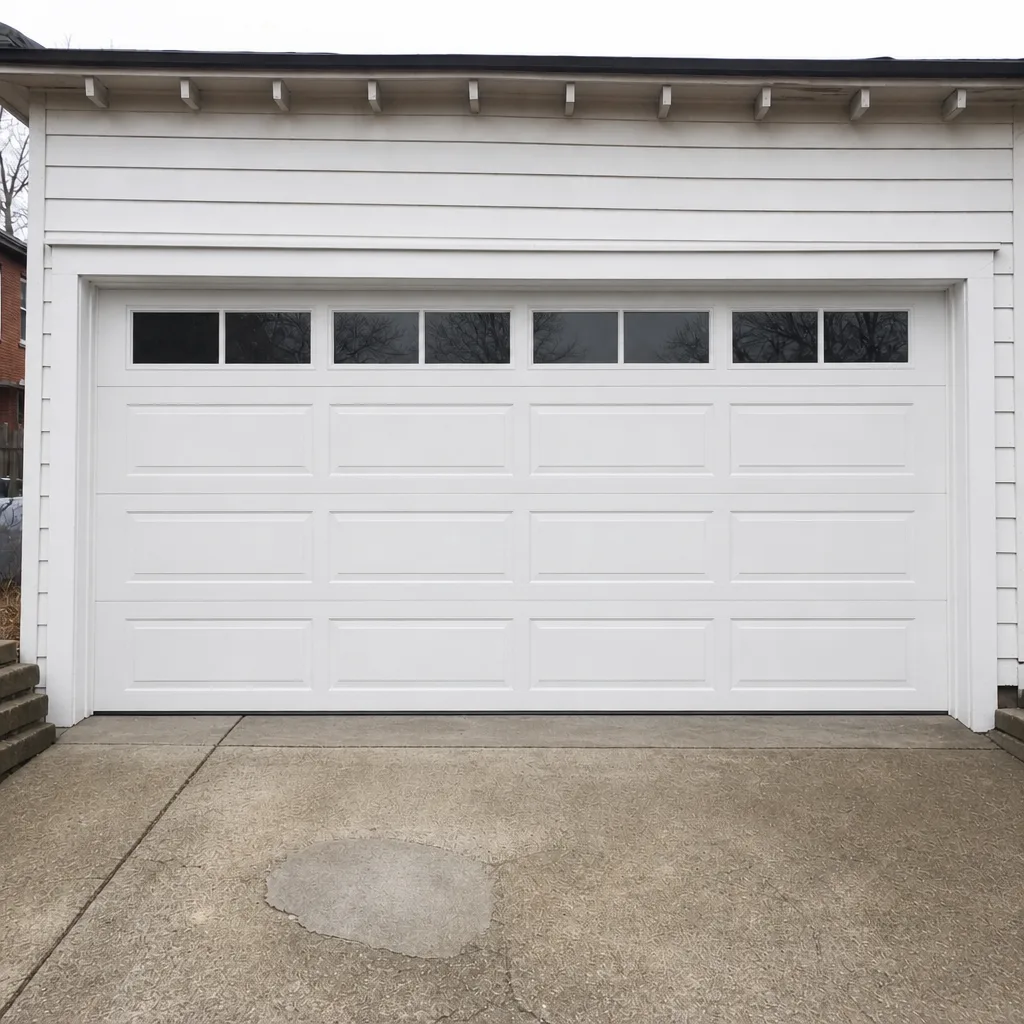 After
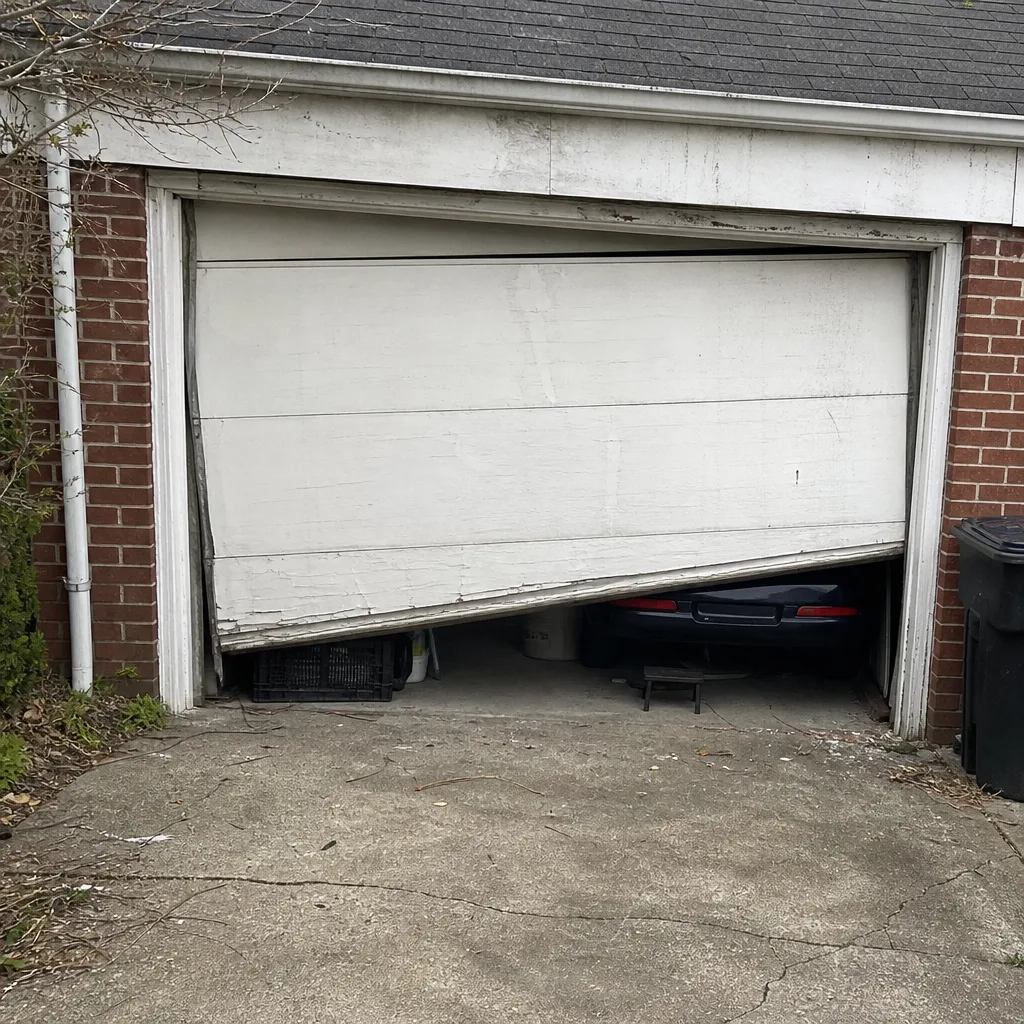 Before
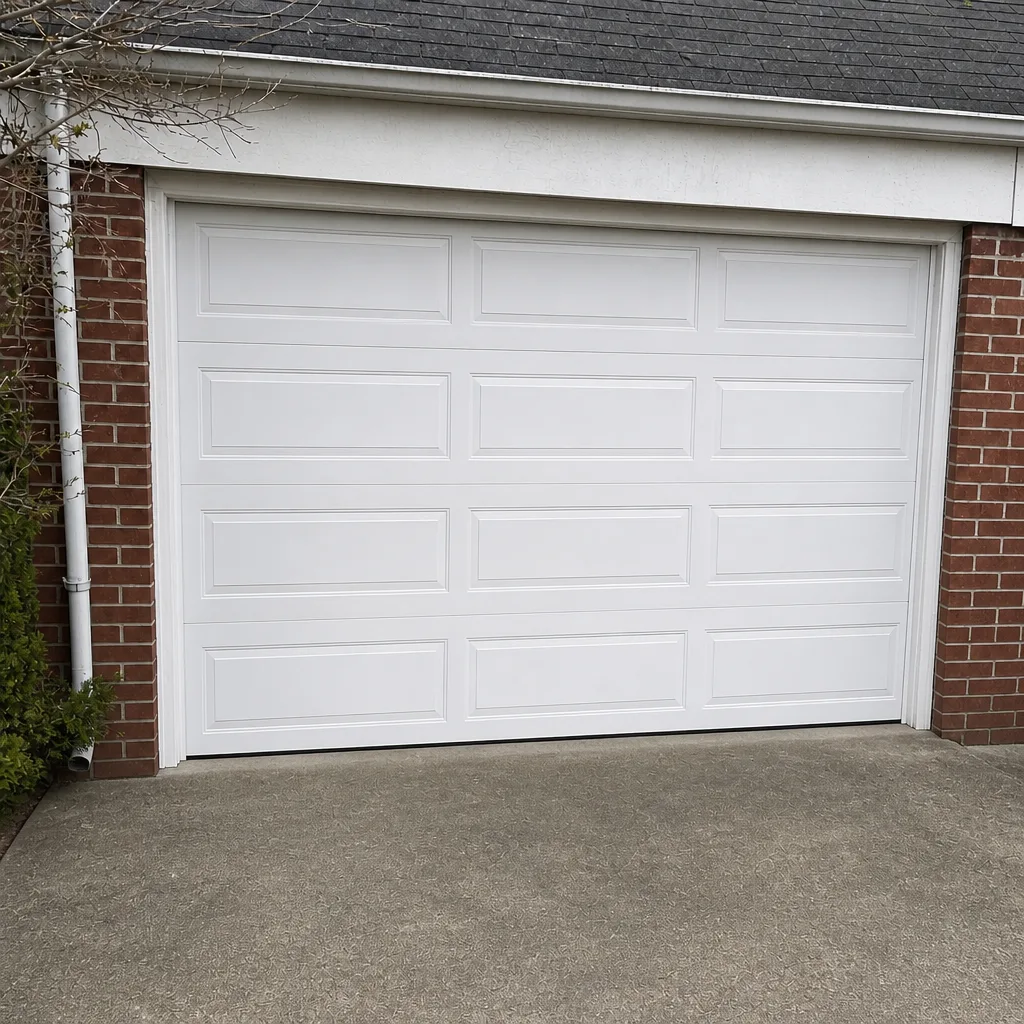 After
Frequently Asked Questions
No. Torsion and extension spring replacement is not a DIY job because the spring stores the entire weight of the door in tension and releases instantly if it lets go. Winding a spring requires the correct spring matched to door weight, proper winding bars, and two people. Call (833) 509-3461 for a free estimate on spring replacement.
Safety sensor alignment, bottom seal replacement, roller and hinge replacement, remote and keypad programming, and basic lubrication are all reasonable DIY repairs. All of these keep the door at rest and the springs wound but untouched. Once spring tension, cables, or the motor are involved, call a professional.
A professional torsion spring replacement is priced per spring, and most two-spring doors get a matched pair replaced together, so a pair costs about twice a single spring. We confirm the exact price in a written estimate before any work starts, and that written estimate sets the final price. Call (833) 509-3461 for a free estimate.
Repair work can often be handled the same day, depending on what’s needed and access to the garage. Emergency service is available when a door is stuck open or completely inoperable and access or security can’t wait. New door installation is different: it’s measured and scheduled, so call (833) 509-3461 and we’ll give you a free measure and a written price.
A remote or keypad that works intermittently usually has a programming or signal issue, not a dead battery. On LiftMaster and Chamberlain openers, the learn button listens for only a short window during pairing, and on myQ systems the opener needs a stable Wi-Fi signal at the motor. If reprogramming doesn’t fix it, the receiver board may be the fault. Call (833) 509-3461 and we’ll diagnose it.
The local pro is licensed and insured as their state requires. We connect you with independent local professionals, and every estimate is quoted and agreed before any work starts. Call (833) 509-3461 to book a free estimate.
The Bottom Line
The DIY-versus-pro line on a garage door isn’t about how handy you are. It’s about which tasks let you stop and correct course. Sensor alignment, seals, rollers, and remote programming do. Torsion springs, cables, and motor replacement don’t, because the stored force behind them leaves no room to recover a mistake. In a Petworth alley garage, add uneven pavement and tight overhead clearance to the risk on any task you do at height. Do the safe tasks yourself, call us for the rest, and ask for the written estimate before anything starts. Our technicians have up to 10 years of experience, and we work on the brand you already have.
Call Garage Door Repair Petworth at (833) 509-3461 for a free estimate on spring repair, cable work, opener replacement, or a new door. Estimates are free, the price is agreed before work begins, and when your door won’t move, we will.
Written by the team at Garage Door Repair Petworth.