Last updated November 21, 2026
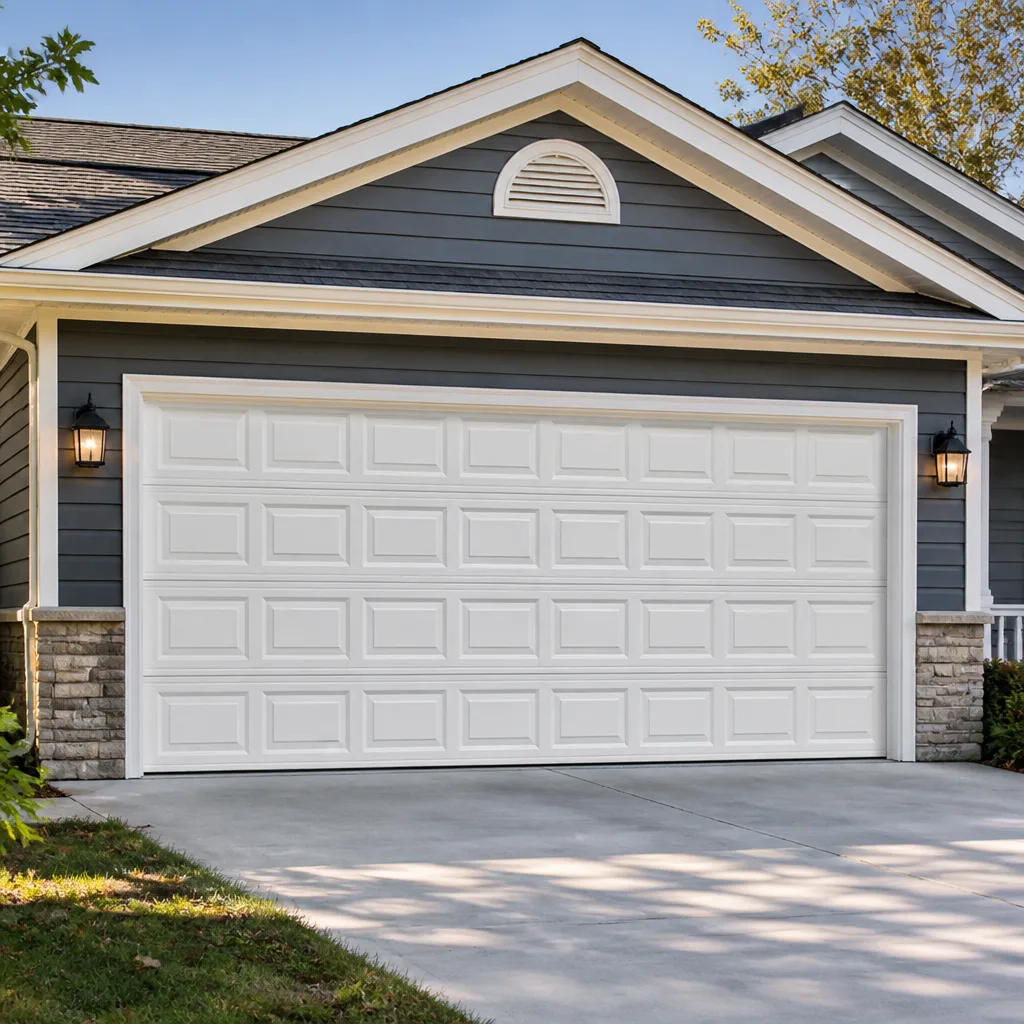 Raised-panel steel
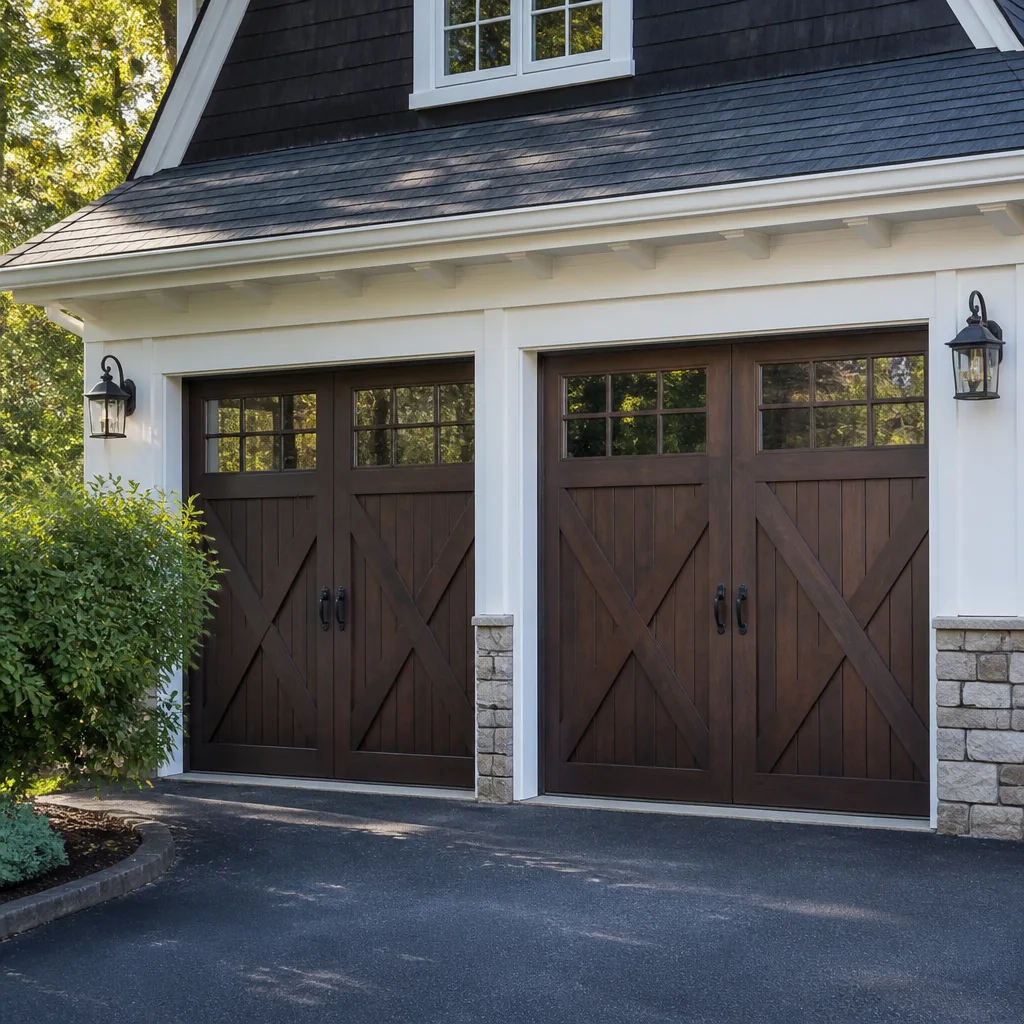 Carriage house
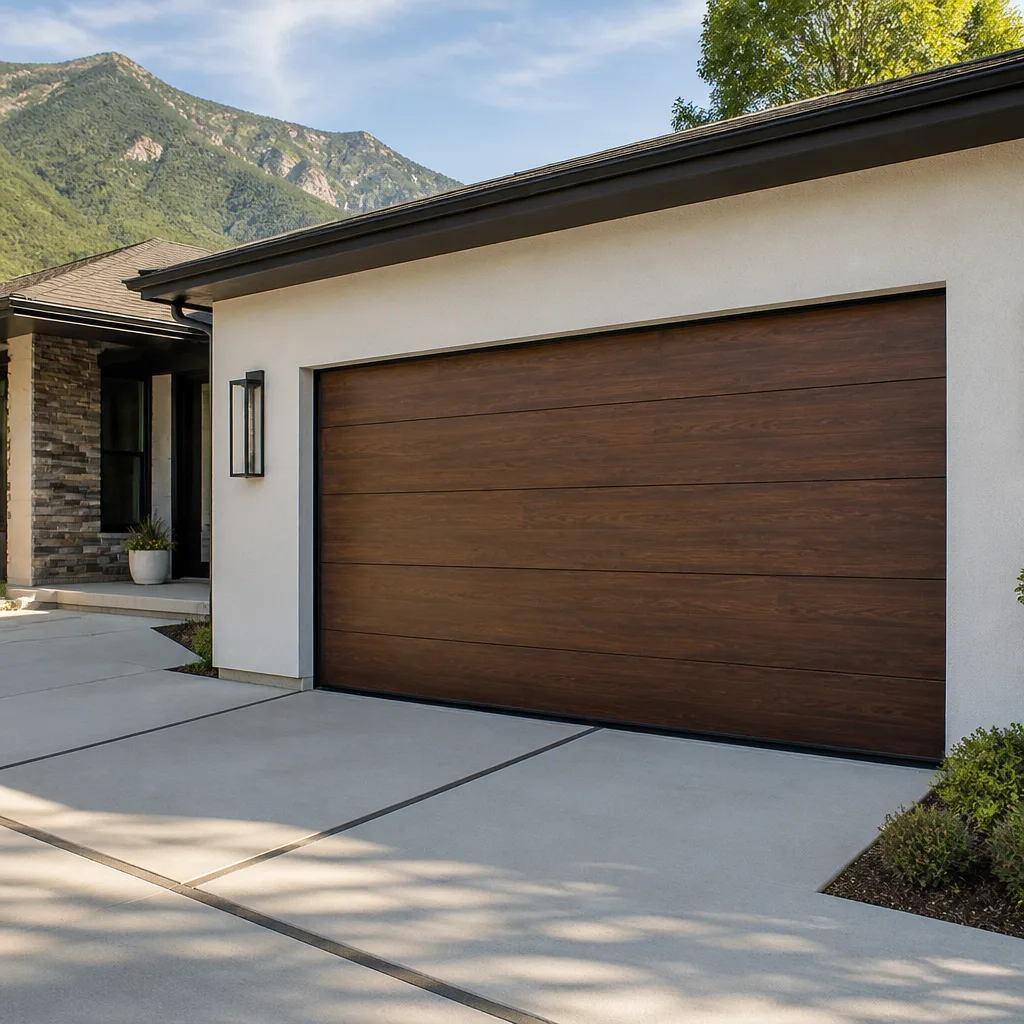 Modern flush
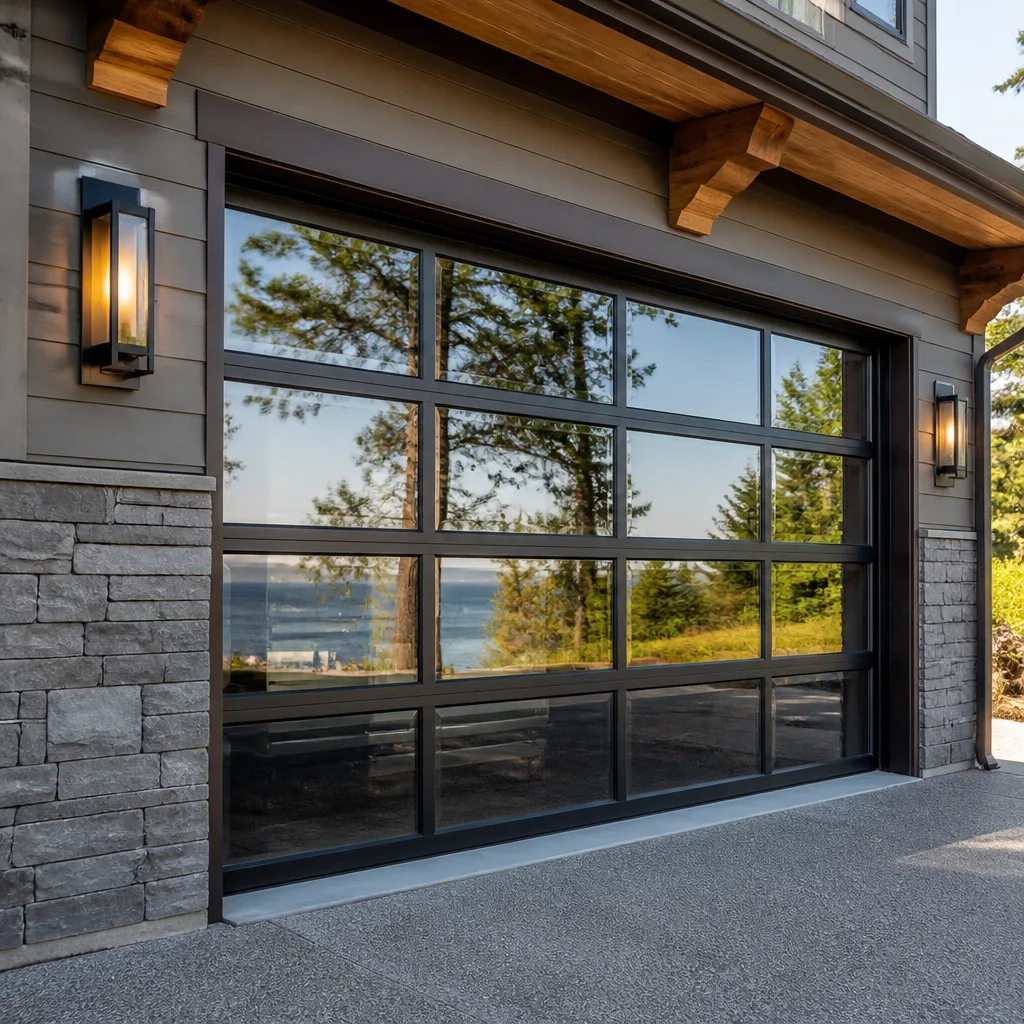 Full-view glass
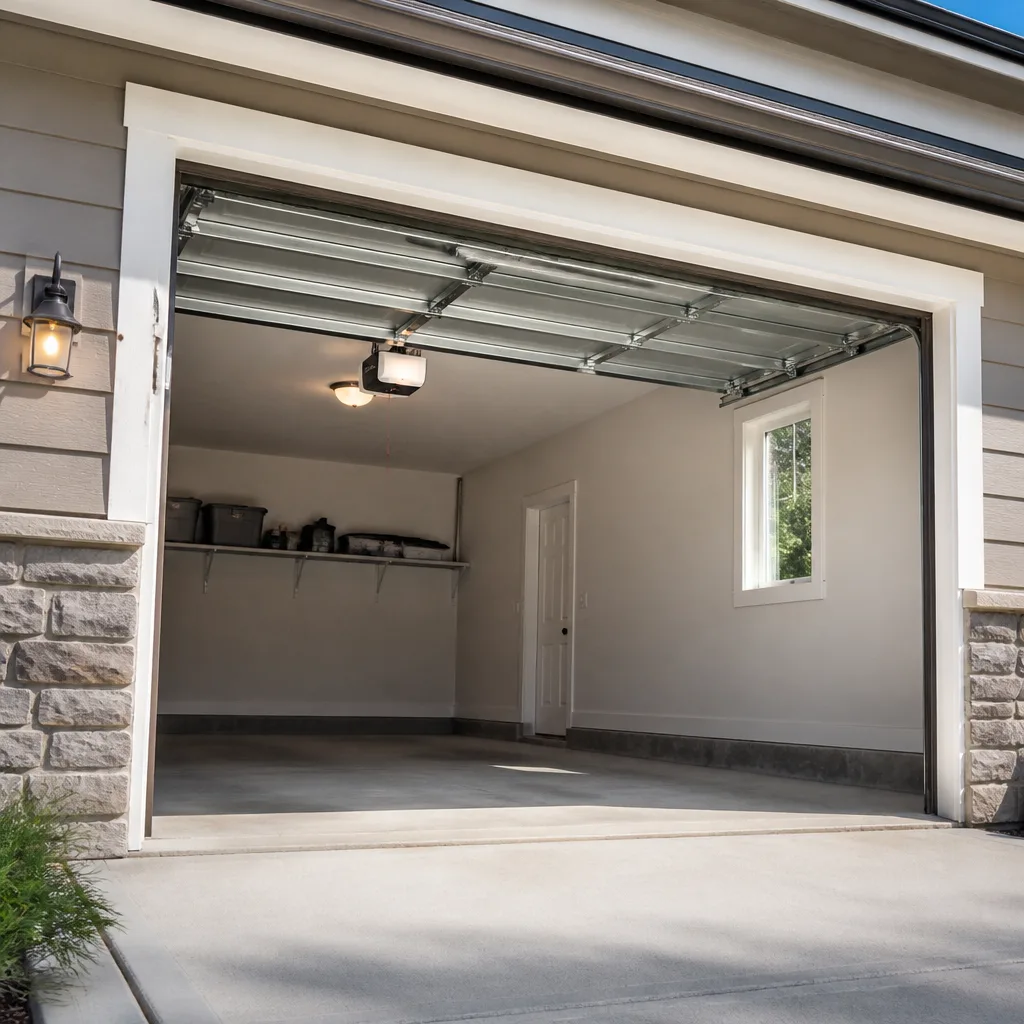 LiftMaster openers
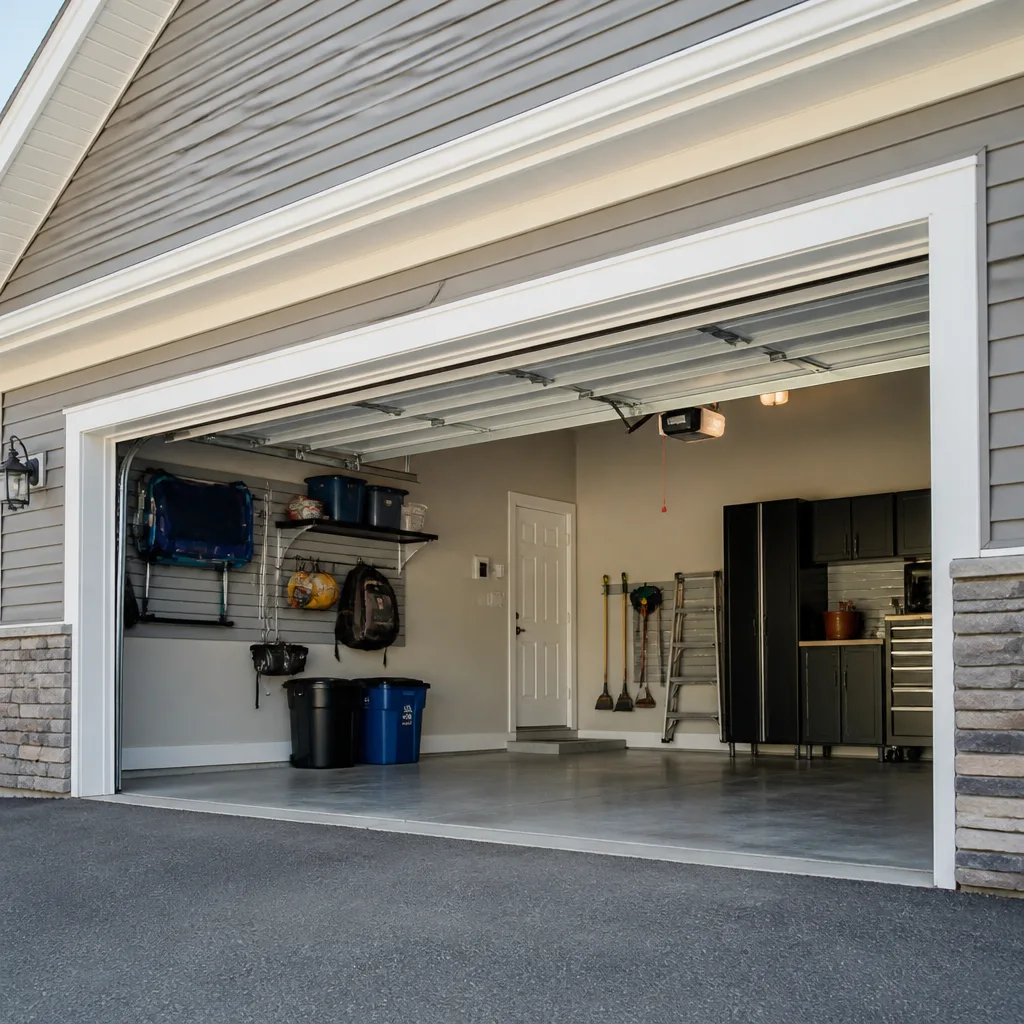 Chamberlain openers
Full 25-point door and opener safety check with every visit - springs, cables, rollers, tracks, and your LiftMaster or Chamberlain opener included
You get a price before we start. It does not change when the pro arrives.
Get your free estimateChoosing the Right Garage Door Brand: A Buyer’s Guide for Petworth
Clopay’s curb appeal wins in showrooms. But Clopay’s standard track systems want 10 to 12 inches of headroom, and a good share of Petworth’s detached garages don’t have it. The brand that photographs best isn’t always the brand that fits, and finding that out after the panels arrive is an expensive lesson. This guide sorts the major manufacturers by what actually matters in Petworth: low-headroom alley garages, unconditioned structures that punish cheap steel, opener pairings that respect older DC wiring, and local dealer support that still exists three years from now when something fails.
Quick Answer
For most Petworth homeowners, the right garage door brand is the one whose standard hardware fits your actual opening dimensions and whose local dealer network can service a failed panel without shipping it back to a factory. In practice that means measuring headroom and side room first, then choosing among Clopay, Amarr, Wayne Dalton, and similar manufacturers, and pairing the door with a LiftMaster or Chamberlain opener that matches your home’s electrical setup. Aesthetics and national marketing claims come last, not first.
Styles & brands we work with
- Raised-panel steel
- Carriage house
- Modern flush
- Full-view glass
- LiftMaster openers
- Chamberlain openers
Table of Contents
- Why Petworth’s Garage Geometry Changes the Brand Decision
- Headroom and Side Room Requirements by Brand
- Why Wayne Dalton’s Torquemaster System Suits Alley Garages
- LiftMaster Versus Chamberlain: What the Brand Relationship Means for You
- Steel Gauge and Insulation in Unconditioned Petworth Garages
- How to Judge a Brand’s Local Dealer Network, Not Just Its Warranty
- A Step-by-Step Way to Choose Your Brand
- Common Mistakes to Avoid
Why Petworth’s Garage Geometry Changes the Brand Decision
Petworth is a neighborhood of rowhouses and detached garages reached by alleys, and most of those garages were built for cars that were smaller and roofs that were lower than today’s. When we walk a Petworth property, the conversation rarely starts with color or window design. It starts with a tape measure and three numbers: headroom above the door, side room beside the track, and backroom behind the door.
Those dimensions decide which brands are even on the table. A manufacturer’s catalog assumes a standard opening, and standard openings are generous. Petworth’s alley garages are not. A garage that fits a modern SUV may still have eight inches of clearance between the top of the door and the ceiling joists, and that single figure eliminates some of the most popular residential door lines before price enters the conversation.
There’s a second constraint that doesn’t show up in any brochure: the alley itself. Many Petworth garages sit at the end of a narrow passage with limited turning space. That affects how a new door gets delivered and positioned, which in turn affects whether a sectional door arrives assembled and manageable or as a stack of panels that need careful handling on site. It’s one reason we ask about access before we quote a brand.
And there’s a third factor specific to this neighborhood: age. A lot of Petworth garage structures have settled or shifted over the decades. A door that’s perfectly square in a showroom can bind in an opening that’s an inch out of plumb. Brands that offer adjustable track and hardware tolerances handle that reality far better than rigid, fixed-configuration systems. When we look at a door for a Petworth home, we’re evaluating the brand against the building, not against a photograph.
Headroom and Side Room Requirements by Brand
Standard sectional doors typically need about 12 inches of headroom for a conventional torsion setup and roughly 10 inches of side room for the track, though low-headroom and high-lift configurations exist for tighter spaces. Before you compare brands on price, get these numbers from your own garage, because they’ll narrow the field faster than any review.
Here’s how the common configurations break down, in general terms:
- Standard-lift torsion: The default for most residential installs. Needs the most headroom, usually 12 inches or so, and roughly 10 inches of side room. Clopay, Amarr, and Wayne Dalton all build to this pattern.
- Low-headroom (low-lift) torsion: Uses a different drum and cable arrangement to fit spaces with about 8 to 10 inches of headroom. Not every brand catalogs it, and not every dealer stocks the parts.
- Rear-mount torsion or side-mount: Moves the spring assembly to the back or side of the track. Useful when the ceiling is right above the door but there’s space behind.
- Roll-up doors: Coil above the opening and need very little headroom, but they change the look and the insulation profile. Rarely the right call for a Petworth home unless space truly rules out everything else.
Clopay publishes headroom requirements per model, and its standard track systems assume a conventional 12-inch setup. Wayne Dalton’s product line includes configurations built around tighter spaces, which is one reason it comes up often in Petworth. Amarr sits somewhere in the middle: a solid range of standard doors with some low-headroom flexibility depending on the model.
The practical upshot: call out your headroom number when you request a quote. If it’s under 10 inches, say so up front. It saves everyone a round of pricing on doors that were never going to fit. When we handle garage door installation, measuring the opening is the first thing we do, before any brand recommendation.
Why Wayne Dalton’s Torquemaster System Suits Alley Garages
Wayne Dalton’s Torquemaster system houses the torsion spring inside a sealed tube mounted on the header above the door, rather than exposing a bare spring and cable on a shaft. For a Petworth alley garage, that enclosure matters more than it does in a suburban driveway.
Three reasons:
- Physical protection. An exposed torsion spring sits at head height in an alley-accessed garage. It’s the most commonly bumped and jostled component in the whole door system, and it’s also the part under the most tension. A sealed tube absorbs that incidental contact.
- Fewer pinch and snag points. The enclosed design reduces exposed moving hardware, which matters in a garage where you’re squeezing past bicycles, bins, and lawn equipment.
- Spring exposure and vandalism. Petworth’s alley garages face the alley, not the street. A door whose spring assembly is fully enclosed is harder to tamper with and offers less visual temptation than a bare mechanism. That’s a real consideration for a structure that opens onto a shared passage rather than a private driveway.
There’s a safety dimension too, and it’s worth stating plainly. Torsion springs store enormous energy. Even an enclosed system carries that tension, and anyone who tries to adjust, remove, or “tighten” a spring without the right tools and training risks serious injury. The Torquemaster enclosure makes the assembly more resistant to casual contact, but it does not make spring work a do-it-yourself job. We treat spring work as a specialty, which is why garage door spring repair is one of our five core services rather than an add-on.
Torquemaster isn’t right for every door. It’s a proprietary system, so service and parts depend on having a dealer familiar with it. But for a low-headroom alley garage in Petworth, it’s a configuration worth asking about specifically.
LiftMaster Versus Chamberlain: What the Brand Relationship Means for You
LiftMaster and Chamberlain are built by the same parent company, which is why their internal engineering, safety reversals, and much of the accessory ecosystem share a common foundation. The differences show up in distribution and dealer support, not in whether the opener will physically work. In practice, both are among the most widely installed residential openers in American homes, and both pair easily with the doors we install.
What matters for Petworth specifically is the electrical side.
- Older wiring. Many Petworth homes have garage circuits that weren’t designed for today’s opener expectations. A garage door opener doesn’t draw much, but it needs a dedicated, grounded circuit and, in most cases, a light fixture nearby. If the garage’s only outlet is an ungrounded two-prong, that’s a conversation to have before the opener goes up.
- myQ and smart home control. LiftMaster and Chamberlain both use the myQ platform for phone-based opening, closing, and status checks. In a Petworth rowhouse where you can’t always see the garage from inside, that status check is more useful than it sounds. You’ll want to confirm that your home’s Wi-Fi reaches the garage; alley garages often sit far enough from the house that the signal drops.
- Warranty service. Because the two brands share manufacturing, warranty coverage and dealer support are broadly comparable. What differs is which opener models a given dealer carries and can service quickly.
The pairing question cuts both ways: a good door on a failing opener still won’t open. If your current opener is a LiftMaster, a Chamberlain, or a Genie or Craftsman unit, keeping the brand consistent makes future garage door opener repair simpler because parts and procedures stay familiar. We work on all four, so you don’t need to replace a perfectly good opener just to match a new door.
Steel Gauge and Insulation in Unconditioned Petworth Garages
Most Petworth detached garages are unconditioned spaces. That simple fact should shape your brand choice more than any color swatch. In a structure without heat or air conditioning, the door has to handle summer humidity and winter cold cycling back and forth, often while sitting in direct sun for part of the day.
Two specifications carry the weight here: steel gauge and insulation.
Steel gauge. Lower gauge numbers mean thicker steel. A 24-gauge door is noticeably sturdier than a 27-gauge door of the same design, and sturdier steel holds its shape better through the thermal cycling an unconditioned garage puts it through. It also resists the small dents that alley life produces. The thinner the steel, the more the door sections flex, and flexing over time leads to squeaks, binding, and eventually loose hardware.
Insulation. Insulation in an unconditioned garage won’t keep the garage warm the way it would in a conditioned space. What it does is slow the temperature swings that stress the door, reduce condensation on cold mornings, and quiet the door as it moves. Insulated doors from Clopay, Amarr, and Wayne Dalton are all widely available; the differences come down to how the insulation is bonded to the panel and whether the panel faces are finished on both sides. A door with insulation bonded into both faces holds up better than one with a batt or loose panel tucked inside.
The other thing insulation does is affect longevity. Every cycle of expansion and contraction is a small stress on the door section, its hinges, and its fasteners. A door that swings less in temperature tends to last longer, and that’s a durability question, not just a comfort one.
If you’re comparing brands on steel thickness and insulation, the right move is to ask for the actual gauge and insulation specification for each model you’re considering, side by side. A salesperson who can’t produce that number isn’t giving you enough to decide on.
How to Judge a Brand’s Local Dealer Network, Not Just Its Warranty
A manufacturer warranty that requires shipping panels back to the factory is functionally useless for a storm-damaged door. What matters is whether there’s a local professional who can source replacements and complete the work without turning a week-long disruption into a month-long one.
Here’s how to evaluate a brand’s local support before you commit:
- Ask who services the brand in Petworth. Not nationally – locally. If the answer is vague, the brand’s local support is thin regardless of what its warranty paperwork says.
- Ask about parts availability for three-year-old models. A brand that can’t supply a replacement panel for a door it sold a few years ago is a brand that will leave you with a mismatched door when something fails.
- Check the warranty for who performs the work. Warranties that depend on factory return shipping for a large, heavy component are the ones to be skeptical of. What you want is a brand whose dealer network can handle a repair or replacement locally.
- Ask about spring and opener parts. The door is only half the system. A brand whose local support only covers doors, not the openers that pair with them, puts you back at square one when the opener fails.
- Ask how the brand handles a changed opening. If your opening needs a different track configuration, does the brand’s local support accommodate that, or does the answer come only from a national call center?
We work with eight brands – LiftMaster, Chamberlain, Genie, Clopay, Amarr, Wayne Dalton, Craftsman, and Raynor – because that breadth is what makes local support credible. When we recommend a brand, we’re recommending one we can actually get parts for and service afterward. If a brand doesn’t fit that test, we’ll say so.
The same logic applies to what happens when a repair becomes a replacement. Our full-service range means you don’t need to find a second company mid-job, whether you’re scheduling new installation or a garage door repair.
A Step-by-Step Way to Choose Your Brand
Here’s the sequence we use when evaluating a brand for a Petworth home. It takes the guesswork out of the showroom.
- Measure your opening. Headroom, side room, backroom, and the actual width and height of the doorway. Write the numbers down. This is the single most useful thing you’ll bring to a quote.
- Confirm whether you have a low-headroom situation. If your headroom is under 10 inches, your brand pool narrows immediately. Don’t waste time comparing doors that won’t fit.
- Decide whether you want an enclosed spring system. For an alley garage, Wayne Dalton’s Torquemaster is worth a hard look. For other setups, a conventional torsion setup may be the simpler and more serviceable route.
- Match steel gauge and insulation to your garage’s realities. Unconditioned detached garage in Petworth? Favor thicker steel and properly bonded insulation, even if it costs more up front.
- Choose an opener brand you can service locally. LiftMaster and Chamberlain are the most common; Genie and Craftsman are also widely supported. Pair the door and opener so service stays simple.
- Verify local parts and dealer support for the specific brand and model. Ask about a three-year-old model’s replacement panels.
- Get a written estimate before anything is ordered. The quote should name the brand, the model, the steel gauge, the insulation spec, and the opener pairing – not just a number.
- Confirm what happens after installation. Who services the door if something fails? How quickly can parts be sourced?
Run through those steps in order and the brand choice usually becomes obvious. When it doesn’t, it’s a sign that the local support question hasn’t been answered fully yet – and that’s the one worth pushing on before you sign.
Common Mistakes to Avoid
- Choosing on curb appeal alone. A door that photographs beautifully on a neighbor’s house may not fit your opening at all. Measure first, then admire the catalog.
- Ignoring headroom until the door arrives. A Petworth garage with 8 inches of headroom can’t take a standard 12-inch torsion setup no matter what the salesperson says about “adjustments.” Confirm the numbers before ordering.
- Skipping the steel gauge question. A thinner door feels fine at first, then starts to flex and bind. Ask for the actual gauge, side by side, for every model you’re comparing.
- Pairing a new door with a failing opener. The door system is one unit. If the opener is on its last legs, plan for it at the same time rather than a season later.
- Buying on national warranty terms without checking local parts access. A warranty that requires shipping a panel back to the factory doesn’t help you when your door is damaged and open to the weather.
- Overlooking the alley access. Delivery and installation of a new door depends on whether a truck can reach the garage and where the panels can be staged. Ask about it before scheduling.
- Assuming a rolled-up garage door is a simple fix. When a door is stuck open in an alley, the instinct is to force it. That’s how springs, cables, and openers get damaged further. Leave it to a trained professional, and call for emergency service if the garage can’t be secured.
See the difference
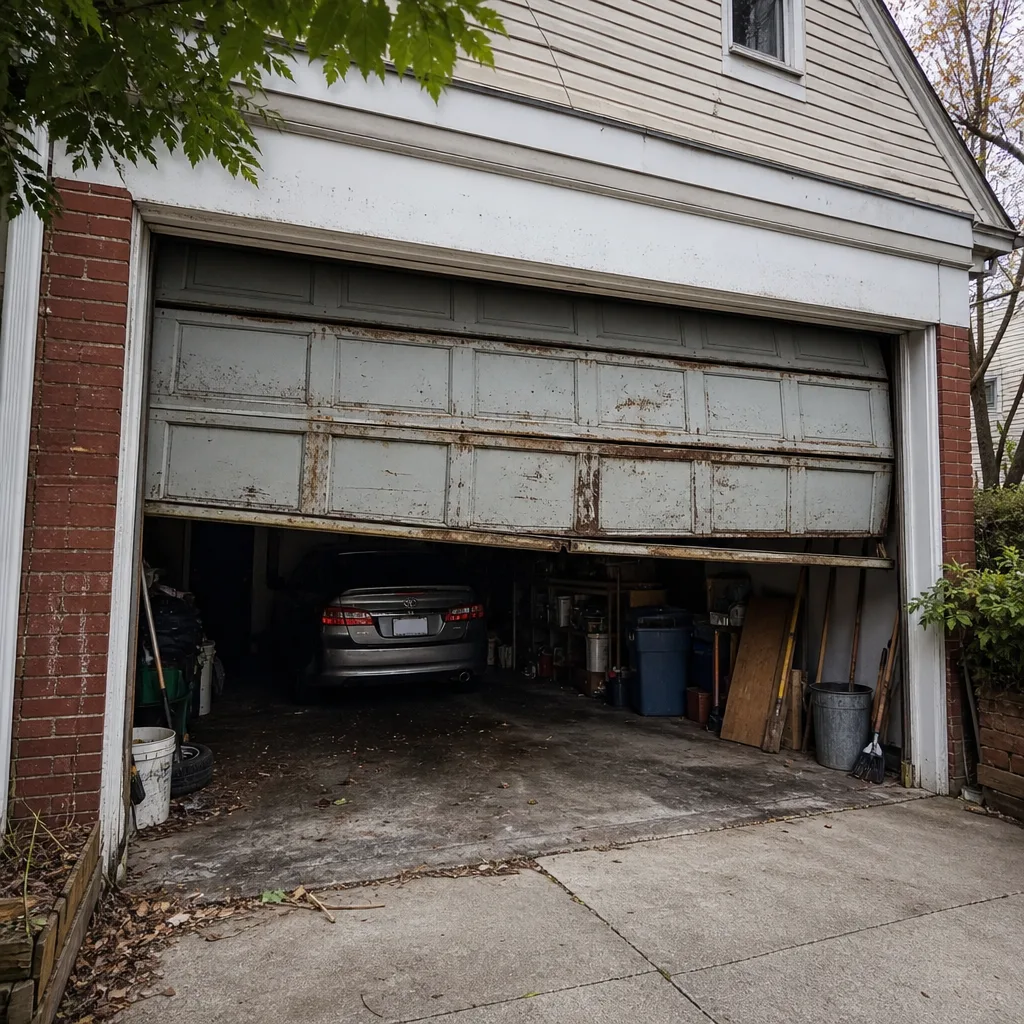 Before
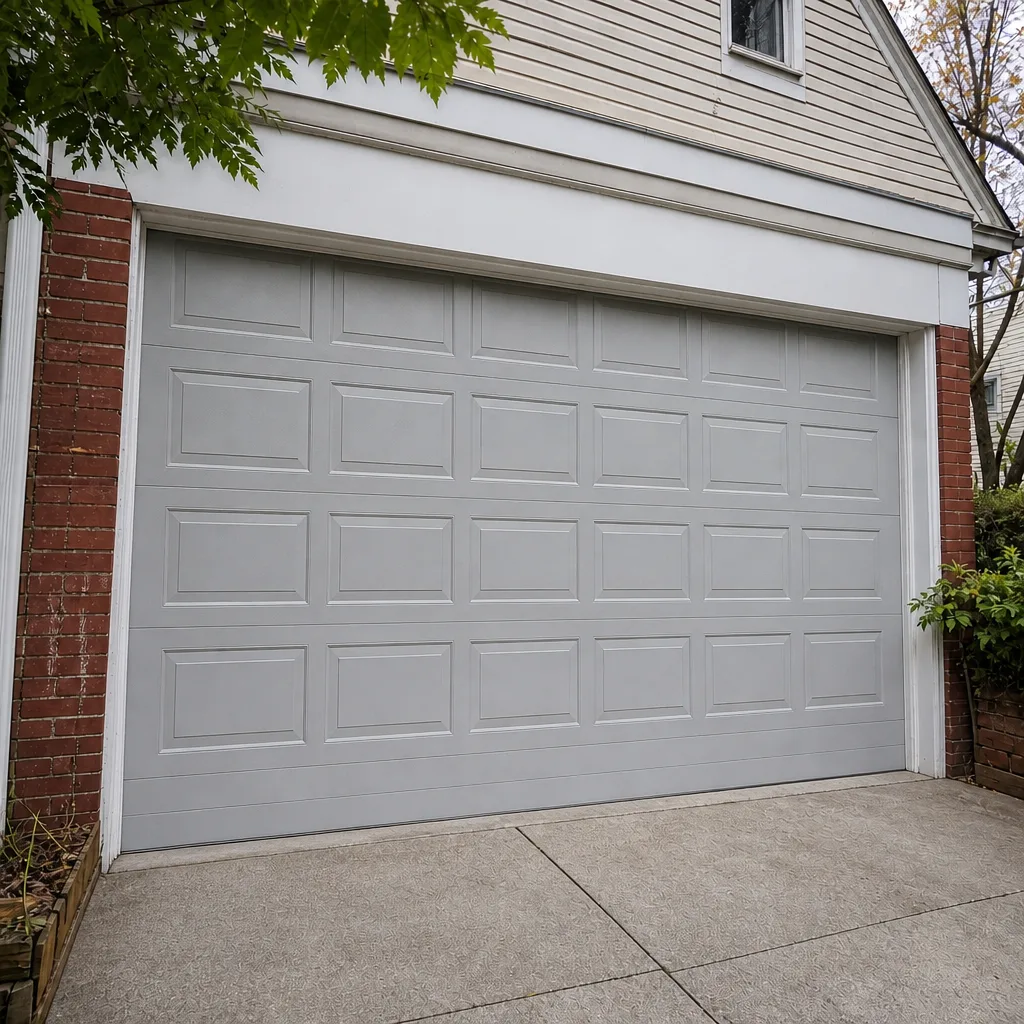 After
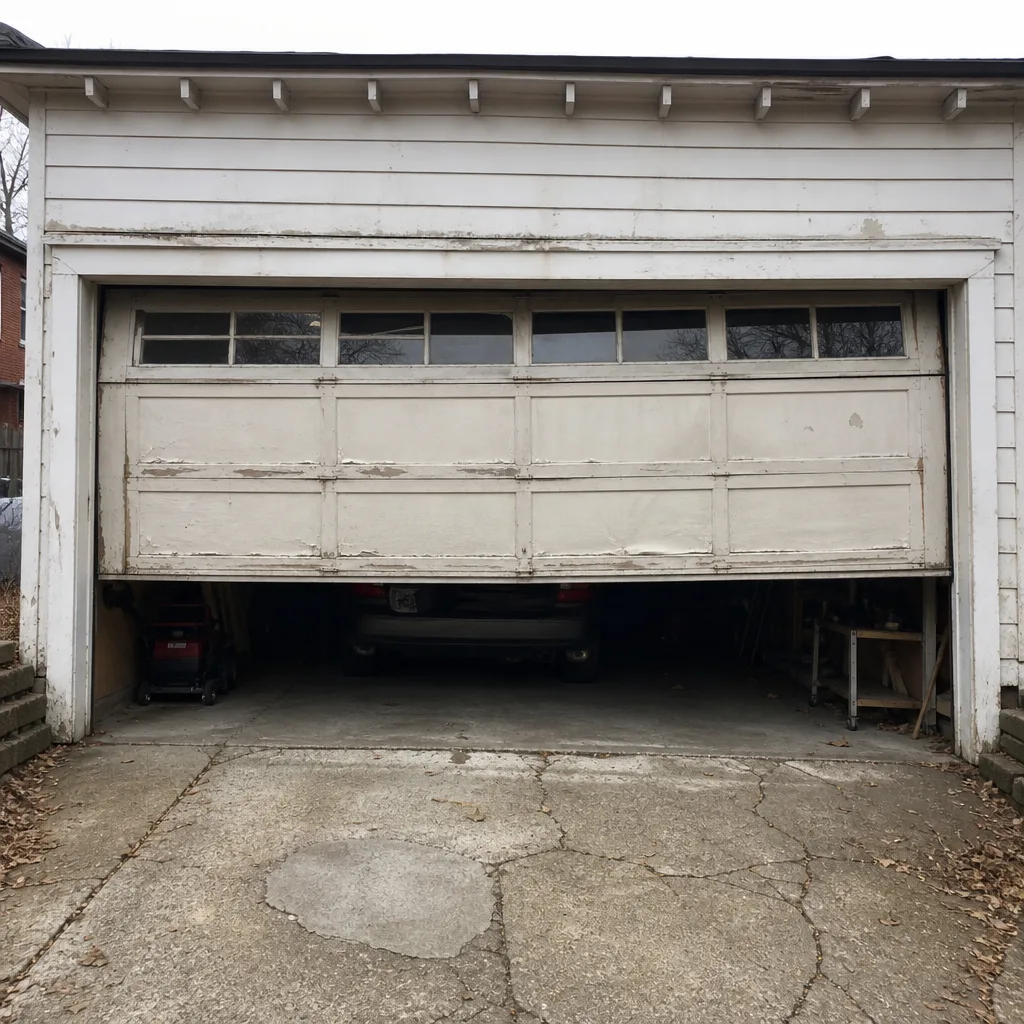 Before
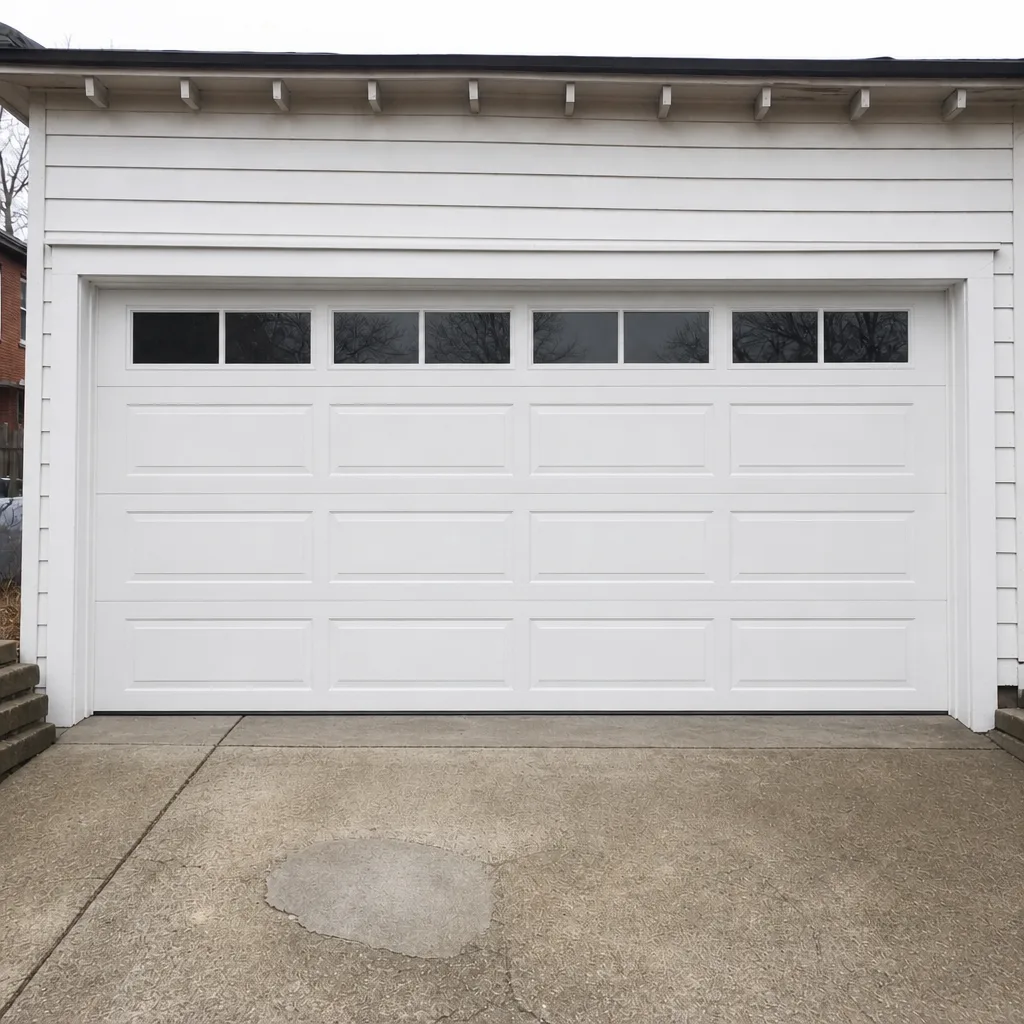 After
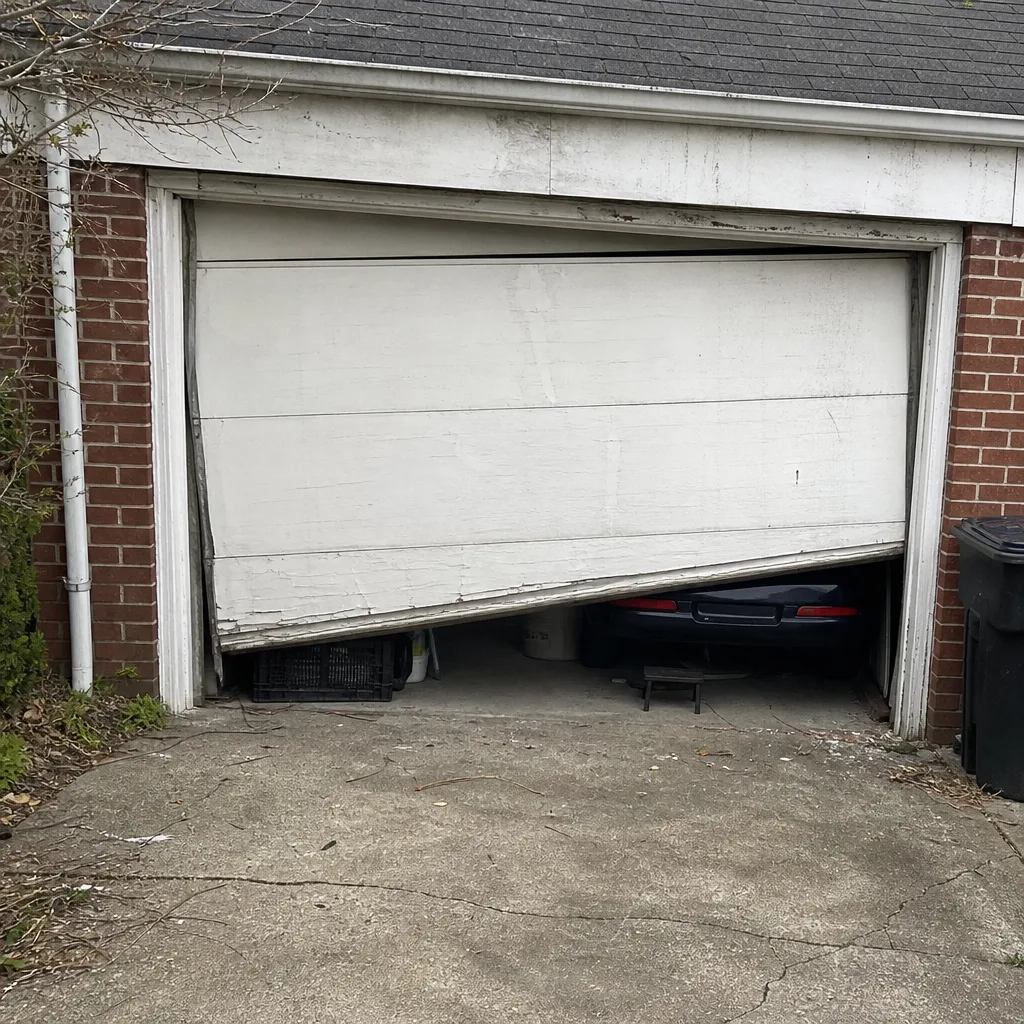 Before
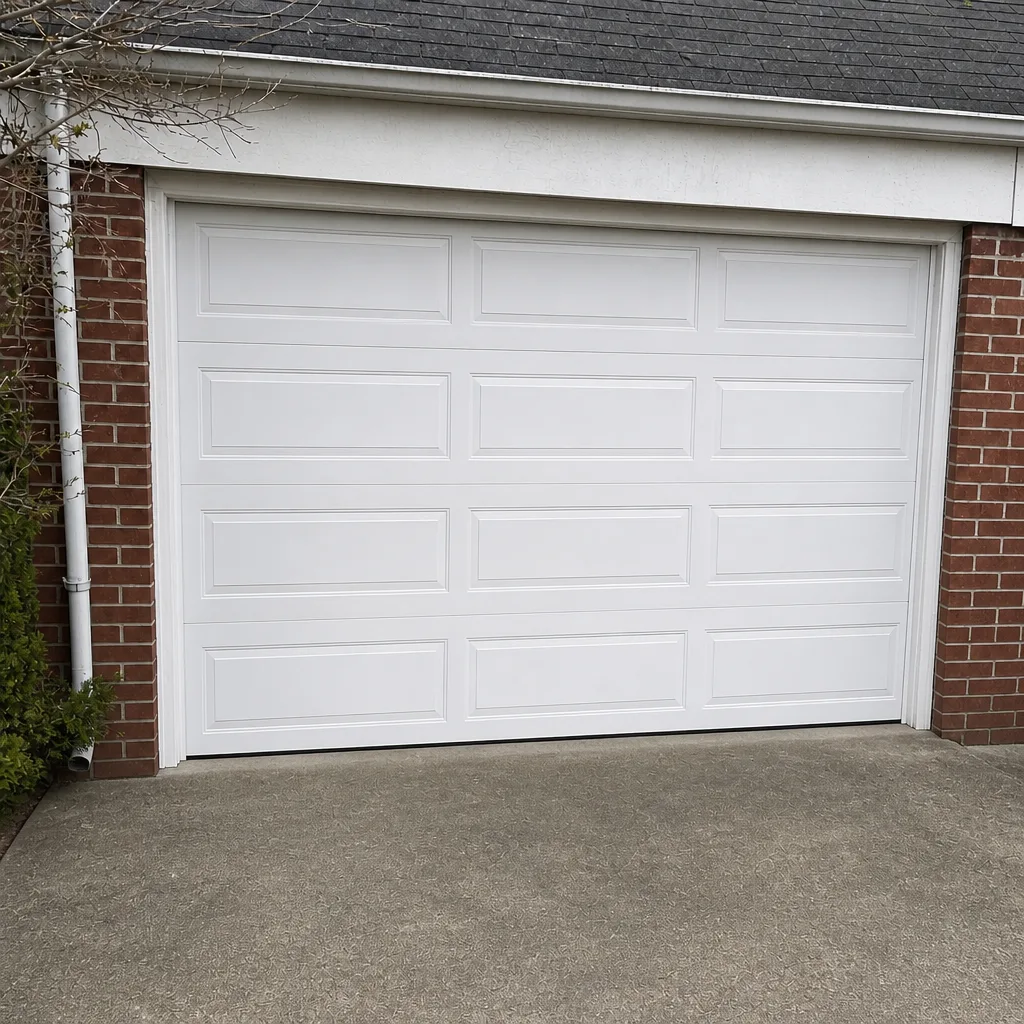 After
When to Call a Professional
Call a professional whenever the garage door stops moving or moves unevenly – a door that hangs crooked, jumps on its track, or won’t close fully is telling you something is off. Call immediately if a spring has broken, a cable has snapped, or the door is stuck open and the garage can’t be secured. Call before ordering a new door if you’re unsure about headroom or side room, because a measurement error there is the most expensive mistake on this list. And call before any attempt to adjust a torsion spring on your own. Springs are under extreme tension and can cause severe injury; that’s not a job to improvise.
Garage Door Repair Petworth offers free estimates in Petworth – call (833) 509-3461 to get a written quote before any work starts.
Frequently Asked Questions
Wayne Dalton is often the strongest fit for low-headroom alley garages because its product line includes configurations built around tight spaces and its Torquemaster system encloses the spring assembly, which suits an alley-accessible garage. Amarr and Clopay both offer low-headroom options on some models, so the answer depends on your actual measurements. Call (833) 509-3461 and we’ll help you match the brand to your opening.
Not necessarily a different brand, but a different configuration. Standard torsion setups typically need about 12 inches of headroom, and low-headroom versions run about 8 to 10 inches. Some brands catalog those configurations and some don’t, so the brand choice narrows once you know your number. Measure headroom before you shop, and call us if you’d like a hand confirming it.
Neither is clearly better; they’re built by the same parent company and share much of their engineering, so they perform similarly. The more useful question is which opener model fits your garage’s electrical setup and Wi-Fi reach. We service LiftMaster, Chamberlain, Genie, and Craftsman, so you can stay with the brand you already have. Call (833) 509-3461 for a free estimate on opener repair or pairing.
Yes, though not for the reason most people assume. Insulation won’t heat an unconditioned garage, but it slows temperature swings, reduces condensation, and quiets the door, and that slower cycling tends to extend the life of the door sections and hardware. Ask for the insulation spec of each model you’re comparing, not just the label.
Don’t force it. A stuck-open door is often a broken spring or a derailed track, and forcing it can damage cables, panels, and the opener. Call for emergency garage door service so the door can be made safe and the opening secured. We offer emergency service as a core offering; call (833) 509-3461 and we’ll get a technician out.
We can install doors from Clopay, Amarr, Wayne Dalton, and Raynor, and pair them with openers from LiftMaster, Chamberlain, Genie, or Craftsman. We work on the brand you already have, and if you’re choosing fresh, we’ll tell you which brands fit your opening and have solid local parts support. Call (833) 509-3461 for a free estimate.
The Bottom Line
Choosing a garage door brand in Petworth comes down to fit, steel, insulation, opener pairing, and local support – roughly in that order. Clopay’s showroom appeal is real, but a standard Clopay track system may not clear your headroom, and the most photogenic door in the catalog is worthless if it doesn’t fit. Measure your opening first. If your headroom is tight, look hard at Wayne Dalton and its enclosed Torquemaster system, which also suits the security realities of an alley-accessed garage. Favor thicker steel and properly bonded insulation for the temperature swings of an unconditioned space. Pair your door with a LiftMaster, Chamberlain, Genie, or Craftsman opener your local support can service, and verify the brand’s replacement-panel access for older models before you sign. The written estimate sets the final price, so get one before anything is ordered.
Contact
Garage Door Repair Petworth works on eight major garage door and opener brands, from Clopay and Wayne Dalton to LiftMaster and Chamberlain, and our technicians have up to 10 years of experience. We offer free estimates in Petworth and the surrounding area. When your door won’t move, we will. Call (833) 509-3461 for a free estimate, and the price you agree to before work starts is the price in the written quote.
Written by the team at Garage Door Repair Petworth.