Last updated November 21, 2026
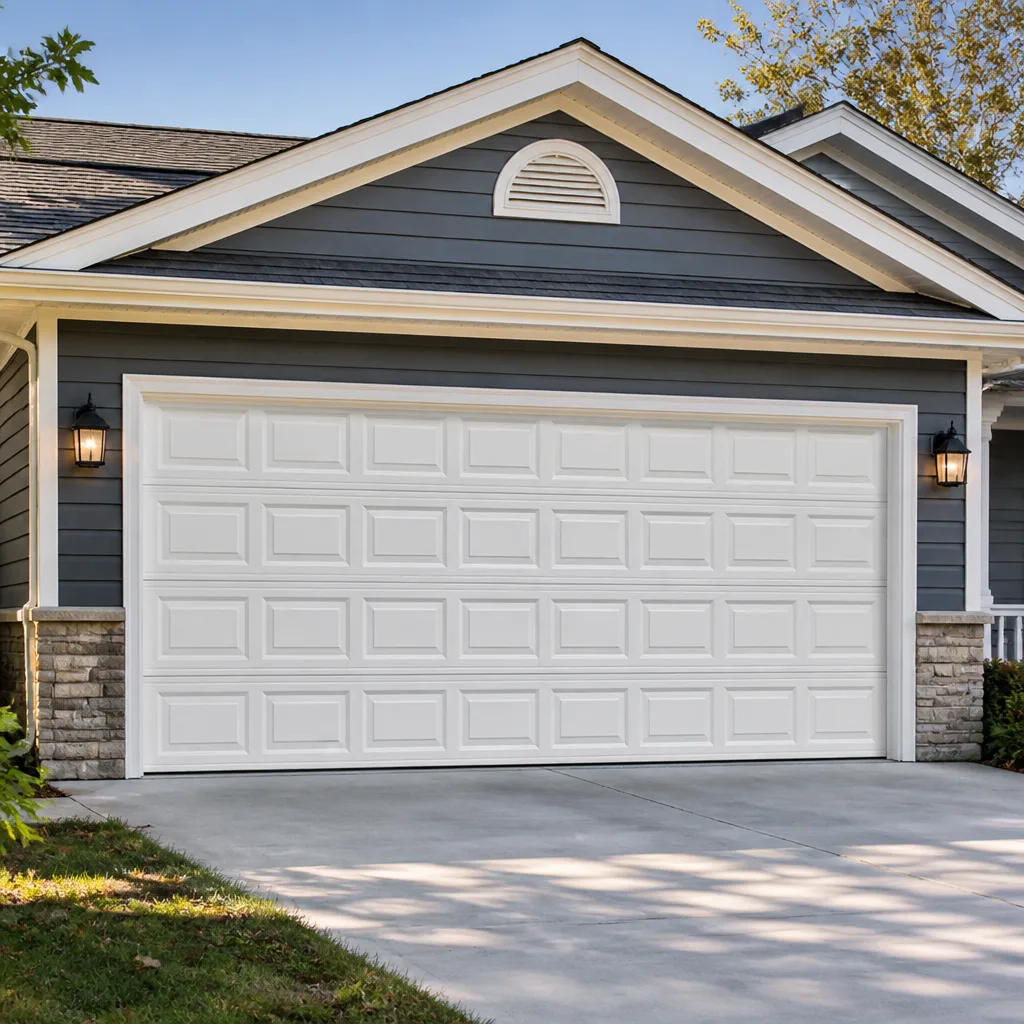 Raised-panel steel
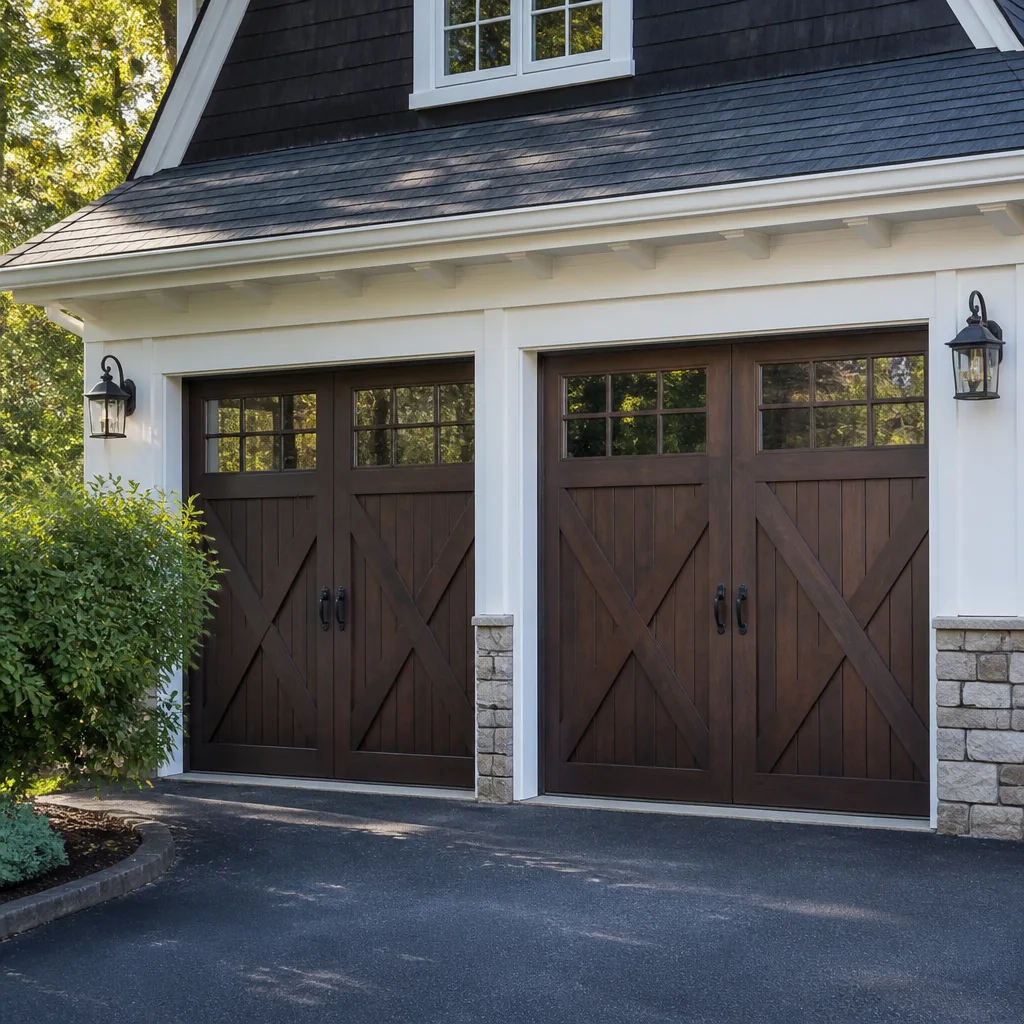 Carriage house
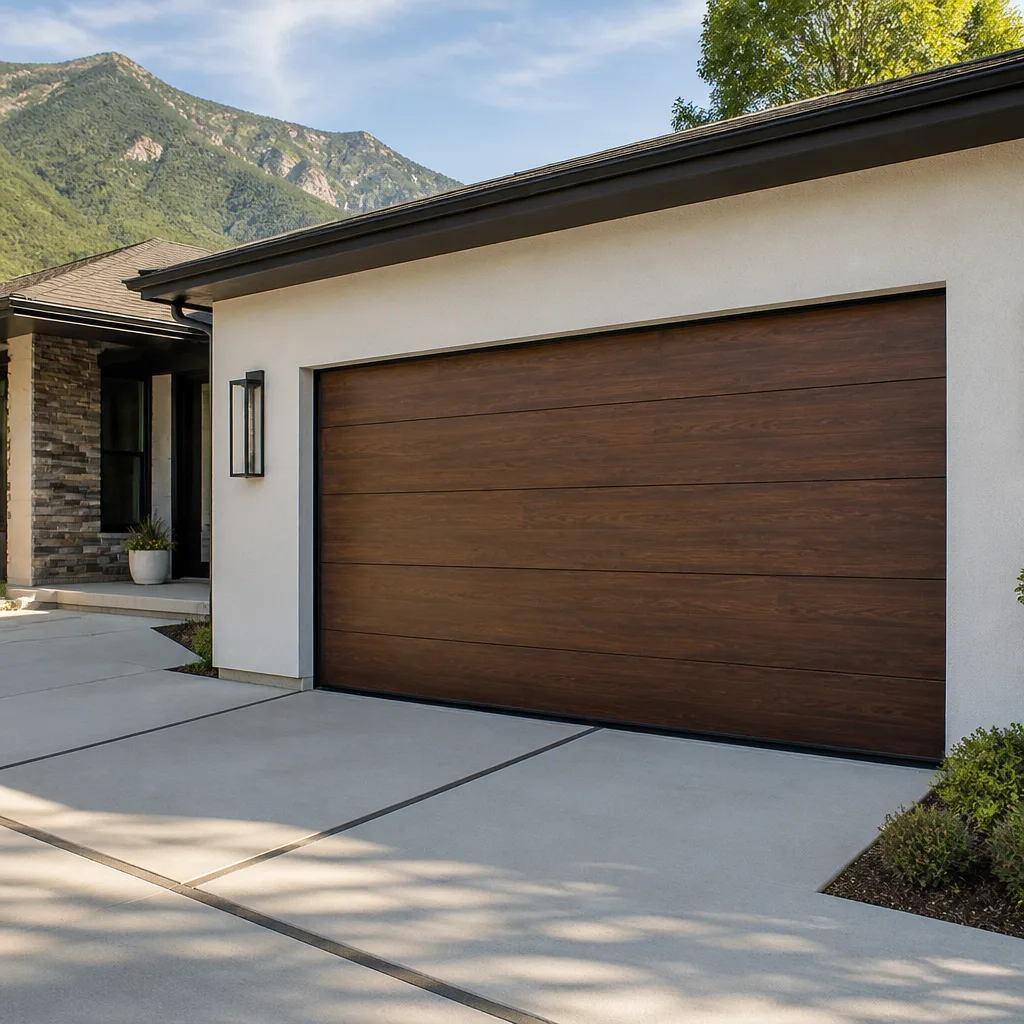 Modern flush
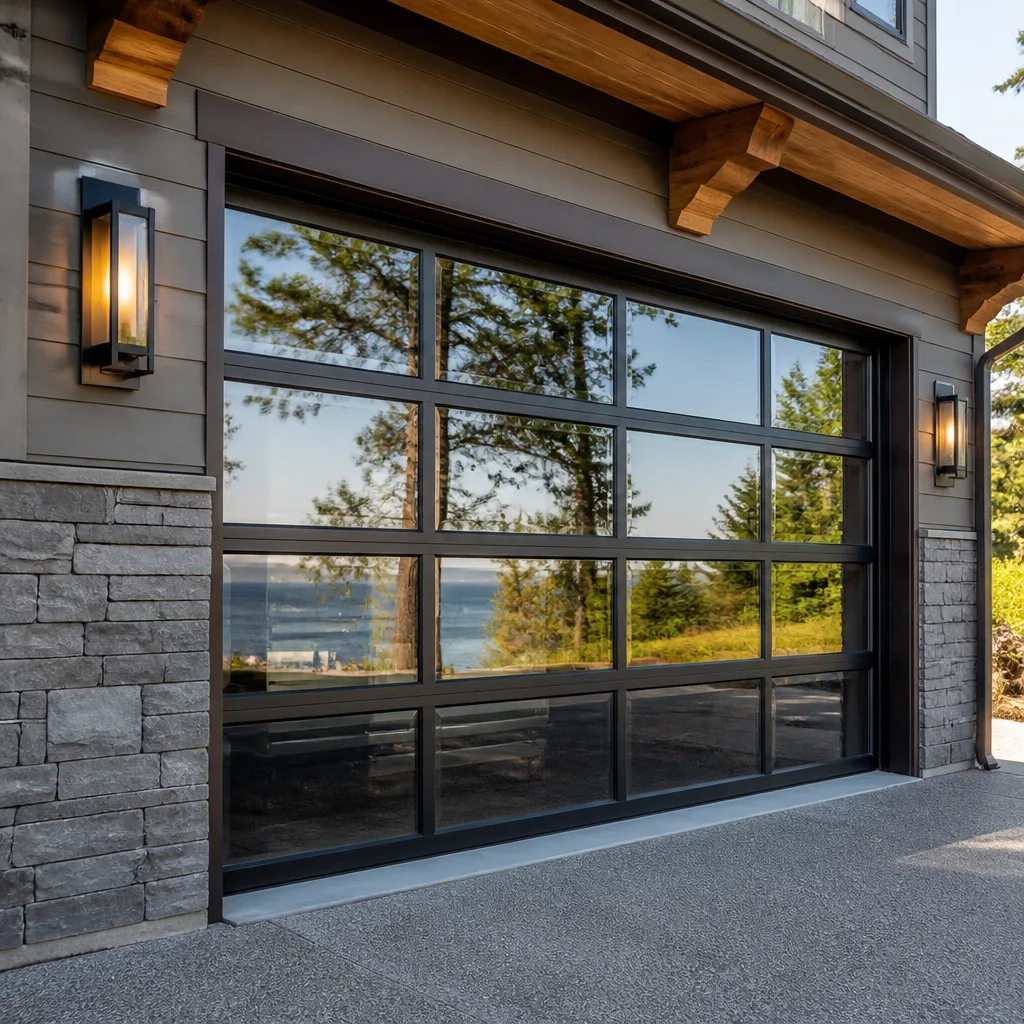 Full-view glass
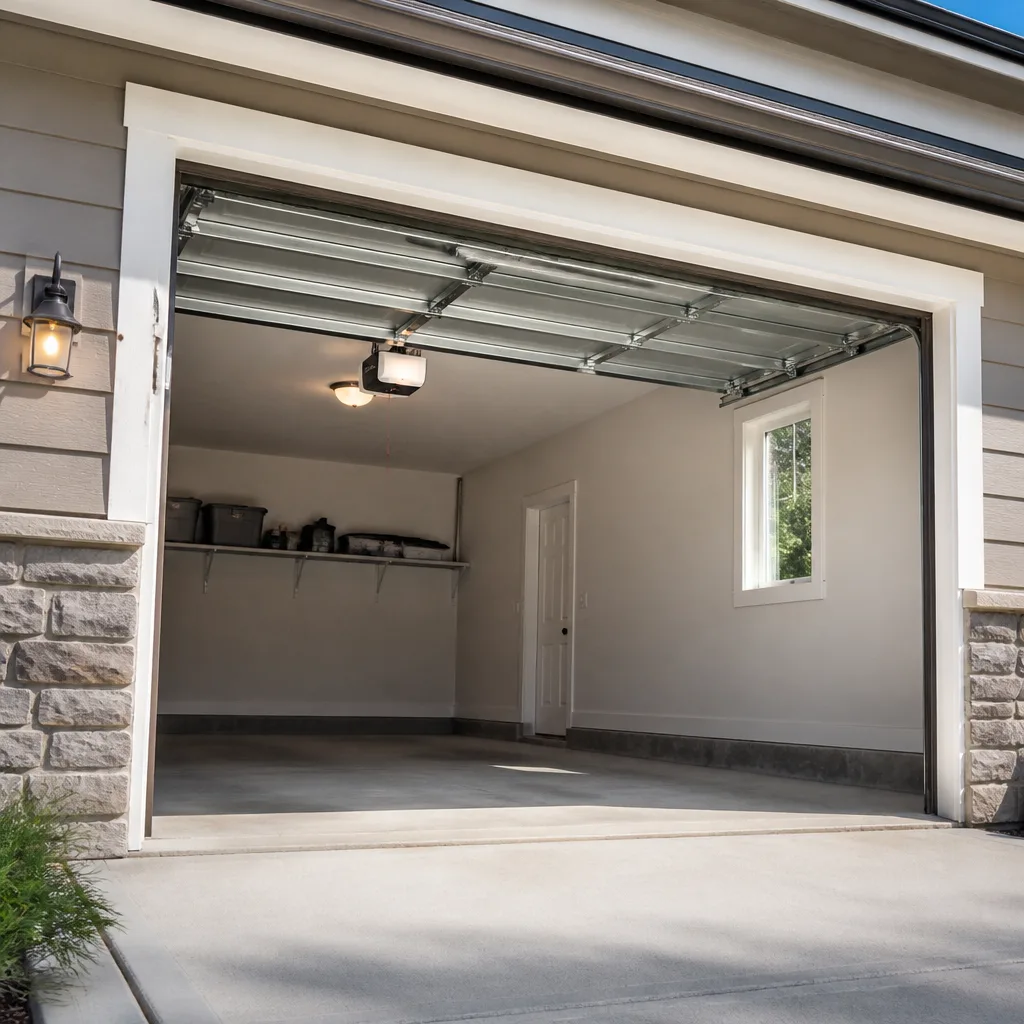 LiftMaster openers
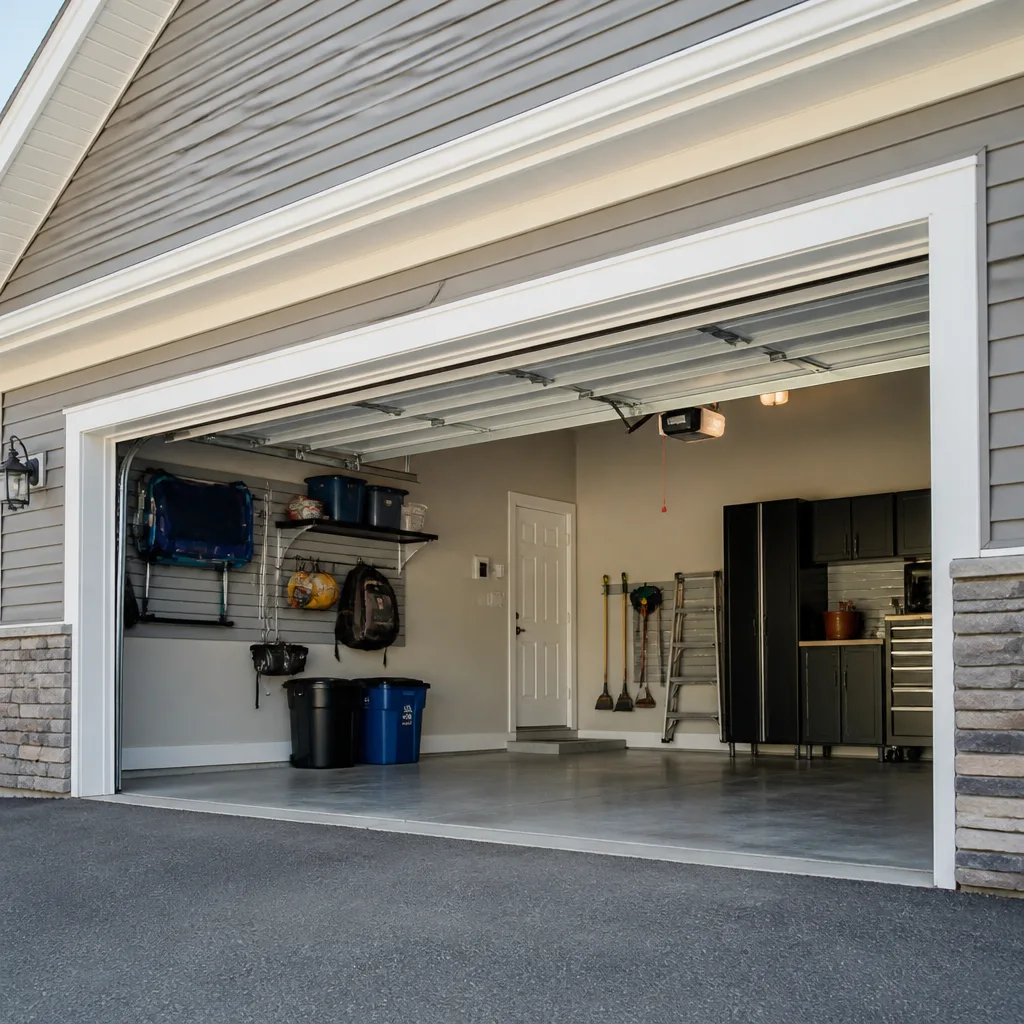 Chamberlain openers
Full 25-point door and opener safety check with every visit - springs, cables, rollers, tracks, and your LiftMaster or Chamberlain opener included
You get a price before we start. It does not change when the pro arrives.
Get your free estimateGarage Door Permits, Codes & Inspections in Petworth, DC: What You Need to Know
Most Petworth homeowners assume a garage door replacement is always permit-free. For a straight like-for-like swap, it usually is. But the moment you change the size of the opening, add an automatic opener to a door that was manual, or touch the structural header above the door, you cross a line into DC’s permit territory, and the rules change quickly. We’ve watched more than one project stall because nobody checked that boundary first. This guide maps exactly where it sits for Petworth properties, covering the building permit threshold, the electrical permit most people forget, historic review, inspections, and what a failed one means at resale. By the end you’ll know what your project actually needs before anyone picks up a wrench.
Quick Answer
A direct, like-for-like garage door replacement in Petworth usually does not need a DC building permit. You do need a permit when you change the opening dimensions, alter the structural header or framing, or add an automatic opener to a manual door, and that last case also needs a separate electrical permit for the new 120V circuit. Any exterior change in or next to a historic district can also trigger Historic Preservation review.
Styles & brands we work with
- Raised-panel steel
- Carriage house
- Modern flush
- Full-view glass
- LiftMaster openers
- Chamberlain openers
Table of Contents
- Where DC Draws the Permit Line
- Adding an Opener to a Manual Door: Two Permits, Not One
- Historic Preservation Review in Petworth
- The Standard Permit Process Through DCRA, Step by Step
- Realistic Timelines and Fee Ranges for 2025-2026
- What Actually Happens at the Inspection
- What a Failed Inspection Means at Resale
- Permits, Safety, and When to Bring in a Specialist
Where DC Draws the Permit Line
The DC Municipal Regulations treat a garage door as an ordinary building component, the same way they treat a window or an exterior door. Replacing one with a door of the same size, in the same opening, using the same mounting points, is considered ordinary repair and maintenance. Ordinary repair is exempt from a building permit. That’s the straight swap, and it covers the majority of what Petworth homeowners actually need when a panel gets dented or a door reaches the end of its useful life.
The threshold moves when the work stops being a swap and becomes an alteration. The clearest cases:
- Changing the opening size. Widening, heightening, or converting a single door to a double door means cutting and reframing the opening. That is structural work on a load-bearing wall and it needs a building permit.
- Altering the header. The header is the beam spanning the top of the opening that carries the load above it. Any change to it, including replacement with a different material or a longer span, requires a permit and typically stamped plans.
- Converting a garage to living space or back. If the door is being infilled or a former opening is being reopened, the wall assembly, insulation, and structural changes all fall under permit review.
- Changing the door’s structural role. Some garages are attached and the door wall carries part of the roof load; others are detached and it doesn’t. The structural engineer or the city determines which you have, and that answer decides the permit question.
For Petworth specifically, the housing stock complicates this. Much of the neighborhood is row house and early-20th-century detached construction, and garage openings often sit in walls that weren’t engineered for much beyond the door itself. We’ve seen plenty of Petworth garages where the header above the door was undersized from the start. You won’t know whether a like-for-like swap is truly like-for-like until someone looks at the framing, and that’s a conversation worth having before a door is ordered. If you’re weighing a replacement against a repair, garage door repair is often the cleaner path on older Petworth openings because it doesn’t touch the structure at all.
Adding an Opener to a Manual Door: Two Permits, Not One
Here is the piece most Petworth homeowners miss. A garage door opener is not just a mechanical accessory bolted to the ceiling; it’s an electrical appliance, and adding one to a garage that has never had power means running a new circuit. That circuit is electrical work. In DC, a new dedicated 120V circuit to a detached garage requires an electrical permit, and in most cases a licensed electrician to pull it and do the work.
So a project framed as “just add an opener” can actually involve two separate permits:
- A building permit, if the door or framing is being altered to receive the opener, or if the opener changes how the door is supported or reinforced.
- An electrical permit, for the new circuit, the outlet at the opener location, and any switch or safety-reversing device wiring.
If the garage already has a working outlet on a circuit with enough capacity, you may avoid the electrical permit entirely. That’s a determination for a licensed electrician, not a guess. What we can tell you from the door side is that the opener itself has requirements the circuit has to meet, and those requirements differ by brand. A LiftMaster or Chamberlain unit has its own power draw and its own safety-reversing spec. A Genie or a Raynor may wire differently at the wall control. Getting the circuit right the first time is cheaper than redoing it after inspection.
This is also where Petworth’s detached and semi-detached garages create the most friction. Running a new circuit out to a detached structure means trenching or overhead feed, and the electrical permit reflects that. Homeowners who budget for an opener and nothing else are the ones most often surprised. Set aside the time and cost for the electrical side separately from the door side, and the project stays on schedule. When the opener is the whole problem and the circuit already exists, garage door opener repair handles it without any permit at all.
Historic Preservation Review in Petworth
Petworth is not one uniform historic district, and that matters. Some blocks sit within or directly adjacent to designated historic districts, and properties in those areas face an extra layer of review for exterior changes. If your garage door is visible from a public street or alley and your property falls under historic review, replacing it with a door that differs in material, style, or configuration may require sign-off from the Historic Preservation Review Board (HPRB) or its staff, depending on the scope.
The practical rule of thumb:
- Like-for-like in material and style is more likely to clear staff-level review quickly.
- A change in material from wood to steel, or a change in panel style, window pattern, or color family, is more likely to require a fuller review.
- Any change to the opening size or structure in a historic district pulls in both historic review and the building permit, and those two processes run on different clocks.
We’re a garage door company, not a preservation consultant, so we won’t tell you what HPRB will decide on your block. What we will tell you is to find out before you order a door. A door that gets rejected at review is a door you may not be able to install, which is an expensive way to learn the rules. Clopay and Amarr both make profiles that read as traditional, and choosing one that matches the existing opening and style tends to keep historic review simple. Ask the city’s historic preservation office directly whether your address is in a district and what your proposed change requires. While you’re at it, confirm the permit question with the building department, because the two offices don’t always answer in the same place. Our garage door installation work on Petworth properties routinely runs into this, and starting the review early is the single biggest time-saver.
The Standard Permit Process Through DCRA, Step by Step
If your project crosses the threshold, here is the general sequence for a building permit application through the Department of Buildings (formerly DCRA). Treat it as a map, not a promise; the department’s own forms and instructions govern your specific application.
- Confirm what you’re applying for. Call or check the department’s online guidance to establish whether you need a building permit, an electrical permit, or both, and whether historic review applies. Get the answer before you file anything.
- Gather your drawings and specs. A simple door swap that crosses into alteration territory typically needs a drawing showing the opening, the existing and proposed dimensions, and the header or framing details. A structural change may need plans from a licensed engineer or architect.
- Assemble the property and contractor information. You’ll need the property address, the scope of work, and the license information for whoever performs the work. The licensed electrician pulling the electrical permit supplies their own credentials.
- Submit the application. DC’s permitting system takes applications online, and the department routes it to the appropriate review queue. If historic review applies, that runs alongside or before the building review.
- Respond to review comments. Plans examiners often come back with questions or corrections. Answer them promptly and completely; this is where most delays pile up.
- Receive the permit and post it. Once issued, the permit and any approved plans need to be available on site while work is happening.
- Schedule inspections at the right points. Electrical rough-in is inspected before the circuit is closed up; the building work is inspected after framing and again at final. Ask the inspector’s office what sequence applies to your scope.
- Close out the permit. A final inspection and sign-off is what makes the work legally complete. An open permit on a property record causes problems later, so don’t skip this step.
The single most common reason a Petworth garage permit drags is an incomplete application. Submit everything the first time, and the process moves; submit a vague scope and you’ll be asked for the missing pieces.
Realistic Timelines and Fee Ranges for 2025-2026
DC permit fees are set by the department and scale with the valuation and type of work, so no honest guide can quote you an exact number without your scope. What we can give you is a realistic planning range based on the kind of garage work Petworth homeowners actually file for.
| Permit type | Typical fee range | Typical review time |
|---|---|---|
| Electrical permit, new garage circuit | Lower end of the range; small scope | Days to a couple of weeks |
| Building permit, door or framing alteration | Mid range; scales with valuation | Weeks, longer with structural review |
| Historic review, if applicable | Additional review fee | Adds weeks to the front of the project |
Treat every figure as an estimate and confirm the current fee schedule with the department before you file. The bigger cost driver is usually time, not the fee. A door and opener project that needs both permits plus historic review can take several weeks longer than a straight replacement, and that’s the number to plan around. The door itself doesn’t move any faster because the permit is pending.
One more practical note: order your door after the permit is issued, not before. In the rare case the plans examiner asks for a change that affects the door specification, an already-ordered door becomes a problem. Sequencing the permit and the door correctly saves both money and argument. If your project is a straightforward replacement that turns out to be permit-exempt, the timeline collapses to door lead time plus installation.
What Actually Happens at the Inspection
An inspection is a verification step, not a surprise attack. The inspector checks that what was built matches what was approved and that it meets the code the permit was issued under. For garage work, a few things come up consistently.
- Electrical rough-in. The inspector looks at the new circuit before it’s closed up: conductor type and size, the outlet location, grounding, and protection. This happens before drywall or paneling goes back.
- Structural framing. If the header or opening framing changed, the inspector verifies the beam, the bearing points, and the connections against the approved plans.
- Safety devices. Opener installations are checked for the required safety-reversing feature and proper mounting, because these are life-safety items and the code treats them that way.
- Final inspection. The completed work is checked against the permit scope and the permit is closed out. This is the step that makes the record clean for resale.
Most failed inspections come down to something small and fixable: a missing outlet cover, a circuit that wasn’t run as approved, a framing detail that differs from the plan. The fix is a re-inspection, not a do-over, provided the permit is still open and the contractor is tracking it. Our advice on every Petworth job that involves a permit: keep the inspection schedule visible from day one, and don’t let the final inspection slip because the work looks done. It isn’t done until the record says so.
What a Failed Inspection Means at Resale
This is the part that outlasts the project. A permit is a public record, and so is its status. When a buyer searches a DC property record, unpermitted garage work and open permits both show up. An open permit on the record is read as unfinished or unverified work, and that triggers questions at exactly the wrong moment: during due diligence, when a buyer has leverage.
The specific consequences tend to follow a pattern:
- An open permit can hold up settlement. Lenders and title companies often won’t proceed cleanly while a permit is unresolved.
- Unpermitted structural work is the serious category. A door swap that was never permitted is a small issue; header or framing work done without a permit is a bigger one, because a buyer’s inspector can’t verify it was done correctly.
- The seller pays either way. Whether you close it out before listing or a buyer asks you to close it as a condition, the cost and delay land on the seller.
- It clouds the whole garage. A buyer who sees an open permit on the garage record may also question the rest of the property record, which is a distraction you don’t want.
The fix is almost always simpler than the fear: finish the inspection and close the permit. If a permit was never pulled but should have been, the department can tell you what the process is for that situation. Do it before you list. In Petworth’s market, where buyers do search property records, a clean garage record is one less objection to work around.
Permits, Safety, and When to Bring in a Specialist
We want to be direct about one thing: the dangerous parts of this trade are not DIY territory. The springs and cables above your garage door store enormous energy, and the electrical circuit feeding an opener is live. You don’t need us to walk you through adjusting either of those, because doing it wrong can seriously injure you. That’s not a sales pitch; it’s the honest boundary of what a guide should teach.
What a homeowner can safely do is check the basics: watch the door go up and down and note anything uneven, listen for grinding or popping, and look at whether the door sits flush when closed. A door that reverses on its own, hangs crooked, or won’t fully open is telling you something is off. Note what you see and get a trained technician to look at it. We work on the brands you already have, from LiftMaster and Chamberlain to Genie and Raynor, and our technicians have up to 10 years of experience across those systems. Factory-familiar with eight major door and opener brands means we’re not guessing at parts or procedures when we show up. Our full scope runs from opener repair to complete installation with Clopay, Amarr, Wayne Dalton, and Raynor, so a repair that turns into a replacement doesn’t send you looking for a second company. And because garage doors are the only thing we do, every technician on every job is focused on one trade. If you’re not sure whether your project needs a permit, that’s a fair question to ask before you commit, and it’s the right question to ask the city, not the door company.
Common Mistakes to Avoid
- Assuming an opener is just an accessory. Adding one to a manual door in a Petworth garage without power usually means a new 120V circuit, and that’s an electrical permit. Skipping it is one of the most common violations on garage projects of any kind.
- Calling a size change a replacement. If the door comes out bigger or smaller than it went in, the opening gets reframed, and that’s an alteration. File it as one or you’ll be refiling later.
- Ordering the door before the permit is issued. A plans examiner can request a spec change, and an ordered door becomes a costly mistake. Sequence the permit first, even if it feels slow.
- Missing the historic question on a Petworth block. If your garage door faces a street or alley in or near a historic district, check with the historic preservation office before you pick a material or style. Finding out at review that wood-to-steel is a problem is a delay nobody wants.
- Leaving the permit open. The work being finished is not the same as the permit being closed. A final inspection and sign-off is what clears the property record, and an open permit resurfaces at resale.
- Guessing the wrong structural question. Whether the door wall carries roof load is a determination for an engineer, not the person installing the door. Attached and detached garages in Petworth behave differently, and so do their permit requirements.
- Using the permit review to learn the rules. The department’s guidance is available before you apply. Read it first, ask questions, and submit a complete package. Applications built by trial and error take longer than any review.
See the difference
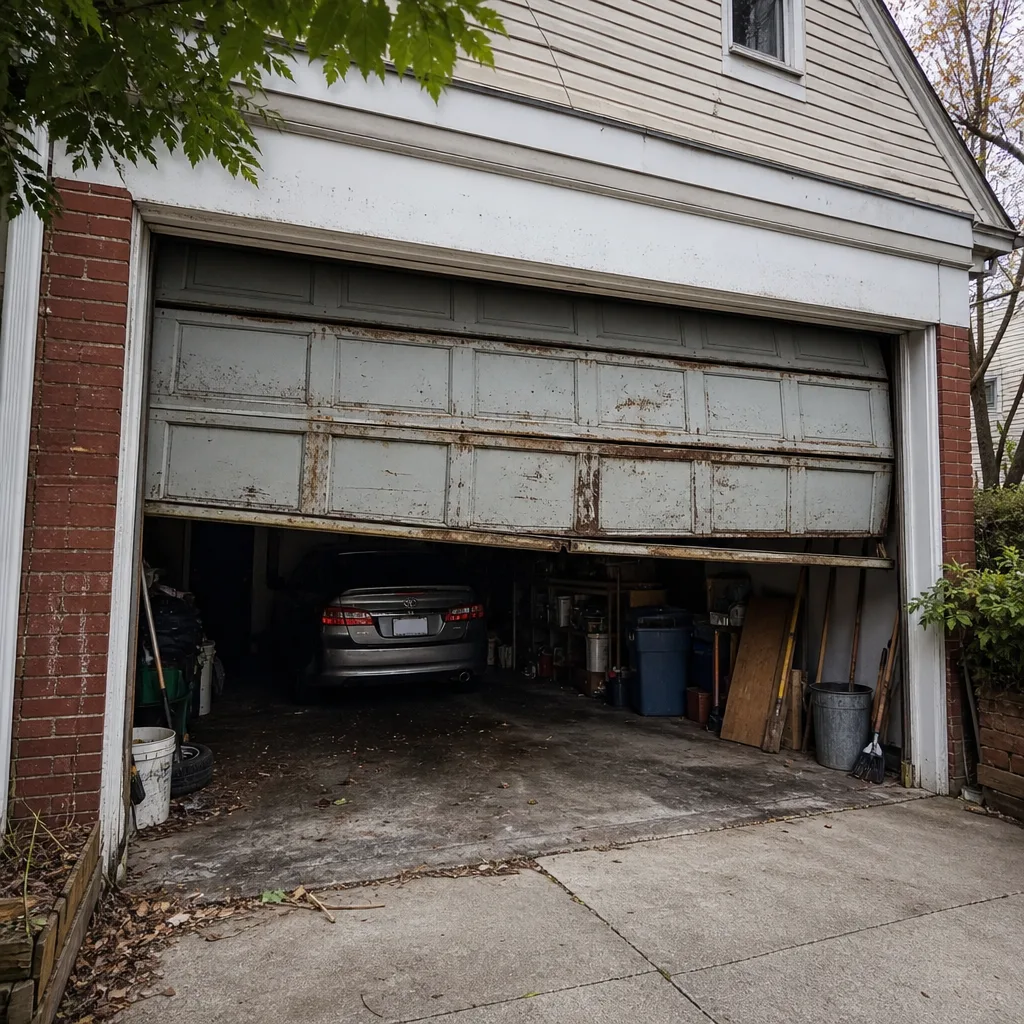 Before
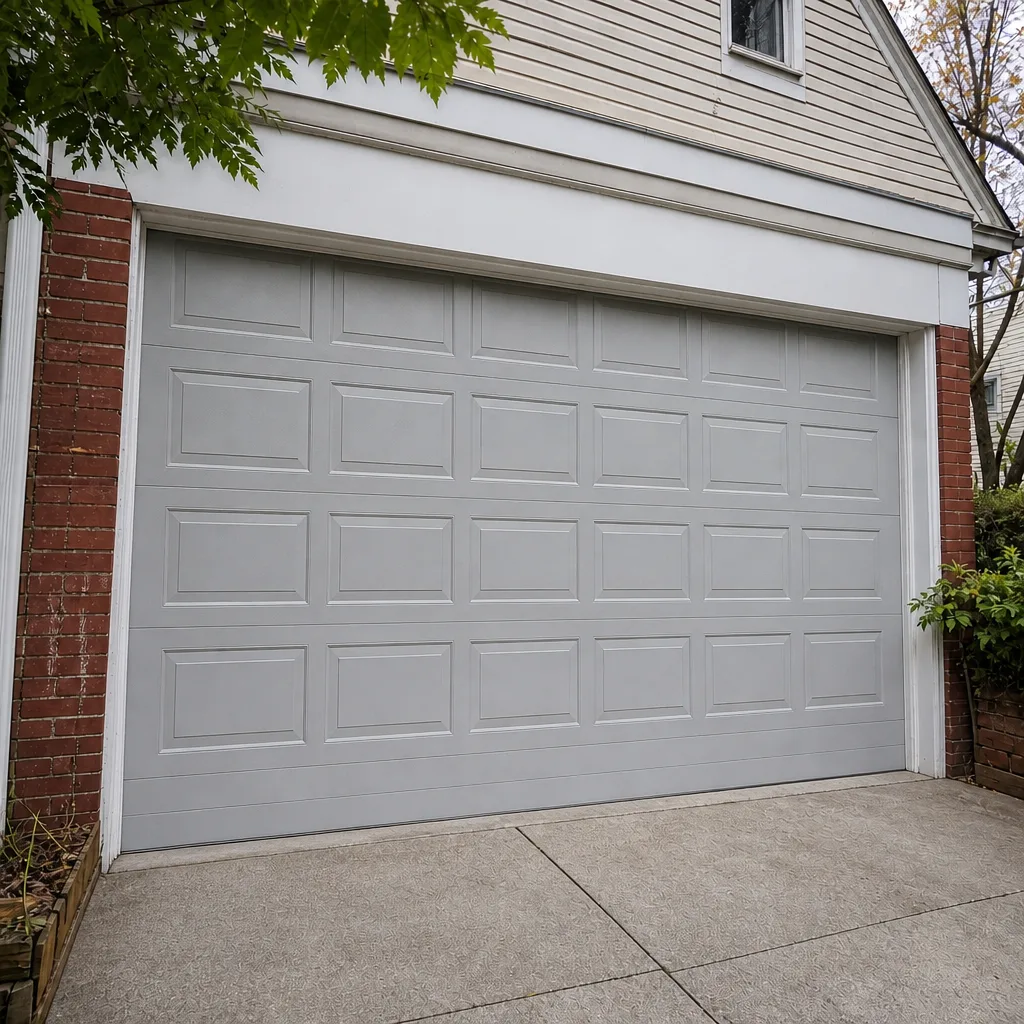 After
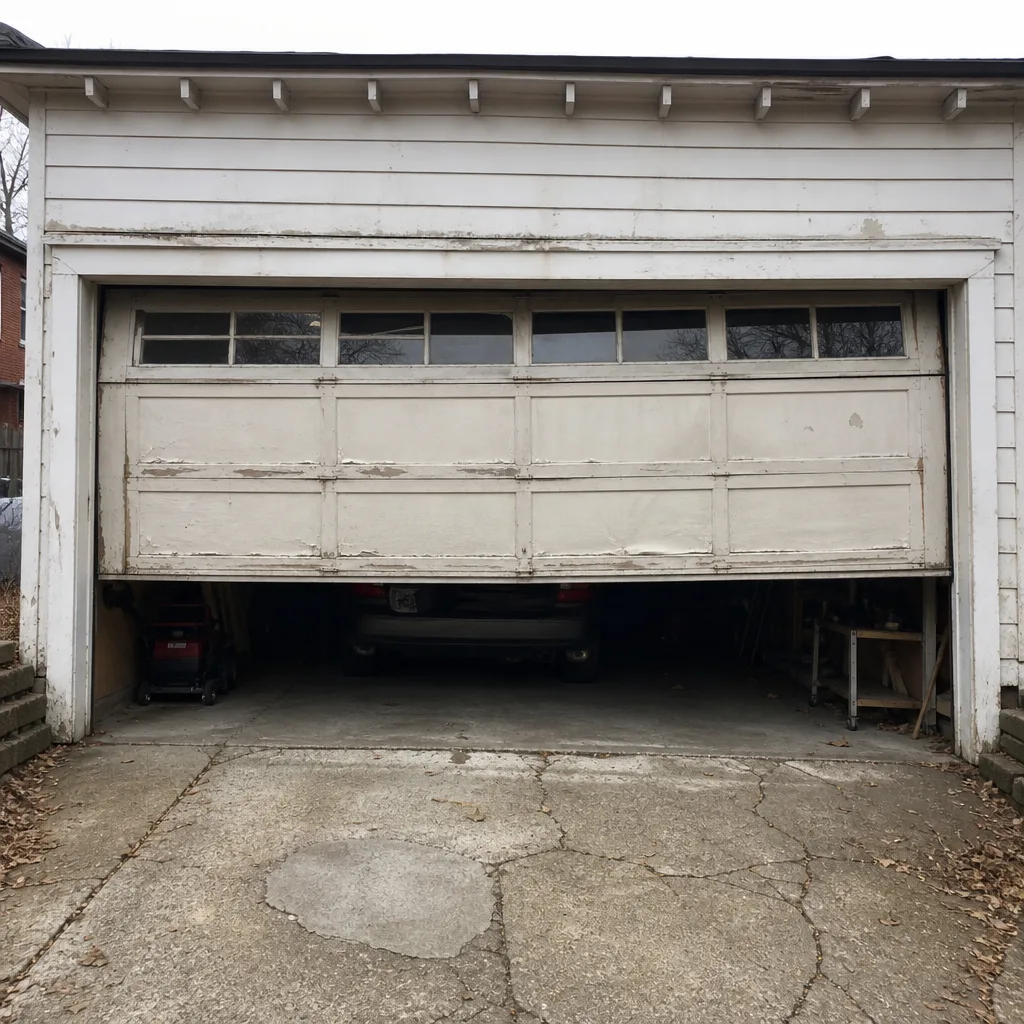 Before
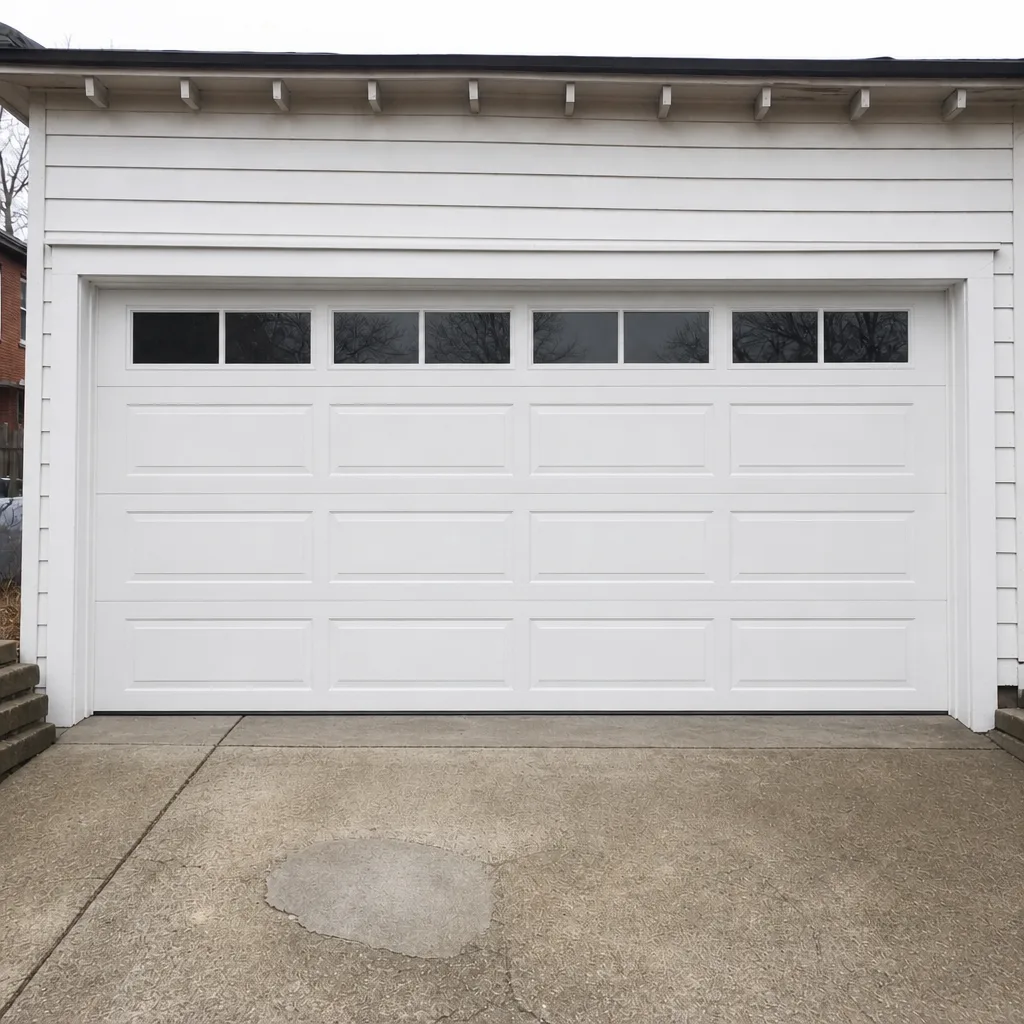 After
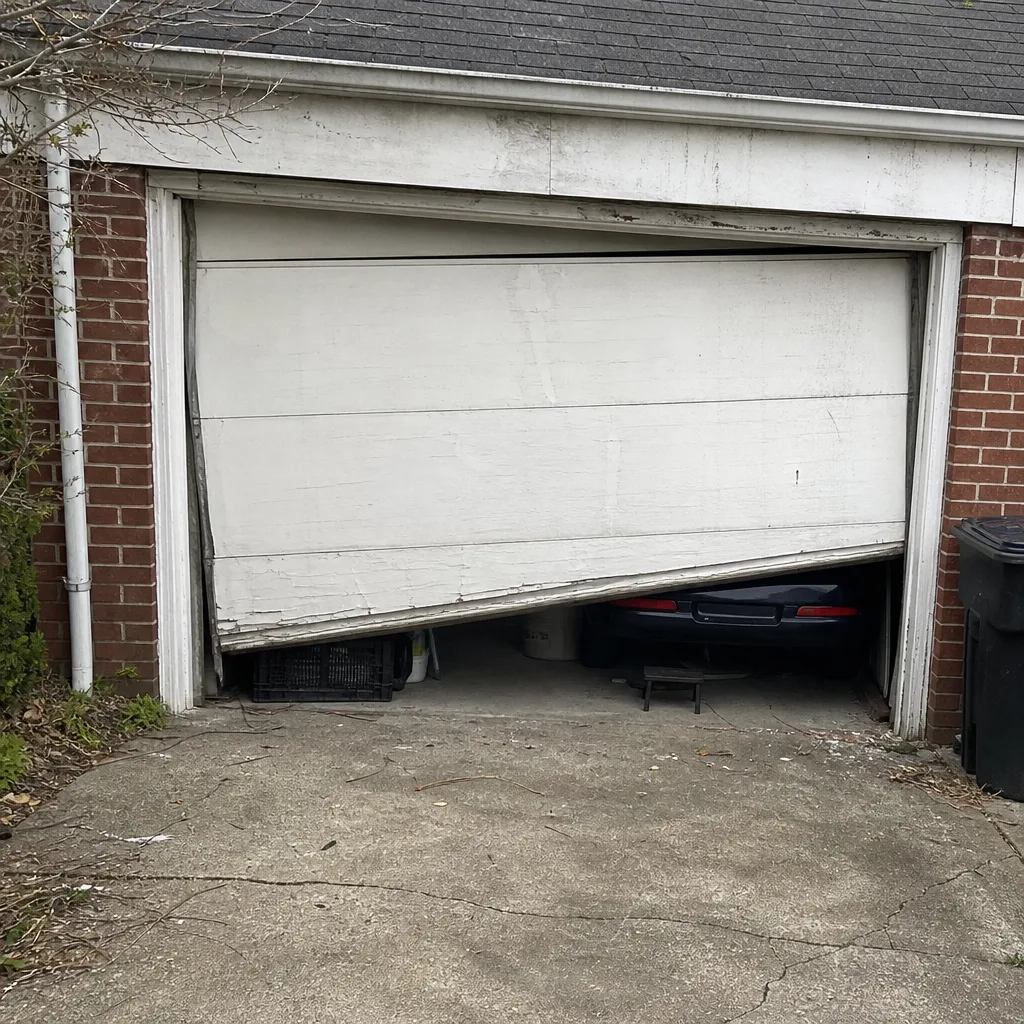 Before
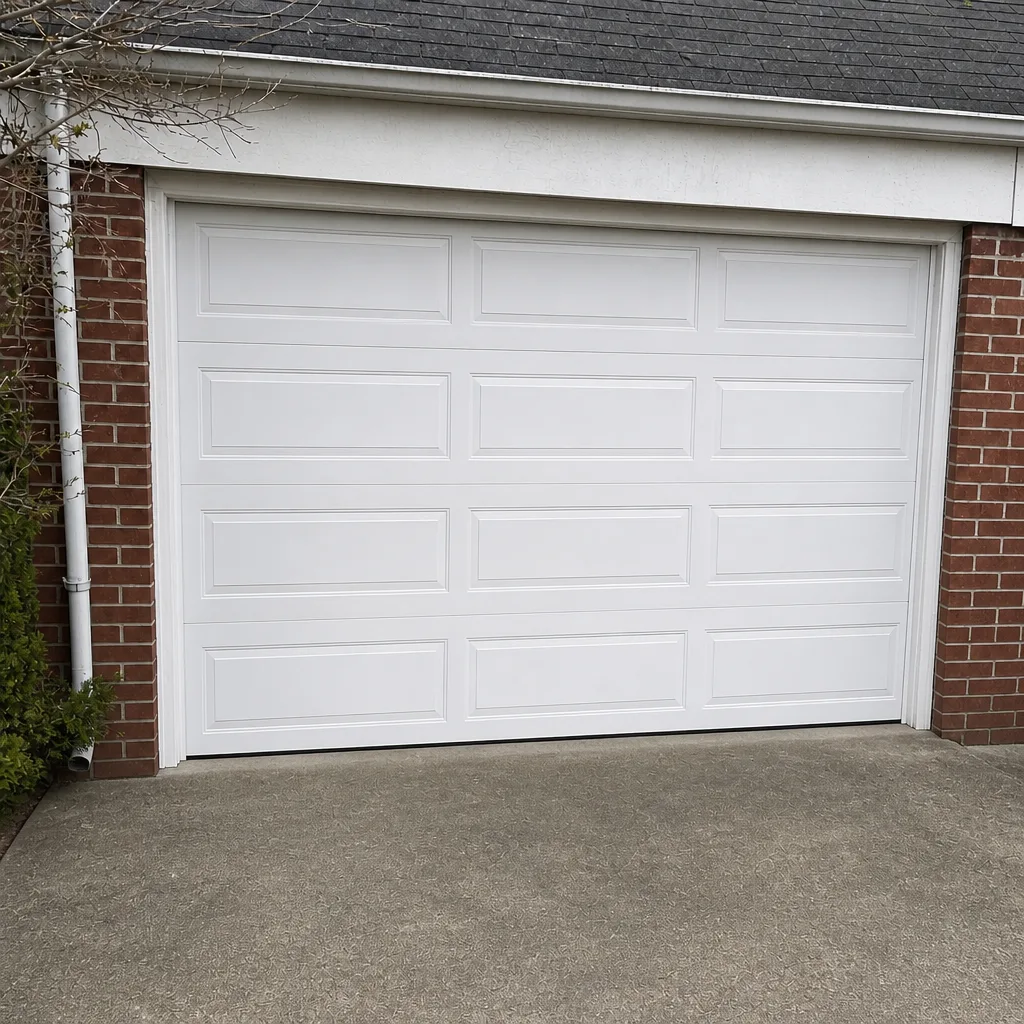 After
When to Call a Professional
Call a professional when the door won’t operate safely, when a spring or cable has let go, or when the door is stuck open and your garage is exposed. Call when an opener stops responding, reverses on its own, or won’t hold the door up. Call when your project crosses the permit line, meaning the opening is changing size, the header is being touched, or you’re adding an opener to a manual door, because those jobs need licensed hands and the right paperwork. Call when the door is a brand you’d rather have someone familiar with, whether that’s a LiftMaster opener or a Wayne Dalton door. Garage Door Repair Petworth offers free estimates in Petworth. For a project that needs a permit, we’ll help you understand the scope so your application is accurate. Call (833) 509-3461 to set it up.
Frequently Asked Questions
A like-for-like replacement in the same opening usually does not require a DC building permit, because it counts as ordinary repair and maintenance. You do need a permit if the opening size changes, the structural header is altered, or an automatic opener is being added to a manual door. Confirm your specific scope with the city’s building department before you order a door, and call (833) 509-3461 for a free estimate if you want a second set of eyes on the scope.
Often yes, because adding an opener to a garage without power means running a new dedicated 120V circuit, and that’s electrical work requiring an electrical permit and typically a licensed electrician. If the door or framing has to change to receive the opener, a building permit may also apply. Find out whether your garage already has a usable circuit before you plan the project, then call (833) 509-3461 to schedule the door side.
Plan on days to a couple of weeks for a simple electrical permit and several weeks for a building permit, with historic review adding more time if it applies. Fees are set by the department and scale with the valuation and type of work, so treat any range as an estimate and confirm the current fee schedule before you file. The time, not the fee, is usually the bigger cost. For the door and opener portion, call (833) 509-3461 for a free estimate.
Yes. DC permit records are public, and an open or missing permit on a garage project surfaces in a property record search during due diligence. An open permit can hold up settlement, and unpermitted structural work is the bigger concern because a buyer’s inspector can’t verify it. The solution is to finish the inspection and close the permit before you list. If you need the door work completed properly, call (833) 509-3461.
No. It depends on whether your property is in or adjacent to a designated historic district and whether your change is visible from a public way. A like-for-like replacement in the same material and style is more likely to clear staff-level review; a material or style change may need fuller sign-off. Ask the city’s historic preservation office about your specific address before selecting a door, and call (833) 509-3461 when you’re ready to move forward.
Yes, we can handle the garage door and opener work itself, and we’ll help you understand the scope so your application to the city is accurate. For any project in Petworth where a permit applies, the door and opener work should follow the permit, not lead it. That keeps the sequence clean and avoids installing something the city later asks you to change. Call (833) 509-3461 for a free estimate and to plan the sequence.
The Bottom Line
The permit question in Petworth comes down to one line: a like-for-like garage door replacement is usually exempt, and anything that changes the opening, touches the header, or adds power crosses into permitted work. The most overlooked piece is the electrical permit that comes with adding an opener to a manual door, and the most overlooked timing piece is historic review on blocks near a district. Get the scope right, file a complete application, and close the permit with a final inspection so your property record stays clean. If your project needs a specialist on the door side, we’re here. Call (833) 509-3461 for a free estimate in Petworth. Our technicians have up to 10 years of experience, and our Garage Door Repair Petworth team is ready to help.
Written by the team at Garage Door Repair Petworth.