Last updated November 21, 2026
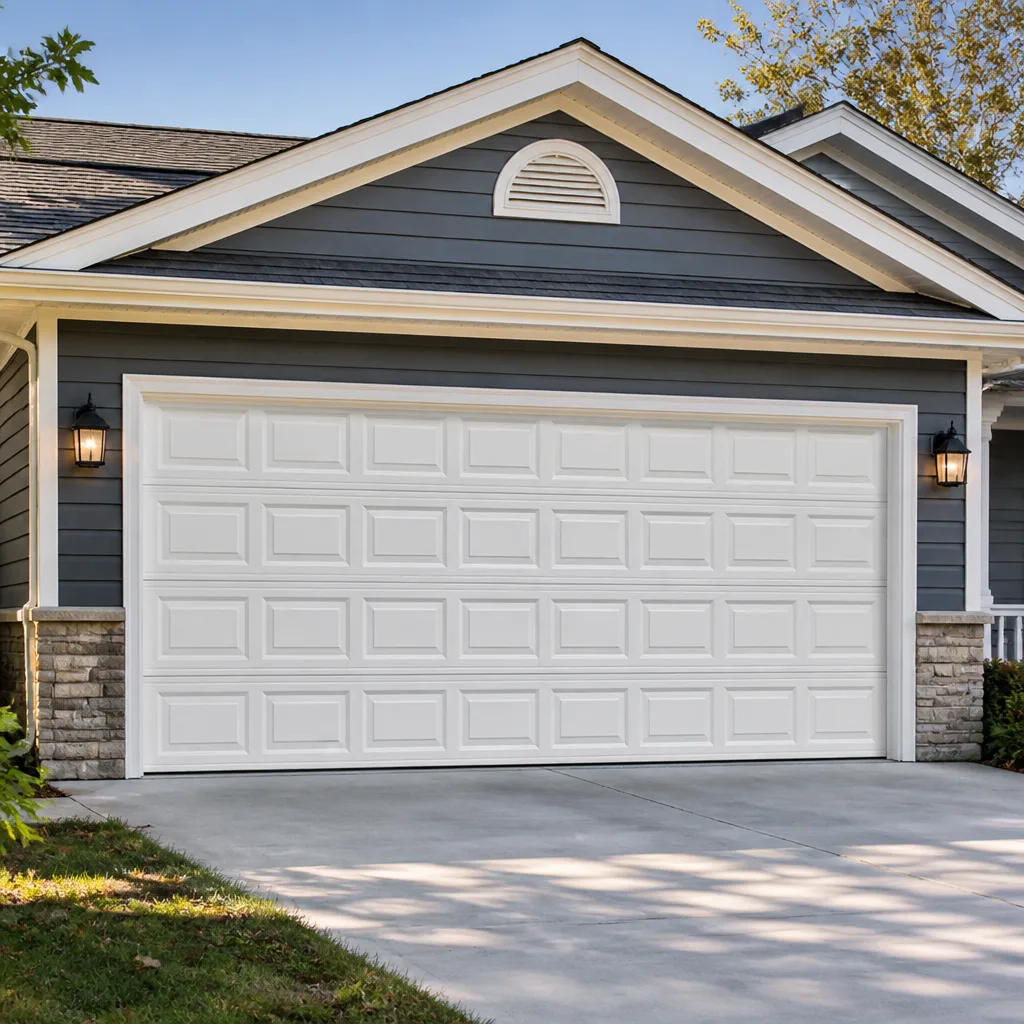 Raised-panel steel
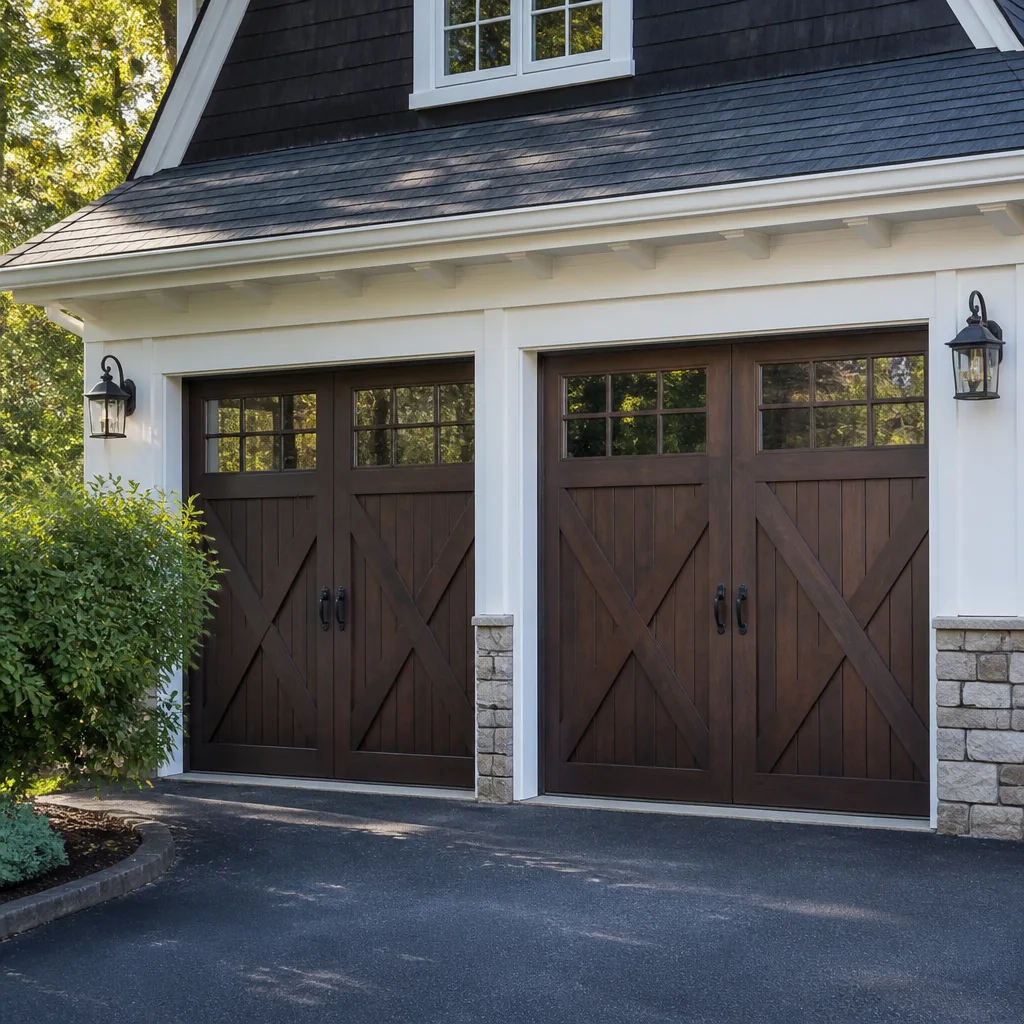 Carriage house
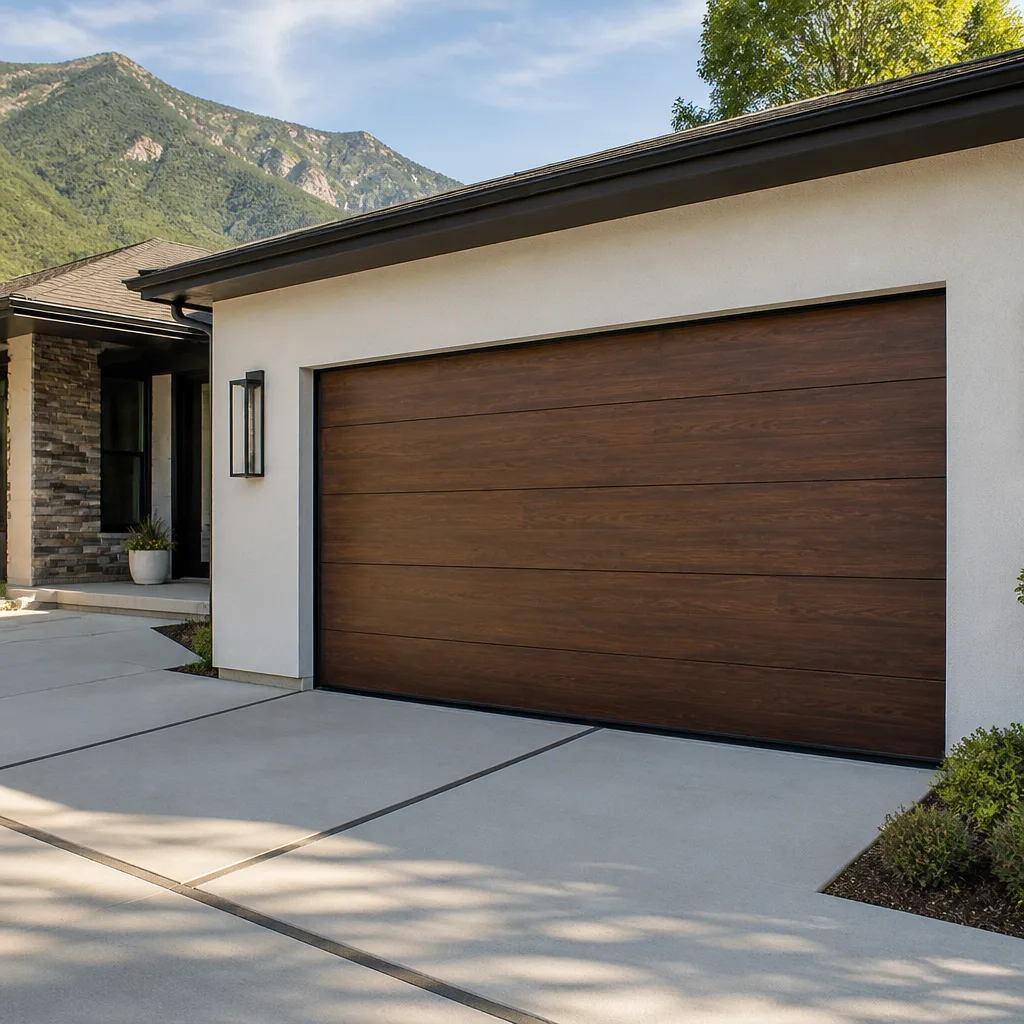 Modern flush
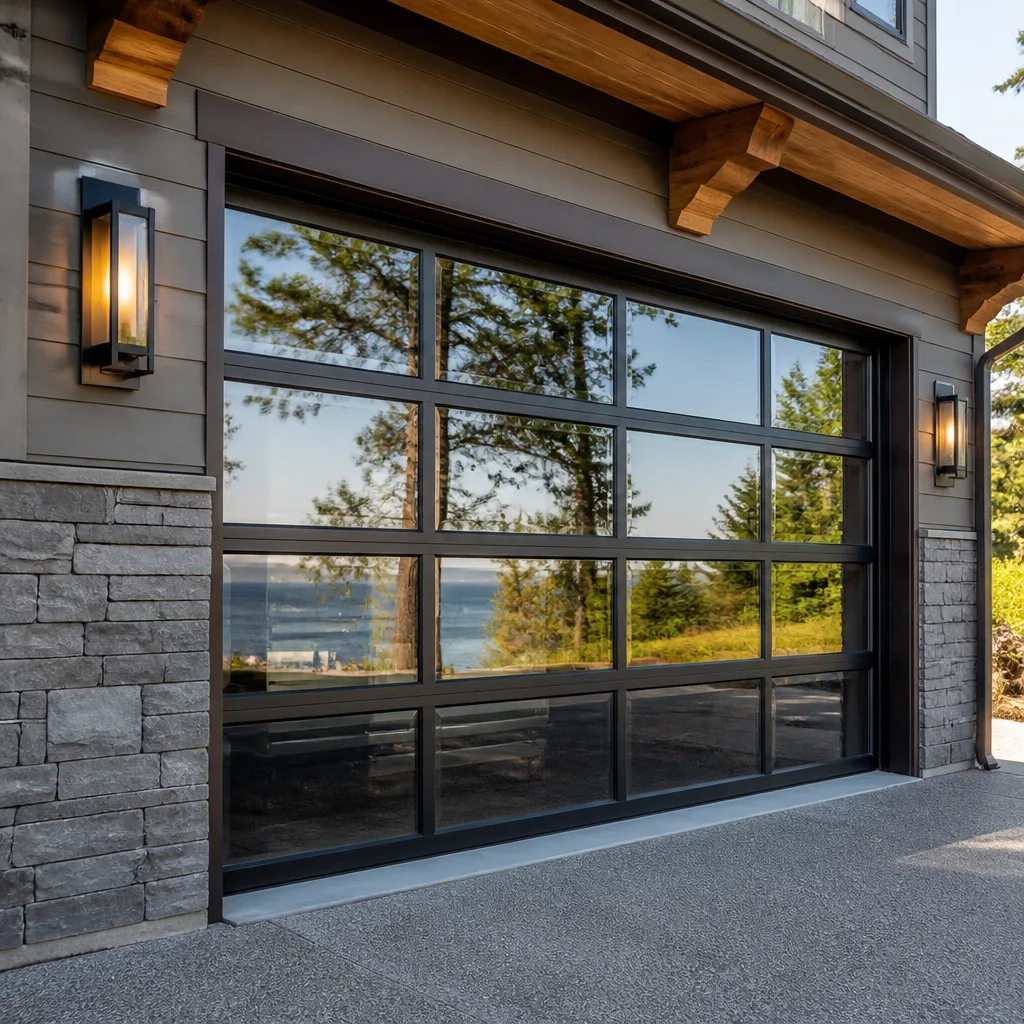 Full-view glass
 LiftMaster openers
 Chamberlain openers
Full 25-point door and opener safety check with every visit - springs, cables, rollers, tracks, and your LiftMaster or Chamberlain opener included
You get a price before we start. It does not change when the pro arrives.
Get your free estimateGarage Door Repair Troubleshooting in Petworth: Common Problems and How to Fix Them
A door that reverses before it touches the ground isn’t broken. It’s reporting a specific fault, and the report is precise if you know how to read it. Most homeowners in Petworth treat garage door trouble as one big category: the door is acting up, so something needs fixing. That habit leads to replacing openers that were fine and ignoring cables that were about to fail. This guide maps symptoms to the component actually causing them – grinding to rollers and bearings, squealing to torsion hardware, uneven lift to springs or drums – and separates what you can safely check from what belongs in a technician’s hands. By the end, you’ll know what your door is telling you, and how to describe it clearly enough that the right parts arrive on the first visit.
Quick Answer
Most garage door problems in Petworth trace to one of five components: the torsion springs, the cables and drums, the rollers and hinges, the opener’s logic board or sensors, or the track alignment. Diagnose by symptom rather than guessing – grinding points to rollers, a door that lifts crooked points to a spring or cable, and a door that reverses immediately points to the safety sensors or travel limits. Anything involving spring tension or cable winding is not a homeowner job; call a specialist.
Styles & brands we work with
- Raised-panel steel
- Carriage house
- Modern flush
- Full-view glass
- LiftMaster openers
- Chamberlain openers
Table of Contents
- Symptom-to-Component Diagnostic Matrix
- Why Petworth Rowhouse Garages Fail Differently
- Uneven Lifting: Spring Tension or Cable Drum?
- Safe Troubleshooting Steps Homeowners Can Do
- What You Should Never Adjust Yourself
- Opener Faults: When the Motor Isn’t the Problem
- How to Document the Failure Before You Call
- Repair or Replace? Reading the Door’s Condition
Symptom-to-Component Diagnostic Matrix
Every garage door failure produces a signature. The sound, the direction of travel, and the point in the cycle where things go wrong all narrow the cause down before anyone touches a tool. Here’s how we read the most common signatures in Petworth homes.
- Grinding or rumbling as the door moves: Worn steel rollers, dry hinges, or a bearing plate that has lost lubrication. The door still operates, which is why this gets ignored until a roller seizes and the door comes off its track.
- A sharp squeal or screech: Metal-on-metal contact in the torsion hardware or the roller stems. Often the earliest warning sign and the cheapest to correct.
- A loud clunk or bang, then the door won’t lift: A torsion spring has snapped. The door becomes extremely heavy and should not be operated.
- Popping or snapping from one side: A cable has jumped its drum or begun to fray. Treat this as urgent; a slack cable under load can whip.
- Door reverses immediately after starting down: The photo-eye sensors are misaligned, blocked, or the wiring has loosened. Also possible: the travel limit switch has drifted out of calibration.
- Motor runs but the door doesn’t move: The opener’s drive gear, chain, or belt has failed, or the trolley has disconnected from the carriage.
- Door lifts a few inches and stops: The opener is hitting its force limit, usually because the door’s mechanical resistance has increased. The motor is telling you the door is binding.
Notice the pattern: in most of these cases the opener is reporting a mechanical problem, not causing one. When a motor stops mid-cycle, it has hit a force threshold built in to protect the door and the operator. The correct response is to find what’s binding, not to raise the force setting. Turning up the force to push through resistance is one of the most common ways a repairable problem becomes a full replacement. If you’d rather hand the diagnosis to a specialist from the start, garage door repair covers exactly this kind of fault-finding.
Why Petworth Rowhouse Garages Fail Differently
Petworth’s housing stock shapes its garage door problems. The neighborhood is dominated by early-20th-century rowhouses, and the garages attached to them – many built for a single car, often accessed from an alley – were designed around tighter tolerances than a modern suburban garage. That geometry produces failure patterns you won’t find in a generic troubleshooting chart.
Tight clearances stress the hardware
A Petworth rowhouse garage frequently has a low header and minimal side clearance. That leaves less room for the door to travel and puts more lateral load on the tracks and rollers. When a roller wears and develops flat spots, there’s less margin before the door drags against the jamb. The result: doors that seem to “stick” at the same height every time, which homeowners often blame on the opener.
Humidity works on wood and steel alike
Washington’s summer humidity is hard on garage doors. Wooden door panels swell at the edges and along the bottom rail, which changes the door’s balance and can make it bind in the frame. Steel hardware rusts at the hinges and roller stems. We’ve seen both drivers produce the same symptom – a door that opens slower as the season goes on. If your door worked fine in spring and drags by July, humidity is a strong suspect.
Infrequent use hides developing faults
Many Petworth residents use their garage for storage and open the door a few times a week at most. Low-cycle doors don’t build up the daily feedback that reveals a failing spring or a loosening cable. Problems stay invisible until something fails outright, which is why emergency calls in Petworth skew toward snapped springs and derailed doors rather than gradual wear. Our full scope is Garage Door Repair Petworth, so the same specialist who diagnoses the fault can handle the repair or the replacement it leads to.
Alley access changes how doors are used
Alley-facing garages are opened and closed more often than a front-facing suburban door, simply because that’s how you get the car in and out. More cycles per day means faster wear on springs, which are rated by cycle count rather than years. A door opened four times a day reaches the end of a standard spring’s life in roughly half the time of one opened twice a day.
Uneven Lifting: Spring Tension or Cable Drum?
When one side of the door rises before the other, the cause is almost always in one of two places: the torsion spring system or the cable-and-drum assembly. Distinguishing them matters because the repair is different and one of them is far more dangerous than the other.
Signs the spring is the problem
- The door feels heavy by hand and lifts unevenly from the very first inch.
- You hear a single loud bang at some point before the trouble started.
- The gap between the coils of the torsion spring is uneven, or one spring on a pair looks collapsed while the other doesn’t.
- The door lifts with effort but the cables look taut and properly seated on their drums.
On a two-spring system, one spring can break while the other keeps working. The door still opens, just badly, and the surviving spring is now carrying double the load it was designed for. That’s a failure waiting to happen, and it’s the reason we replace matched pairs together.
Signs the cable drum is the problem
- The cable is visibly off its drum, crossed over itself, or slack on one side.
- The door lifts crooked from the start and gets worse as it rises.
- The drum itself wobbles or the cable has jumped the groove.
- You can see fraying strands on one cable but not the other.
A cable that has left its drum is not a “push it back on” situation. The cable is under heavy tension and holds the door’s weight; re-seating it without releasing that tension first can cause serious injury. This is technician work. For the same reason, a spring that has snapped should never be cut free or adjusted by hand. We treat spring replacement as a dedicated specialty precisely because it’s the most mishandled and most dangerous repair in the trade – spring work is done with the door’s weight fully controlled before anything is touched.
Safe Troubleshooting Steps Homeowners Can Do
Some diagnostics are genuinely safe. These keep you out of the danger zone and give a technician better information when you call.
- Test the sensors first. With the door fully open, wave an object across each photo-eye lens. If the door doesn’t respond or a light on the sensor blinks, you’ve found the fault. Clean the lenses and check that they’re aimed at each other.
- Try the manual release. Pull the red emergency cord to disconnect the door from the opener. If the door then moves smoothly by hand, the opener is the problem. If it still binds, the fault is mechanical.
- Lift the door halfway by hand and let go. A properly balanced door holds its position. If it drops, the springs are losing tension. If it rises on its own, the springs are over-tensioned. Either way, stop here and call.
- Look at the tracks. Run your eyes down each vertical track. Dents, bends, or a track that has pulled away from the frame will cause binding. Don’t try to bend a track back by hand under a loaded door.
- Check the wall control and remotes. A door that won’t respond at all may have a dead wall button, a tripped breaker, or a remote with a worn battery. Swap batteries and try the wall control separately.
- Inspect the weather seal and bottom rail. A torn seal or a swollen bottom rail can change the door’s travel and trip the safety reverse. This is visual inspection only.
- Listen once more with the door disconnected. Pushing the disconnected door by hand lets you hear exactly which part of the cycle produces the noise, which is the single most useful detail you can give a technician.
Every one of these steps involves observation, not adjustment. That’s the line: you can look, listen, and test, but you don’t touch tension.
What You Should Never Adjust Yourself
We’ll be direct about this because the stakes are real. A garage door’s torsion system stores enough energy to cause serious injury in a fraction of a second. A few repairs belong to trained technicians, full stop.
- Winding or unwinding torsion springs. The winding bars must be the right size and inserted correctly, and the spring must be held under control at every step. If a bar slips, it can strike with tremendous force.
- Removing or re-seating cables. Cables are under the door’s full weight. A snapped or released cable can whip with enough force to cause injury.
- Loosening the cable drums. The drum holds the cable under tension. Loosening it without the spring wound down is a serious hazard.
- Cutting a spring that has snapped. It looks inert. It isn’t. A broken spring can still hold stored energy and shift unpredictably.
- Adjusting the opener’s force or travel limits as a workaround. Raising the force to push through a mechanical bind puts strain on the door and the operator and can defeat the safety reverse.
The safe alternative is to make the fault visible to a technician who can deal with it. Our technicians have up to 10 years of experience and handle the tension hardware with the door’s weight controlled before any work begins. If the door is stuck open or completely inoperable and you can’t secure the garage, that’s the case for emergency garage door service rather than waiting for a scheduled visit.
Opener Faults: When the Motor Isn’t the Problem
Openers get blamed for a lot of mechanical problems. Before you replace one, it’s worth knowing which faults are genuinely in the motor and which are the door telling the opener to stop.
True opener faults
- Logic board failure: The unit clicks or beeps but doesn’t run, or it runs erratically without input. Common on older Chamberlain and Genie units after a power surge.
- Drive gear wear: The motor spins but the door doesn’t move – a stripped gear or a slipping belt.
- Travel limit drift: The door stops short of the floor or bangs against the header, because the limit switch has moved out of position.
- Radio receiver failure: The wall control works but no remote will operate the door.
Opener symptoms that point to the door
- The door reverses immediately on the way down (sensors or a binding door).
- The opener stops after a few inches (force limit tripped by mechanical resistance).
- The motor strains audibly under load (worn rollers or a stiff spring).
Because we work across the major brands, we don’t guess at part numbers. We’re factory-familiar with LiftMaster, Chamberlain, Genie, Craftsman, and the other widely installed opener lines, so a repair visit arrives with the right board, gear, or sensor in hand. That brand fluency is the reason garage door opener repair is its own specialist service rather than a general repair call. If you have a Genie or Chamberlain unit that’s over a decade old and behaving oddly, a technician can tell you in minutes whether the fix is a component or a full replacement.
How to Document the Failure Before You Call
The single biggest time-waster in garage door repair is a technician arriving without the part that’s actually needed. Accurate documentation fixes that. Before you pick up the phone, capture these details.
- Note exactly where in the cycle the door fails. “Stops six inches off the ground” is useful. “Doesn’t work” is not.
- Describe the sound with a comparison. Grinding like a coffee grinder, a clunk like a dropped weight, a squeal, a pop. The comparison tells us which assembly to check first.
- Note which side of the door misbehaves. Left or right, from inside the garage facing out. This points to spring vs. drum on a two-spring system.
- Record the opener brand and model. A photo of the label on the back of the motor unit saves a call. Note the door brand too – Clopay, Amarr, Wayne Dalton, and Raynor doors each have characteristic hardware, and we work on all of them.
- Report the door’s material and weight class. A single-car steel door and a double-car wooden door need different spring ratings; knowing which you have means the right spring is on the first visit.
- Try the manual release while you have the phone. Whether the door moves by hand or not narrows the cause to mechanical vs. opener before a technician leaves.
A phone call with these six details on hand usually results in a faster, better-informed visit. The written estimate then confirms exactly what will be done and what it will cost before any work starts.
Repair or Replace? Reading the Door’s Condition
Not every fault is worth fixing. A door that needs three separate repairs at once often costs more over the next year than a replacement, and a newer door will be safer, quieter, and easier to operate. Here’s how to read the signs.
- Repair makes sense when the door’s structure is sound and one component has failed – a single spring, a set of rollers, a sensor, an opener board.
- Repair also makes sense when the door is relatively modern, a Clopay or Amarr panel door in good condition, and the fix is isolated.
- Replacement is usually the better call when the panels are dented or rusted through, or the door is sagging across its width from frame damage.
- Replacement is usually the better call when a wooden door has swelled and warped enough that its balance can’t be restored, which is a real pattern in older Petworth rowhouse garages.
- Replacement is usually the better call when the same door has needed two or more significant repairs within a short period, or when the opener is failing and the door is at the end of its life too.
When a repair becomes a replacement, the important thing is that one specialist can handle both. We do garage door installation across Clopay, Amarr, Wayne Dalton, and Raynor doors, so there’s no handoff to a second company or a gap in the diagnosis. A new door is a measured, ordered, and scheduled job – start with a free on-site measure and a written price rather than a same-day repair call.
Common Mistakes to Avoid
- Turning up the opener force to fix a binding door. The force limit is a safety feature. Raising it to push through resistance hides the real fault and puts strain on every moving part. It’s the fastest way to turn a roller replacement into an opener replacement.
- Spraying lubricant into the torsion spring coils. It’s the wrong fix for a squeal and can attract grit. The squeal usually comes from the bearing plates and hinges, not the spring.
- Replacing one spring on a two-spring door. The surviving spring has already done half the work and will likely fail soon. Matched pairs are replaced together so the load is shared evenly.
- Ignoring a slow door through the humid months. In Petworth’s summer, wood swelling and steel rust both show up as a door that drags. Left alone, the drag becomes binding and the binding becomes worn opener parts.
- Pushing a door back onto its track by hand. A derailed door can be unstable and the track can spring back. Get the door into a safe position and call a technician rather than forcing it.
- Using a general handyman for spring or cable work. These are the two most dangerous jobs in the trade and require specific tools and technique. A generalist without that experience is a poor choice on this particular repair.
- Calling with “it’s broken” and no details. The brand, the sound, and the exact point of failure determine which parts are needed. A little documentation turns a two-visit repair into a single visit.
See the difference
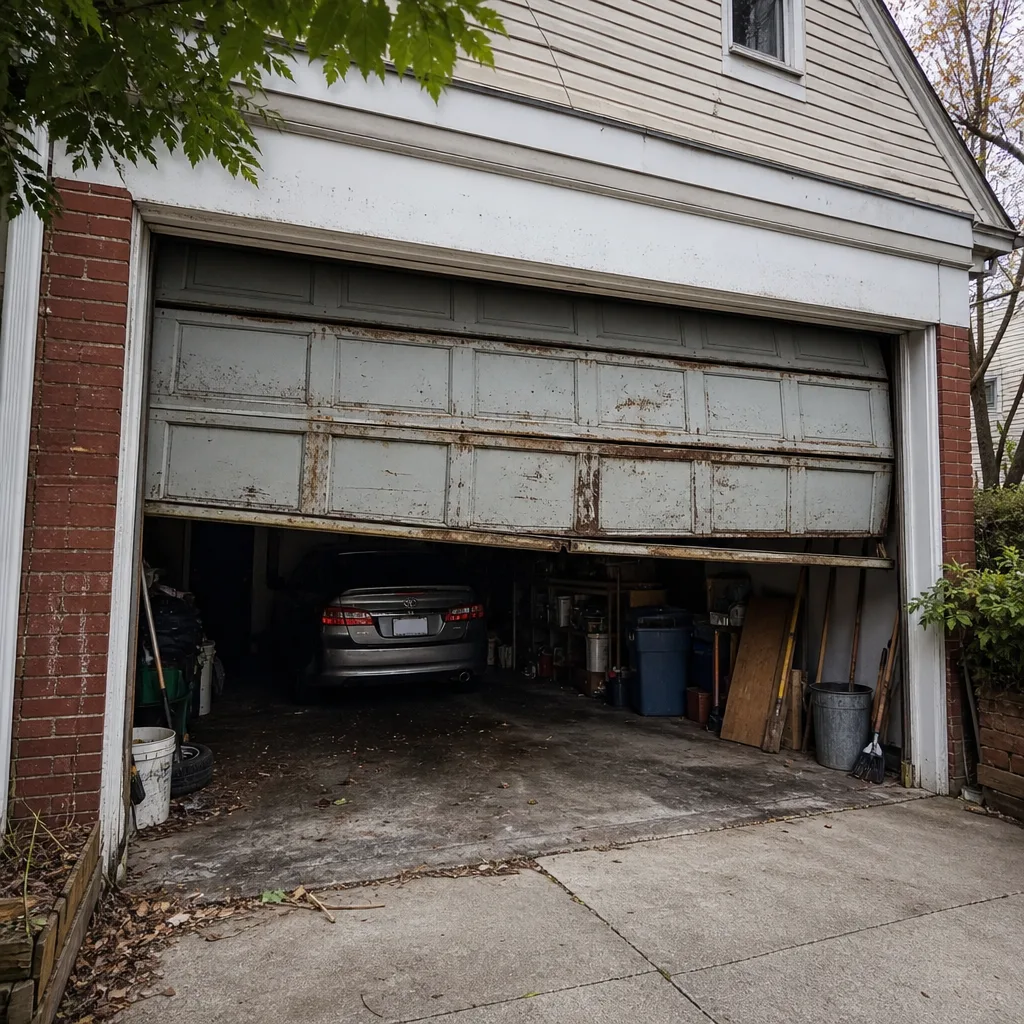 Before
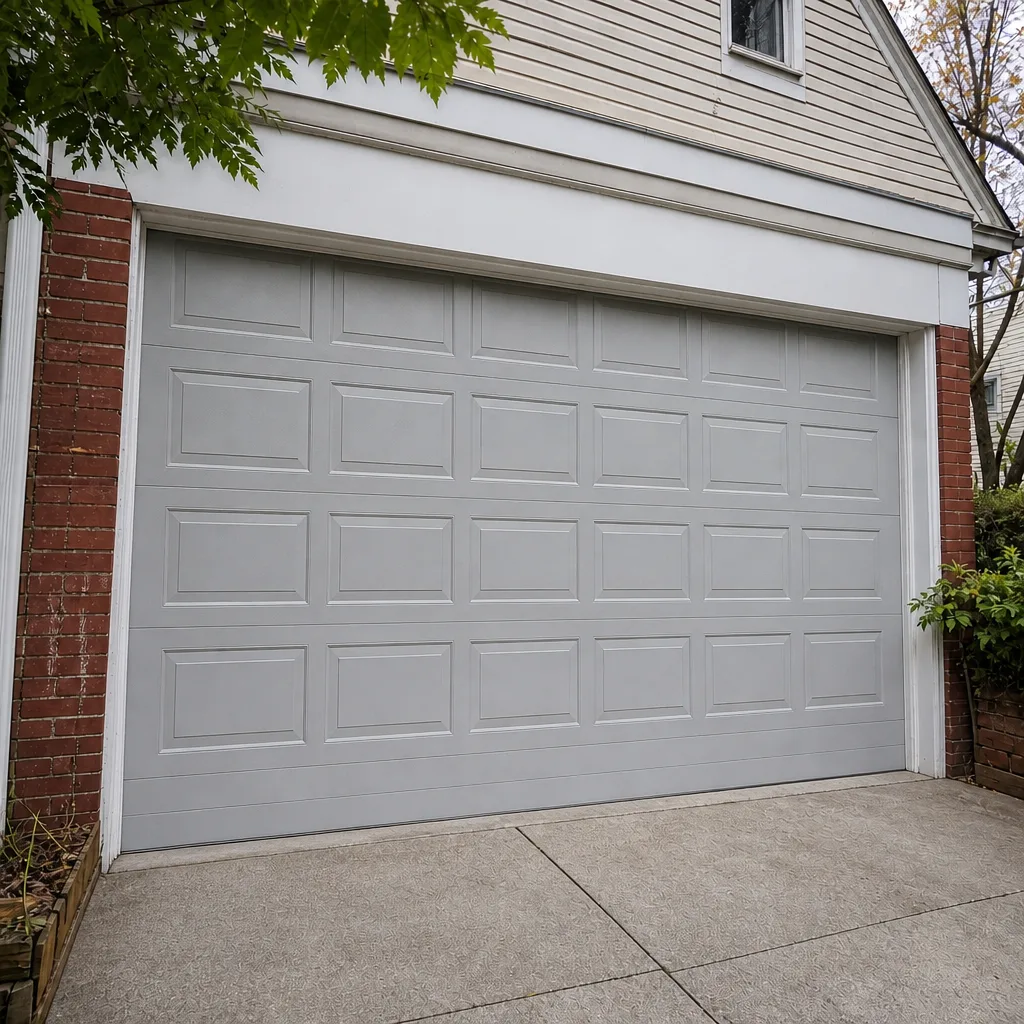 After
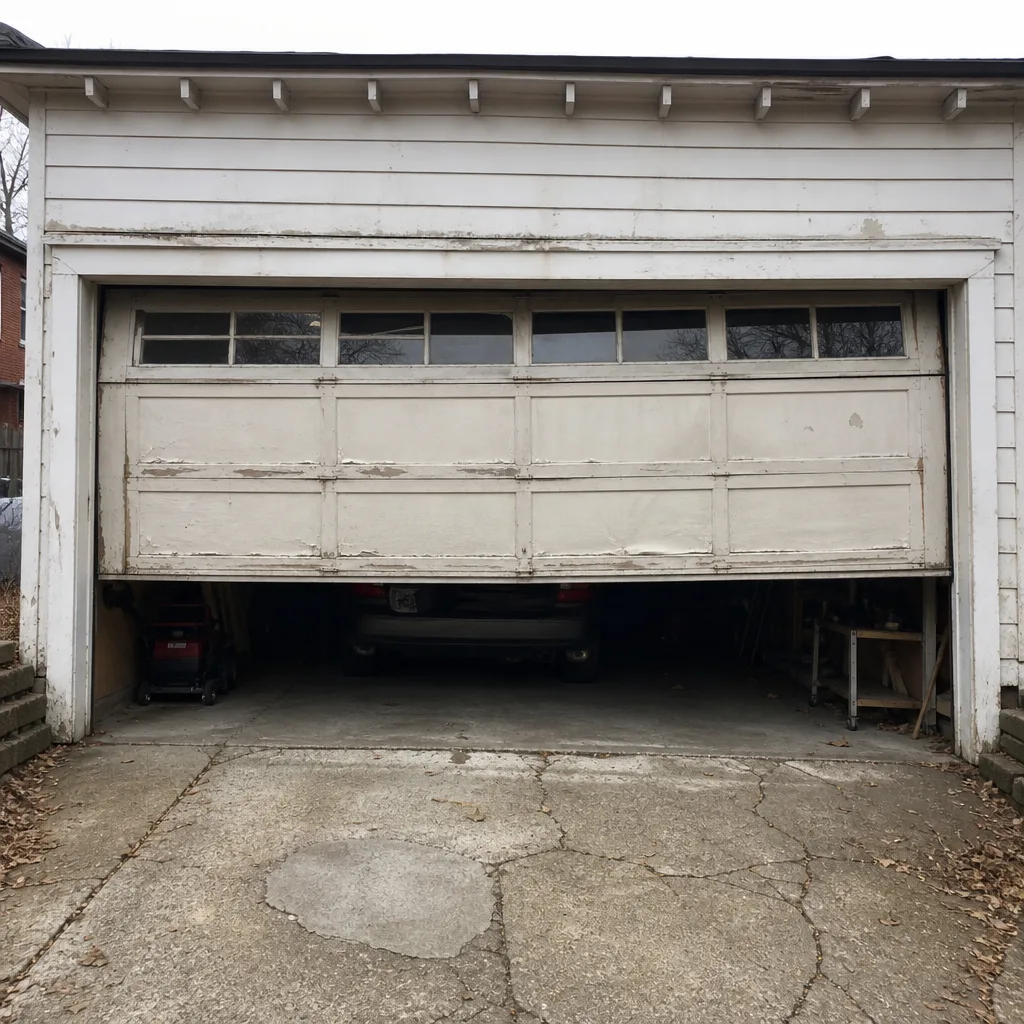 Before
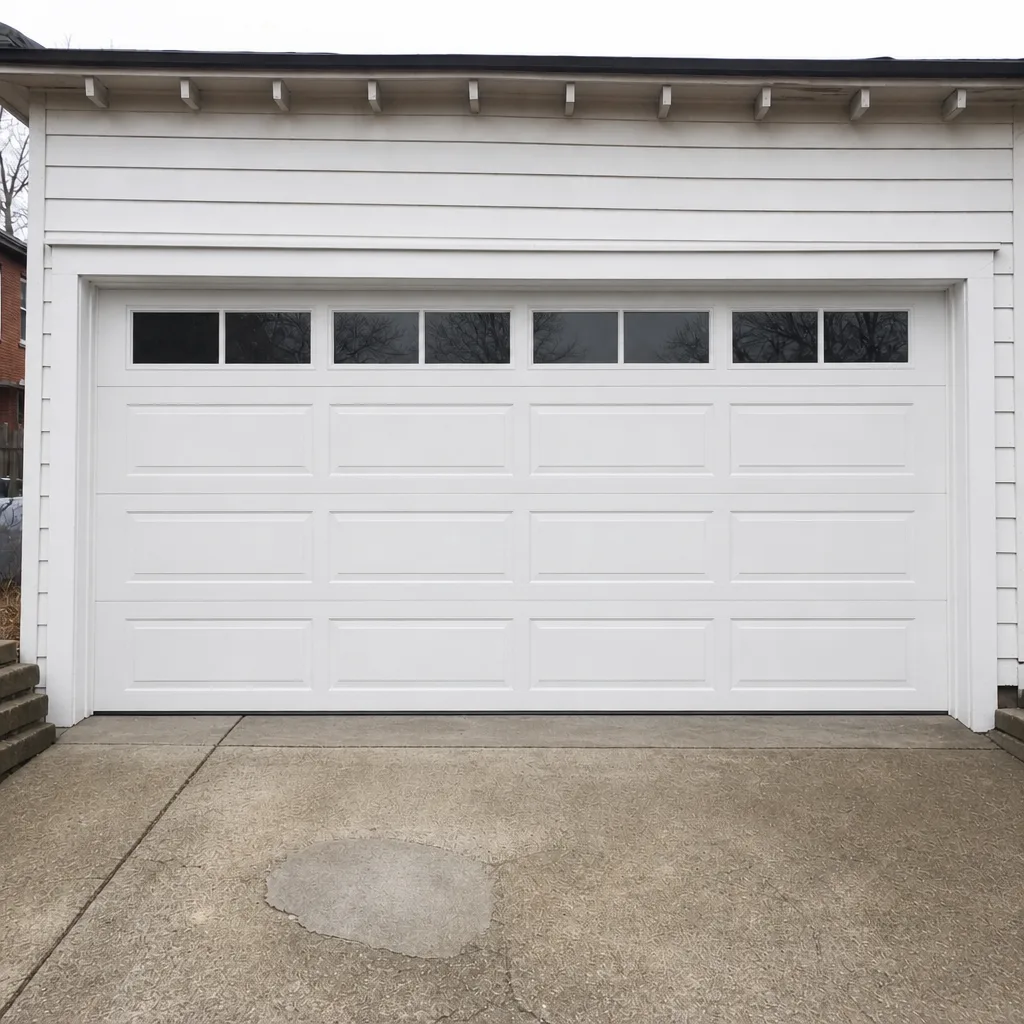 After
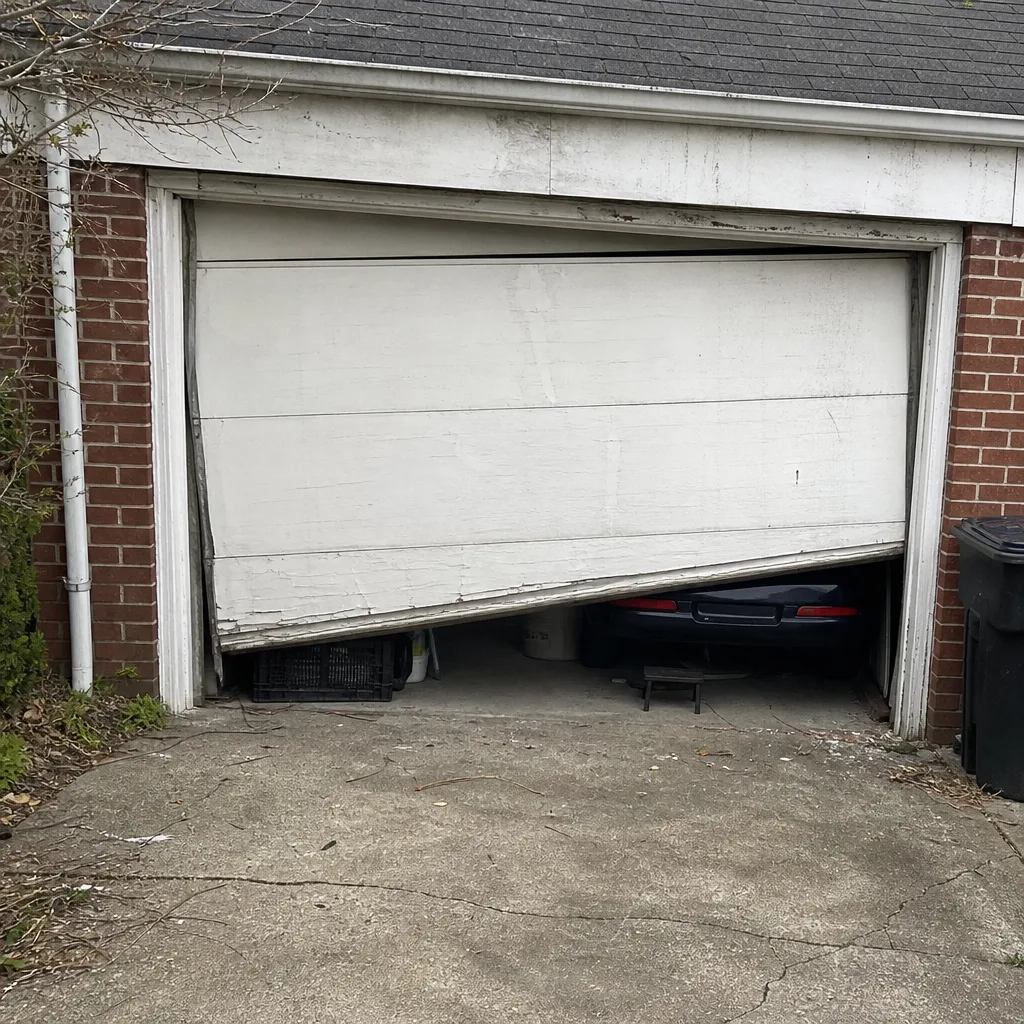 Before
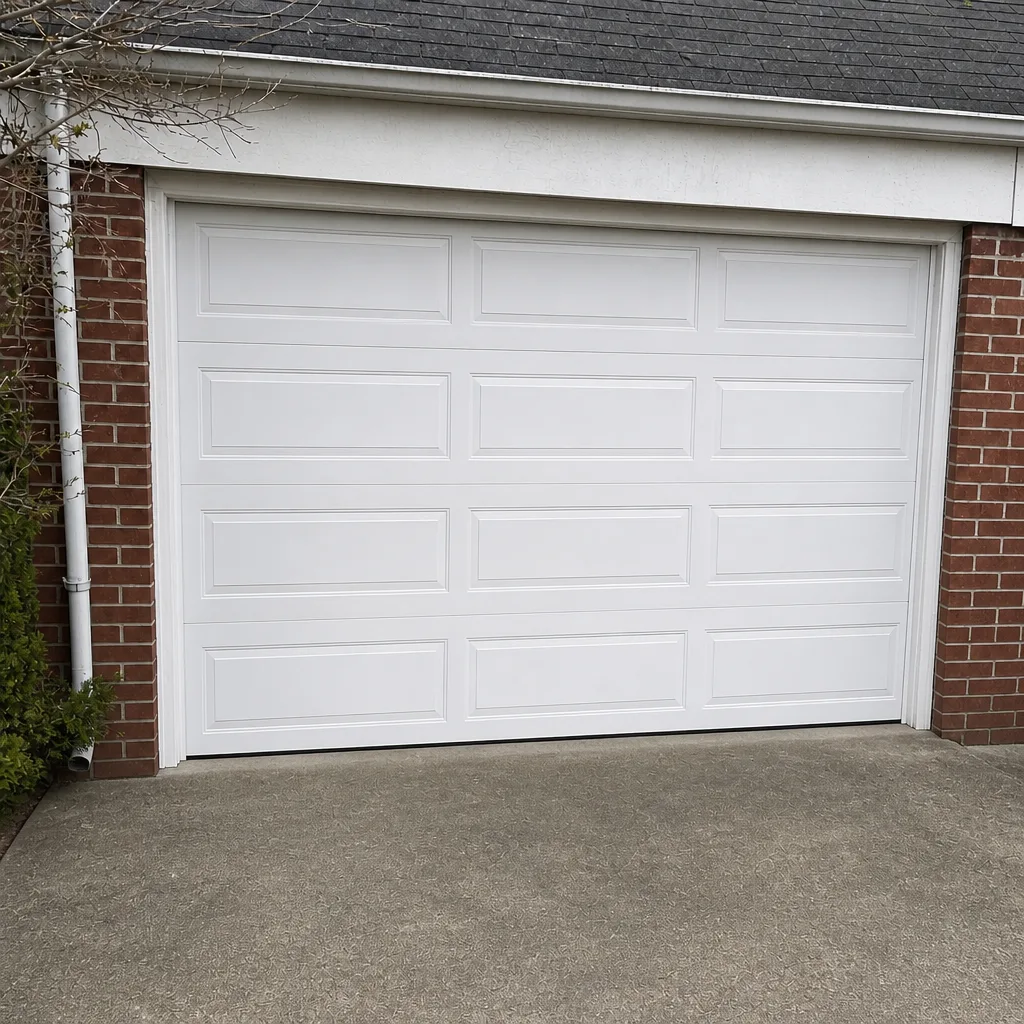 After
When to Call a Professional
Call a professional any time the symptom points to spring tension, cable drums, or a derailed door. Those three are where the stored energy lives and where an untrained attempt can cause real harm. Also call when the door is stuck open and you need the garage secured, when the opener stops working entirely, or when a door that was fine last week suddenly binds. A binding door nearly always gets worse, and the earlier a technician sees it, the smaller the repair tends to be. Garage Door Repair Petworth offers free estimates in Petworth – call (833) 509-3461 and we’ll diagnose by symptom, quote the work before it starts, and bring the right parts the first time.
Frequently Asked Questions
No. Torsion and extension springs hold the door’s full weight under stored tension, and a spring that slips during handling can cause serious injury. Spring replacement requires specific winding bars, correct technique, and the door’s weight fully controlled before anything is touched. Call a specialist for any spring work; a free estimate will tell you exactly what the repair involves.
Usually the photo-eye safety sensors are misaligned, dirty, or blocked, or the opener’s travel limit has drifted so the door “thinks” it has hit an obstacle. Clean and realign the lenses first. If the door still reverses, the limit switch needs recalibrating. If that doesn’t solve it, call (833) 509-3461 – estimates are free.
If the door feels evenly heavy from the first inch and you heard a bang at the start, it’s likely the spring. If the door lifts crooked from the beginning and a cable looks slack or off its drum, it’s the cable. Either one needs a technician. A free estimate in Petworth will confirm which before any work begins.
Grinding almost always points to worn steel rollers, dry hinges, or a bearing plate that’s lost lubricant – not the opener. Ignoring it lets a roller seize, which can throw the door off its track. Have a technician inspect the rollers and hardware. Call (833) 509-3461 for a free estimate.
Sometimes. If the panels are sound and the faults are isolated, repair is usually worth it. If panels are dented or rusted, or a wooden door has warped so its balance can’t be restored, replacement usually costs less over time. Our technicians have up to 10 years of experience to help you decide, and we can handle either the repair or the full installation.
Document the fault first: exactly where the door stops, what the noise sounds like, which side misbehaves, and the opener and door brands. That detail lets us quote accurately. The written estimate is confirmed before any work starts, so there are no surprises afterward. Call (833) 509-3461 for a free estimate.
The Bottom Line
Garage door problems aren’t random – each failure leaves a signature, and matching the symptom to the right component saves you from buying parts you didn’t need. Grinding means rollers. A bang means a spring. Crooked lift means a spring or cable drum. Reversal means sensors or travel limits. The rule that matters most: observation is safe, adjustment under tension is not. Spring and cable work belongs in trained hands, and in a Petworth rowhouse garage with tight clearances and a humid summer, slow changes are worth acting on early. Document the failure, call a specialist, and get the repair done right the first time.
Written by the team at Garage Door Repair Petworth.