Last updated November 21, 2026
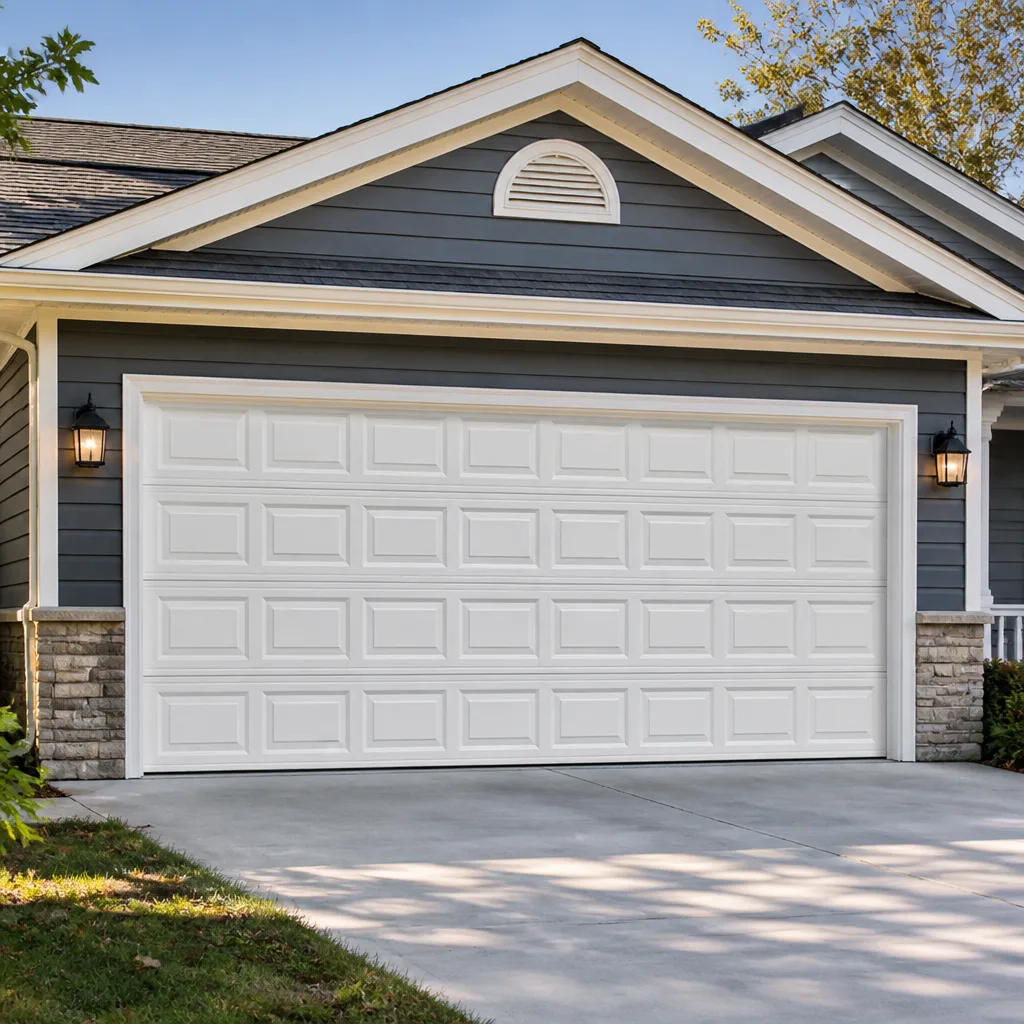 Raised-panel steel
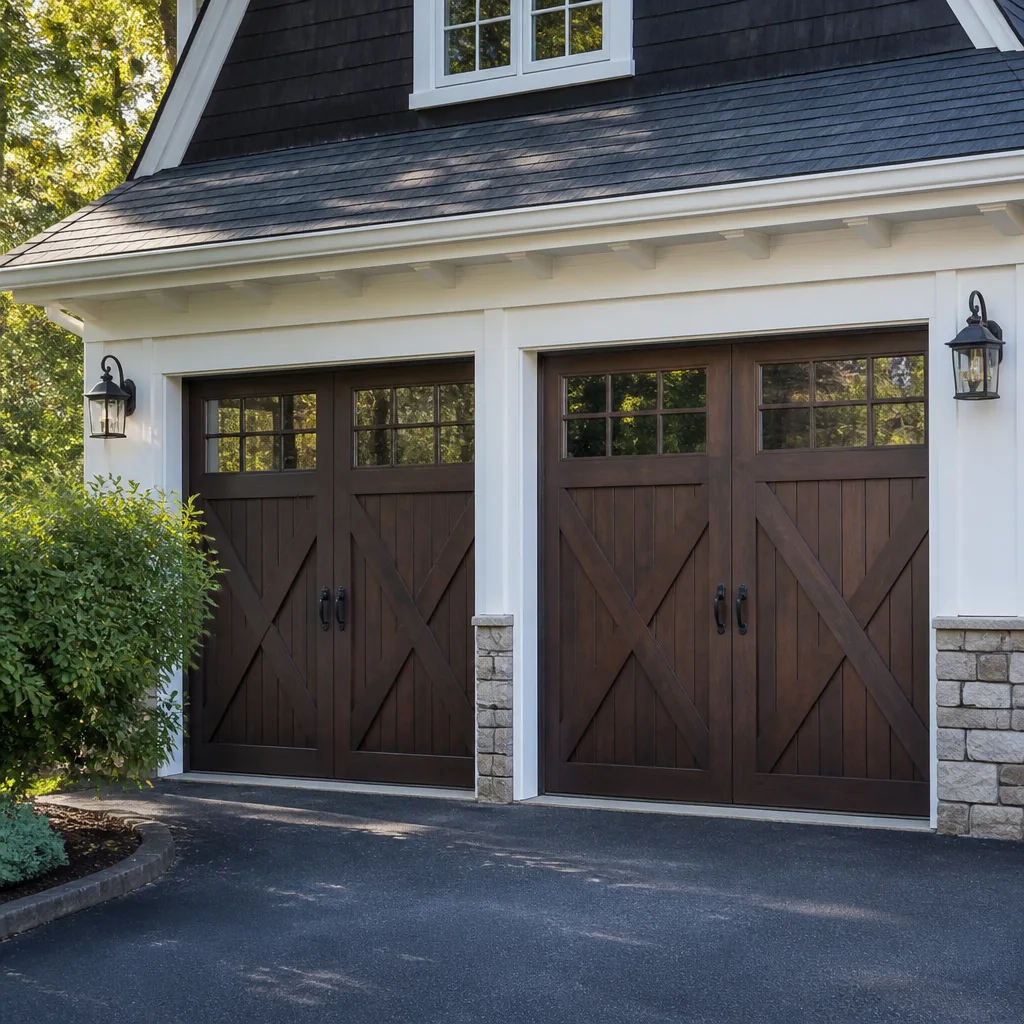 Carriage house
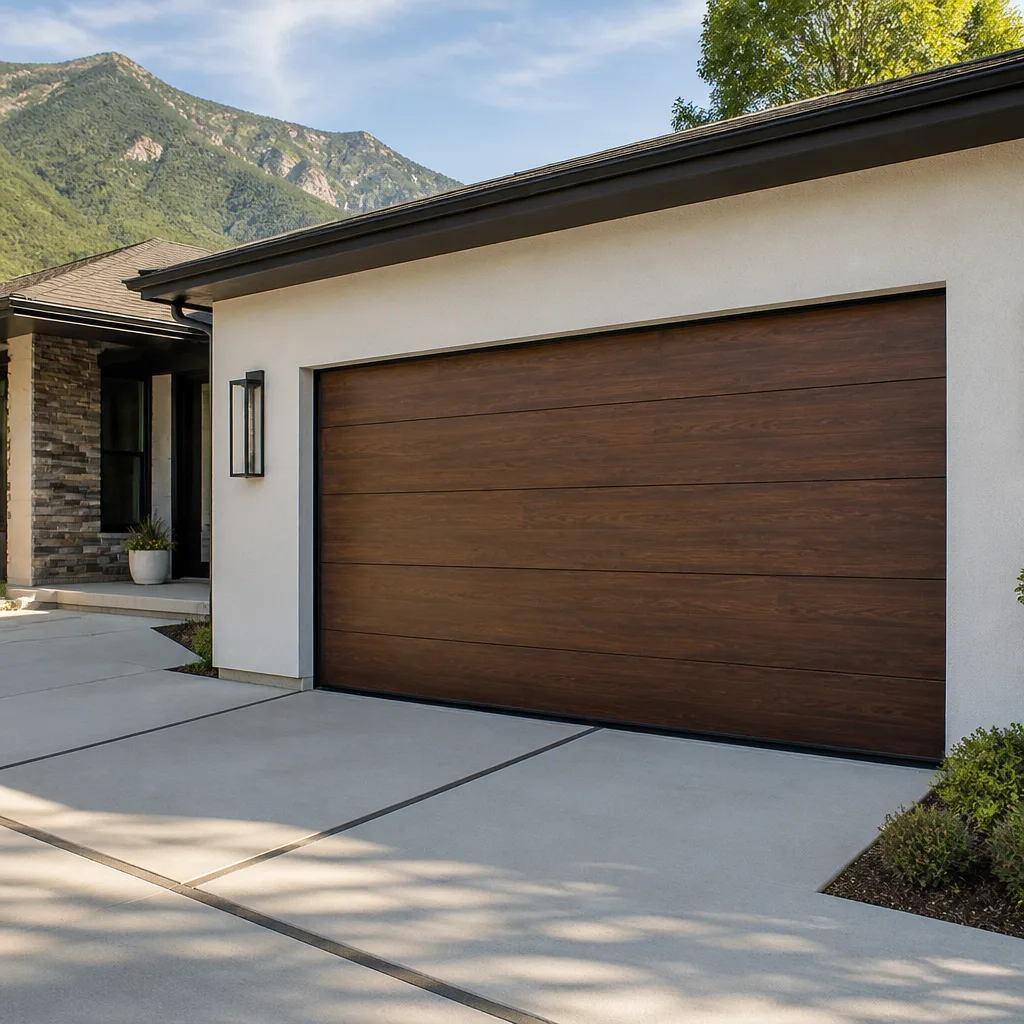 Modern flush
 Full-view glass
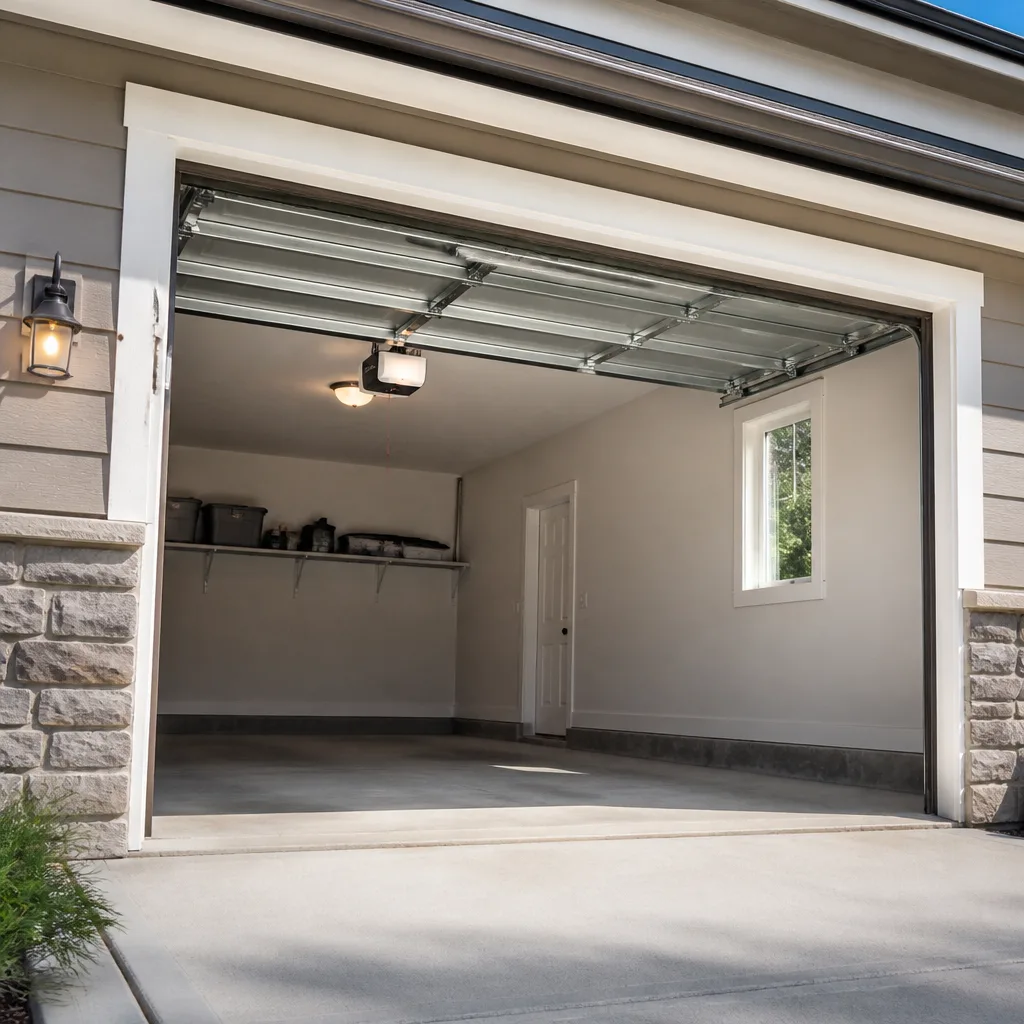 LiftMaster openers
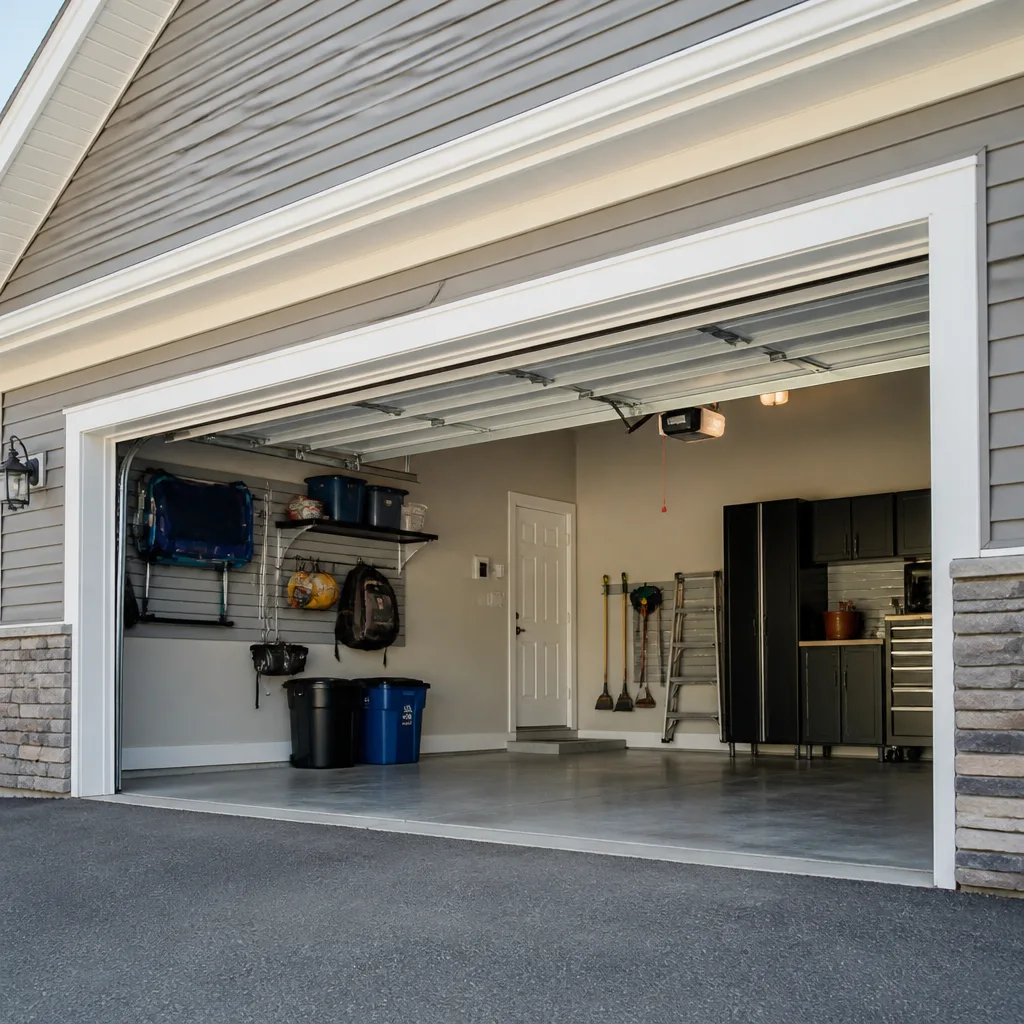 Chamberlain openers
Full 25-point door and opener safety check with every visit - springs, cables, rollers, tracks, and your LiftMaster or Chamberlain opener included
You get a price before we start. It does not change when the pro arrives.
Get your free estimateGarage Door Repair Maintenance Checklist for Petworth Homeowners
Most homeowners assume springs break because they get old. In our experience, the bigger culprit is a balance check nobody ever ran. A door that’s 10 lbs out of balance makes your opener work harder on every single cycle, quietly wearing out its drive system months before it should. That’s true on a Craftsman chain drive in a Petworth rowhouse and it’s true on a modern LiftMaster belt drive. The door hides it well. You only notice when something snaps. What follows is a checklist built around actual components rather than vague reminders, with brand-specific callouts for the equipment we see most often in Petworth homes so you’re checking what matters on your door.
Quick Answer
A solid garage door maintenance checklist for Petworth homeowners covers four things: a proper balance test, monthly lubrication of the right points on your specific spring system, a visual inspection of cables and drums, and a check of your opener’s travel limits as DC humidity shifts between seasons. Do the monthly items in five minutes, the twice-yearly items in twenty, and call a specialist the moment you see cable fraying, a bent track, or a door that won’t stay balanced. Everything in this guide is organized by component, not by calendar, so it works whether you have a Wayne Dalton Torquemaster or a torsion spring setup.
Styles & brands we work with
- Raised-panel steel
- Carriage house
- Modern flush
- Full-view glass
- LiftMaster openers
- Chamberlain openers
Table of Contents
- How to Run a Proper Balance Test (and What Passes)
- Lubrication Points That Differ by Spring System
- Cable and Drum Wear: What You Can See vs. What Needs a Technician
- Opener Travel Limits and DC Humidity Swings
- Weather Seals and Friction Changes Through the Year
- Brand-Specific Checks: Torquemaster, Amarr, Raynor and More
- A Realistic Service Interval Table
- Safety First: What Not to Touch
How to Run a Proper Balance Test (and What Passes)
A properly balanced door should hold its position when you stop it halfway open, and it should neither rise on its own nor drop. That’s the pass. The common advice that “it should stay up” is too vague to be useful. Here’s how to test correctly.
- Close the door fully and disconnect the opener using the manual release cord, so the door moves freely by hand.
- Lift the door to the halfway point and let go. It should stay put with no drift.
- Lift it to the three-quarter point and repeat. Drift of more than a few inches in either direction is a fail.
- Lower the door slowly and listen. Grinding, popping, or a door that lifts heavily on one side signals a spring or cable issue.
- Reconnect the opener only after the door has passed. A door that fails should stay disconnected until a technician inspects it.
Balance is a spring tension question, and spring tension is where things get brand-specific. A standard torsion spring setup on a Petworth rowhouse door is adjusted with winding bars at the torsion tube. A Wayne Dalton Torquemaster system uses a completely different mechanism with enclosed springs that adjust differently. You don’t want to guess at either. A 10 lb imbalance might not feel dramatic, but on a door that cycles several times a day, that extra load adds up on the opener’s drive gear and motor. If you’re not sure whether your door passes, a free estimate from a specialist can settle it in minutes. We cover the specifics on our garage door repair page. Running this test every few months is the single most valuable thing on this checklist.
Lubrication Points That Differ by Spring System
Lubrication matters, but the wrong product in the wrong place does more harm than good. This is the section where generic checklists fail Petworth homeowners most often. A torsion spring system and a Wayne Dalton Torquemaster setup have different lubrication requirements, and using the wrong lubricant on Torquemaster components can void the warranty on those parts. Always check your door’s manual before you spray anything.
Torsion Spring Systems
- Hinges: a light lubricant on each hinge pivot point.
- Rollers: lubricate the bearing, not the roller face or the track. Lubricant on the track attracts grit and creates friction.
- Springs: a purpose-made garage door lubricant on the coil, never grease or oil.
- Bearings and the torsion tube: a small amount on the bearing plates, not the winding components.
Wayne Dalton Torquemaster Systems
The Torquemaster encloses its springs inside a tube, so the coil itself isn’t a lubrication target the way an exposed torsion spring is. The hinges, rollers, and bearings still get attention, but you follow Wayne Dalton’s guidance on the spring tube, and you don’t lubricate inside it. This is exactly the kind of detail that separates a real checklist from a generic one. If your door carries a Wayne Dalton label and you’re unsure, ask before you spray. A properly maintained door runs quieter and puts less strain on the opener, which is where the real savings show up over time.
Cable and Drum Wear: What You Can See vs. What Needs a Technician
Cables and drums are where the most serious failures start, and they’re also where homeowners can do the most useful visual checking. You can spot cable problems without touching anything. Some drum issues need measurement a trained eye can do reliably and yours can’t.
What Homeowners Can Spot
- Fraying: any visible broken strands, kinks, or a “birdcage” section in the cable. Stop here and call us.
- Uneven cable tension: one cable noticeably looser than the other, or a door that lifts crookedly on one side.
- Cable riding off the drum: the cable should sit neatly in the drum groove. A cable climbing over itself is a fail.
- Rust or discoloration: premature rust on cables can signal moisture issues in an unheated Petworth garage.
- Drum wear grooves: a visibly worn groove where the cable sits, or a drum that looks off-center.
What Requires a Technician
Cable tension measurement and drum wear tolerances need tools and, more importantly, an understanding of how much tension is normal for your specific door. Cables are under extreme load, and a cable that snaps under tension is dangerous. Never try to adjust, remove, or re-seat a cable yourself. The same goes for inspecting a drum’s interior wear. In our experience, a Petworth door that lifts unevenly or hesitates on one side is almost always telling you a cable or drum is compromised. A specialist can measure it properly and match a replacement cable to your door weight and brand. That’s the difference between a safe repair and a gamble.
Opener Travel Limits and DC Humidity Swings
Opener travel limits are the points at which your door stops going up and stops going down. When the limits drift, the door stops short, or worse, hits the floor and reverses. In Petworth’s humid summers and dry winter air, wood door panels swell and contract, and that changes the effective travel distance. Doors that were set perfectly in the fall can start hitting the floor by August. LiftMaster and Chamberlain openers both have travel limit adjustments, and both benefit from a seasonal recheck.
- Watch the door close fully. It should meet the floor without slamming or leaving a gap.
- Watch it open fully. It should stop at a consistent height with no strain.
- Test the safety reverse. Place a solid object like a roll of paper towels on the floor where the door closes. The door should reverse on contact.
- Test the photo-eye safety sensors. Break the beam with your hand while the door is closing. It should reverse immediately.
- Check the opener’s force settings only if your manual spells out how. On LiftMaster and Chamberlain units, force adjustments that mask a mechanical problem make things worse.
If your door changes its stopping point month to month with no adjustment, that’s not just a humidity issue. It usually means a spring is losing tension or a cable is loose. DC’s humidity swings make Petworth a place where checking travel limits twice a year pays off. The seal and panel movement expose these problems early, and catching them early is why the checklist works. If your opener is the problem rather than the door, that’s a job for garage door opener repair.
Weather Seals and Friction Changes Through the Year
Weather seals are the first line of defence against moisture, drafts, and the friction that puts extra load on your opener. A worn bottom seal lets cold air and water in, and that moisture reaches the cables and the door’s lower hardware. Petworth’s swings between humid summers and colder winters make seal wear more visible than in milder climates. Check the bottom seal quarterly by running your hand along it and looking for cracks, gaps, or a seal that has hardened to the point it no longer flexes. Look at the side seals too, especially on wood doors where panels can bow over a single season.
Friction is the other half of this. When seals stiffen, when rollers dry out, when tracks get gritty, the door runs less smoothly and the opener compensates. That compensation is the quiet wear that shortens parts’ lives. Lubricating the right points on schedule and replacing stiff seals at the first sign of cracking keeps friction low. If your door is noisy, it’s usually telling you that a seal or a roller needs attention rather than the motor itself. For help with a door that’s running rough, our Garage Door Repair Petworth team is one call away.
Brand-Specific Checks: Torquemaster, Amarr, Raynor and More
The single biggest improvement you can make to this checklist is to know which doors and openers you actually own. Spring tension specs, lubrication points, and balance tolerances vary meaningfully between brands, and a checklist that ignores yours is largely guesswork. Our technicians are factory-familiar with eight major brands: LiftMaster, Chamberlain, Genie, Clopay, Amarr, Wayne Dalton, Craftsman, and Raynor. We work on the brand you already have, and knowing the equipment is half the job.
- Wayne Dalton Torquemaster: enclosed springs, different lubrication rules, and a warranty that punishes the wrong products. Never assume a torsion spring procedure applies.
- Amarr: most Amarr doors use standard torsion setups, so normal roller and hinge maintenance applies. Balance and drum wear still need checking every six months.
- Raynor: many Raynor doors pair with their own opener hardware. Check the opener brand before you buy a replacement part so you get a match.
- Craftsman openers: commonly found in Petworth homes and often paired with older doors. They respond well to travel limit rechecks but hide mechanical problems behind working sensors.
- Clopay doors: panel and seal wear is the main issue, especially on wood-look steel models. Check panel alignment after every season change.
Being a specialist means knowing these differences before we arrive at a door. A generalist has to figure it out on-site. If your garage door is at the end of its service life and you’re weighing repair against replacement, our garage door installation service covers all major brands and doesn’t require a second company.
A Realistic Service Interval Table
Here’s the short version, built to be checked against the calendar rather than a feeling. Monthly checks take a few minutes. Twice-yearly checks take twenty. The rest is a call-to-action list.
| Check | Frequency | What You’re Looking For |
|---|---|---|
| Visual scan of cables, springs, and track | Monthly | Fraying, kinks, bent track, sagging door |
| Lubrication of hinges and rollers | Monthly | Dry or noisy pivot points; avoid roller faces and tracks |
| Balance test | Twice a year | Door holds position at halfway and three-quarter points |
| Travel limit and safety reverse test | Twice a year | Door meets floor without slamming; reverses on contact |
| Weather seal inspection | Quarterly | Cracking, gaps, or a stiff bottom seal |
| Cable and drum visual check | Twice a year | Cable riding off cone; drum wear; off-center drum |
| Opener force and limit recheck | Twice a year | Consistent stopping points; no masking of mechanical faults |
These intervals suit a typical Petworth rowhouse where the door cycles several times a day. If your household cycles the door more often, tighten the monthly items to every three weeks. What triggers an immediate call regardless of the calendar: a snapped spring, a cable that’s come off the drum, a door that won’t stay balanced by more than a few inches, a bent track, or an opener that reverses on its own mid-travel. Our technicians bring up to 10 years of experience to those calls, and our emergency garage door service exists for exactly those situations where security or access can’t wait.
Safety First: What Not to Touch
This checklist is written so you can complete it safely, which means some items are off-limits. Torsion and Torquemaster springs, cables, and any tension-bearing component are dangerous to work on without training and the right tools. A spring under tension can cause serious injury when it releases, and a cable under load can snap without warning. Do not attempt to wind a spring, remove a cable, or adjust drum tension. Limit yourself to the visual checks, the lubrication, the safety reverse test, and the balance test by hand. If anything on your door fails a check, disconnect the opener and call a trained professional. This is a responsibility we take seriously, and it’s why spring repair is a dedicated specialty rather than a side job.
Common Mistakes to Avoid
- Skipping the balance test because the door “feels fine.” A door that opens by hand or by opener can still be 10 lbs out of balance. The damage happens quietly on the drive system.
- Spraying lubricant on the track. Lubricant on the track gathers grit and creates the friction you’re trying to prevent. Lubricate the roller bearings and hinges, not the track surface.
- Using a generic lubricant on a Wayne Dalton Torquemaster. The enclosed spring tube has its own requirements, and the wrong product can void a warranty on those parts.
- Adjusting opener force settings to “fix” a door that sticks. Raising force to mask a mechanical problem on a LiftMaster or Chamberlain only buys a little time before the drive gear wears.
- Ignoring a cable that rides over itself on the drum. That’s a fail, not a cosmetic issue. It gets worse, and it gets dangerous.
- Assuming a stiff door is a motor problem. In Petworth’s humidity, a door that groans is usually a seal, roller, or balance issue, not the opener.
- Not knowing your brand before buying a part. A Craftsman replacement won’t fit a Raynor or Genie opener. Confirm the brand first.
See the difference
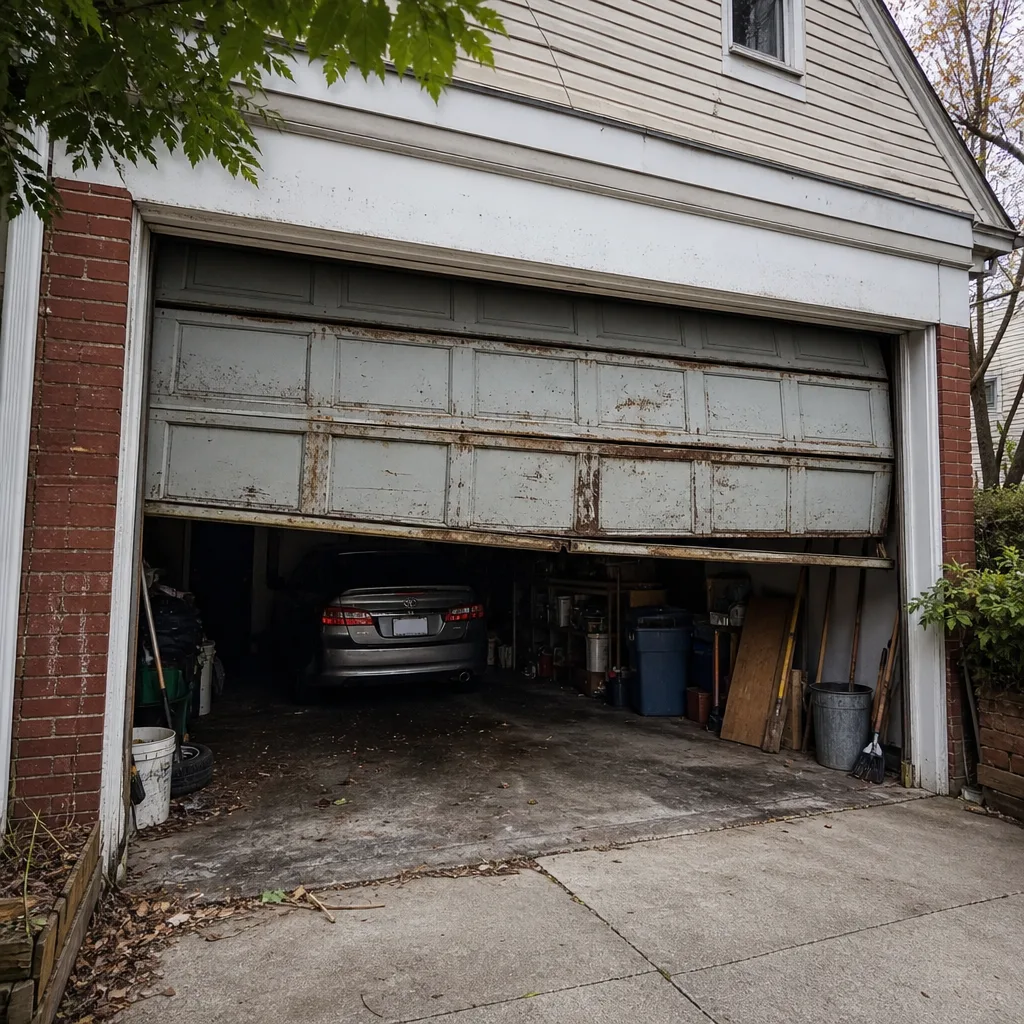 Before
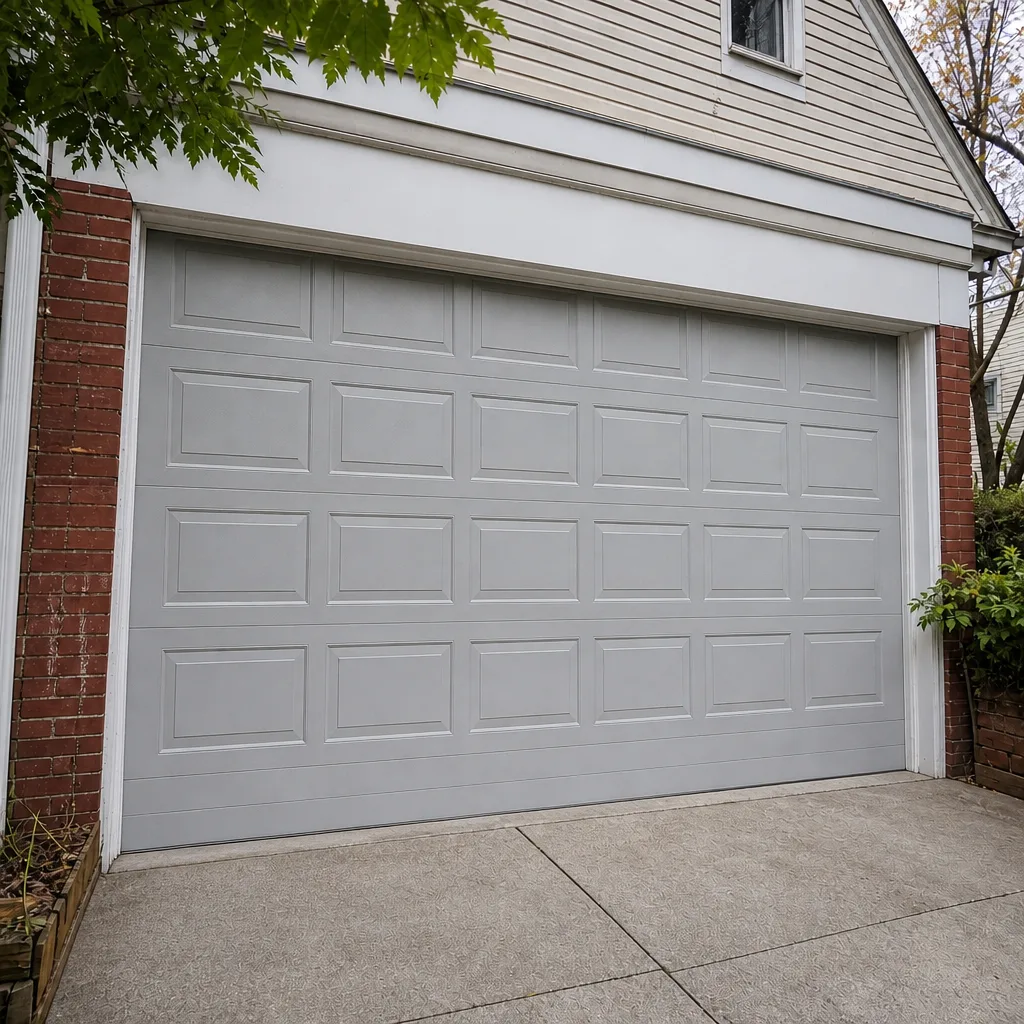 After
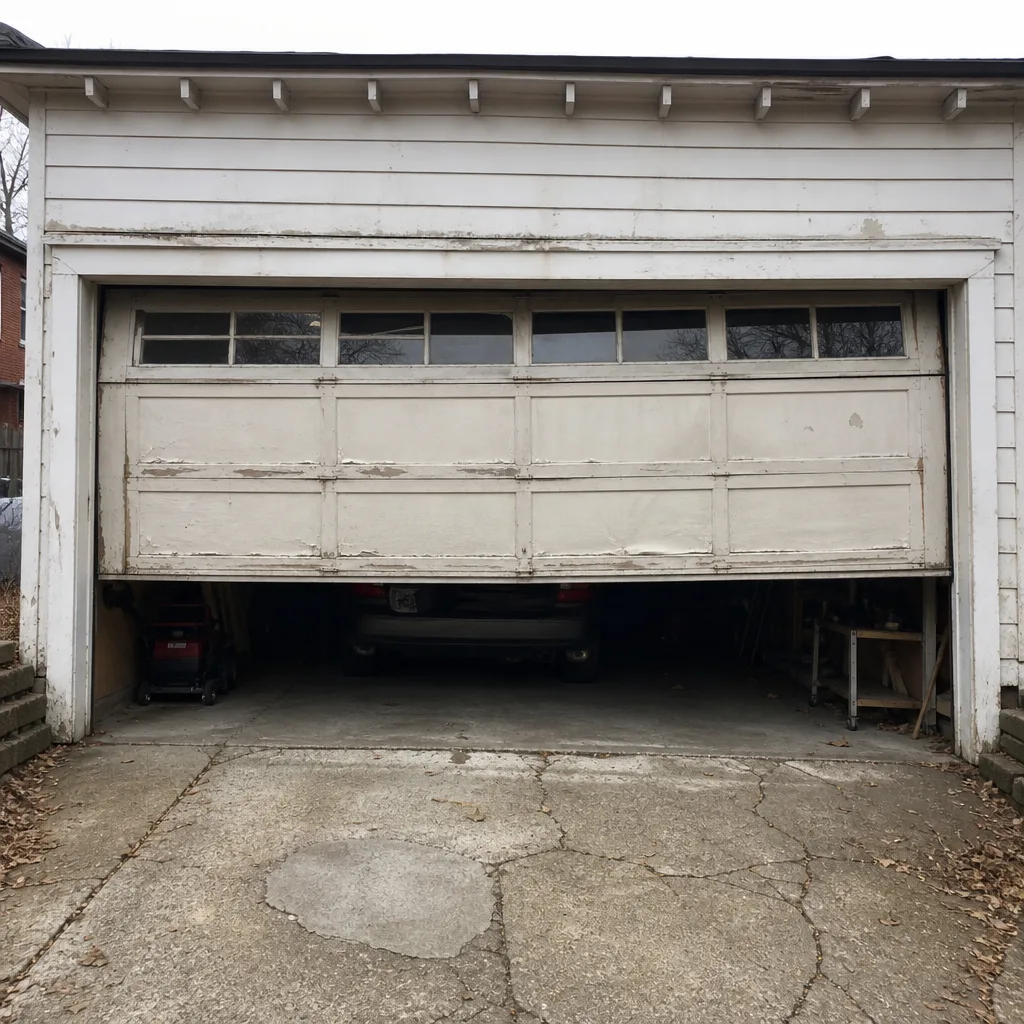 Before
 After
 Before
 After
When to Call a Professional
Call a specialist the moment you see a frayed cable, a drum with a worn groove, a door that leans unevenly, or a spring that has snapped. Call when your opener reverses on its own, when the door stops short of the floor, or when a balance test fails by more than a few inches. Call before you change a door or opener part you haven’t identified. Call if you’re not sure what you’re looking at. Garage Door Repair Petworth offers free estimates in Petworth, and we quote and agree on the price before any work starts. Call (833) 509-3461. We work on the brand you already have, or we’ll tell you what it needs if that brand isn’t one we cover.
Frequently Asked Questions
Twice a year for the balance test, travel limits, and a full visual inspection, with monthly lubrication of hinges and roller bearings. Petworth’s humidity swings make twice-yearly rechecks more important than in a steadier climate. Call (833) 509-3461 for an exact quote on a full service check.
Disconnect the opener with the manual release and stop the door at the halfway point. It should hold position with no drift; a drift of more than a few inches is a fail. A door that rises or drops on its own needs a technician before it gets worse.
A torsion spring system has exposed coils you lubricate with a purpose-made garage door lubricant and adjust with winding bars. A Torquemaster encloses its springs in a tube with different lubrication rules, and using the wrong product on that system can void the warranty on those parts. Check your manual before you spray.
Yes, for the hinges, roller bearings, and standard torsion spring coils using a purpose-made garage door lubricant. Never lubricate the track or the roller face, and never lubricate inside a Torquemaster tube. Springs, cables, and drums are off-limits to DIY entirely.
No, the written estimate you agree to is the price. We inspect the door, quote the work, and won’t start until you’ve approved the number. Call (833) 509-3461 for a free estimate, and we’ll confirm the work and the cost before we touch the door.
For an emergency where the door is stuck open or fully inoperable, we offer emergency garage door service and will do our best to work with you on the timing. Call (833) 509-3461 and let us know what your door is doing. Estimates are free, and we won’t start work until the price is agreed.
A groan that isn’t caused by rollers is usually friction from a stiff weather seal, a dry hinge, or a door that’s slightly out of balance and writing against the track. Check the seal and the balance test first. If the noise has a grating or metallic quality, book a technician.
We connect you with local professionals who are licensed and insured as their state requires, and our technicians bring up to 10 years of experience to every job. We’re factory-familiar with eight major garage door and opener brands. Call (833) 509-3461 for a free estimate.
The Bottom Line
A maintenance checklist only works if it’s specific to your door. Run the balance test twice a year, keep the right lubrication off the track and off Torquemaster internals, and recheck travel limits as DC humidity shifts. Watch the cables for fraying and drums for wear you can actually see. What you can’t see, you don’t touch. Cables, springs, and drums are a specialist’s job, and the lead time you save by catching problems early is real. Our technicians have up to 10 years of experience, and our single-trade focus means every job is a garage door job.
When you’re ready for a proper maintenance check, call (833) 509-3461 for a free estimate. We quote and agree on the price before any work starts, and we work on the brand you already have.
Written by the team at Garage Door Repair Petworth.