Last updated November 21, 2026
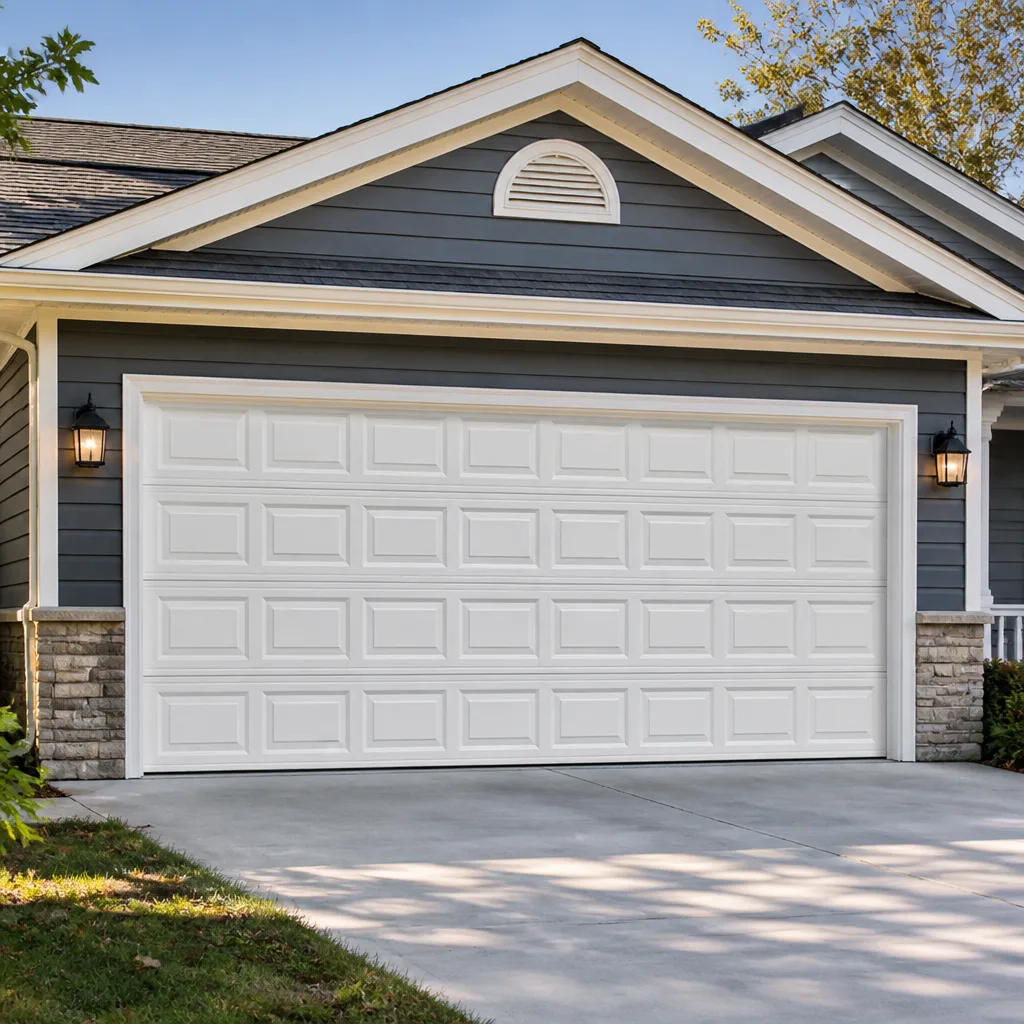 Raised-panel steel
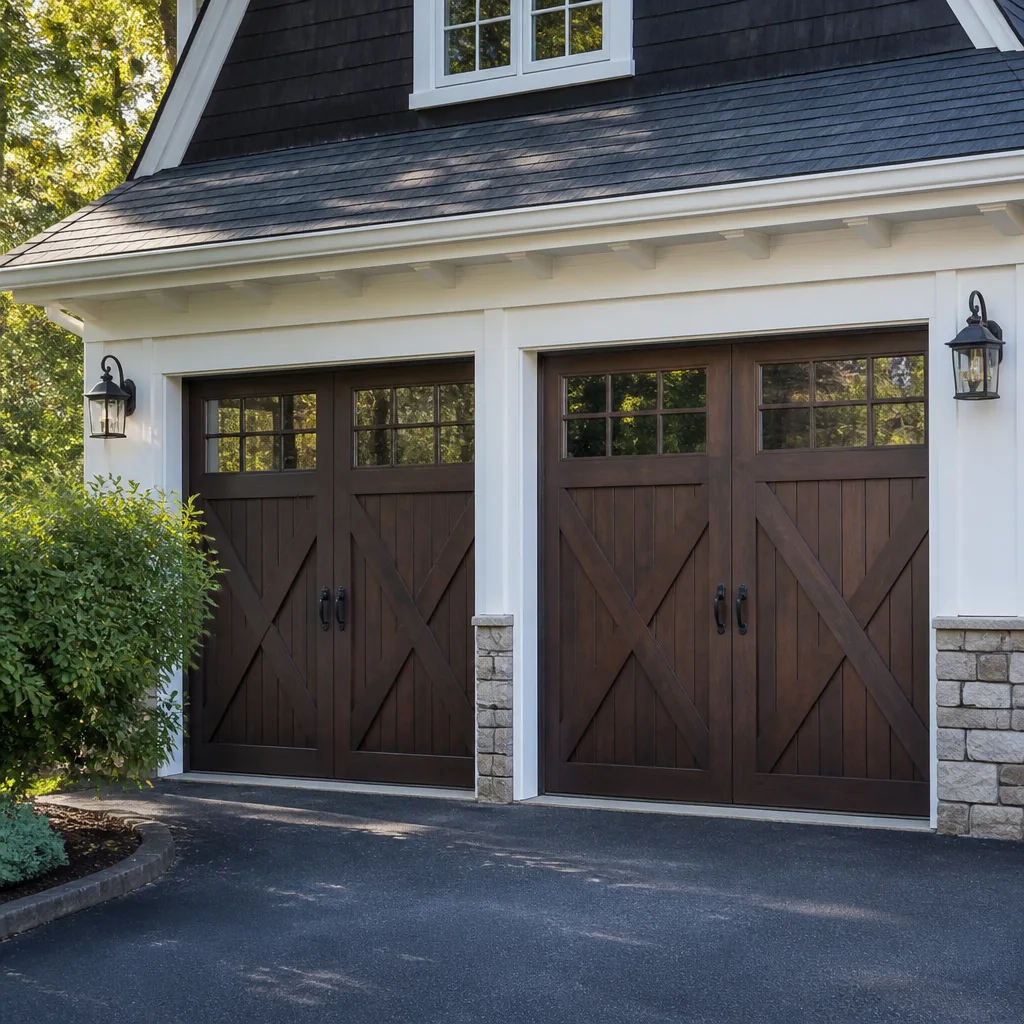 Carriage house
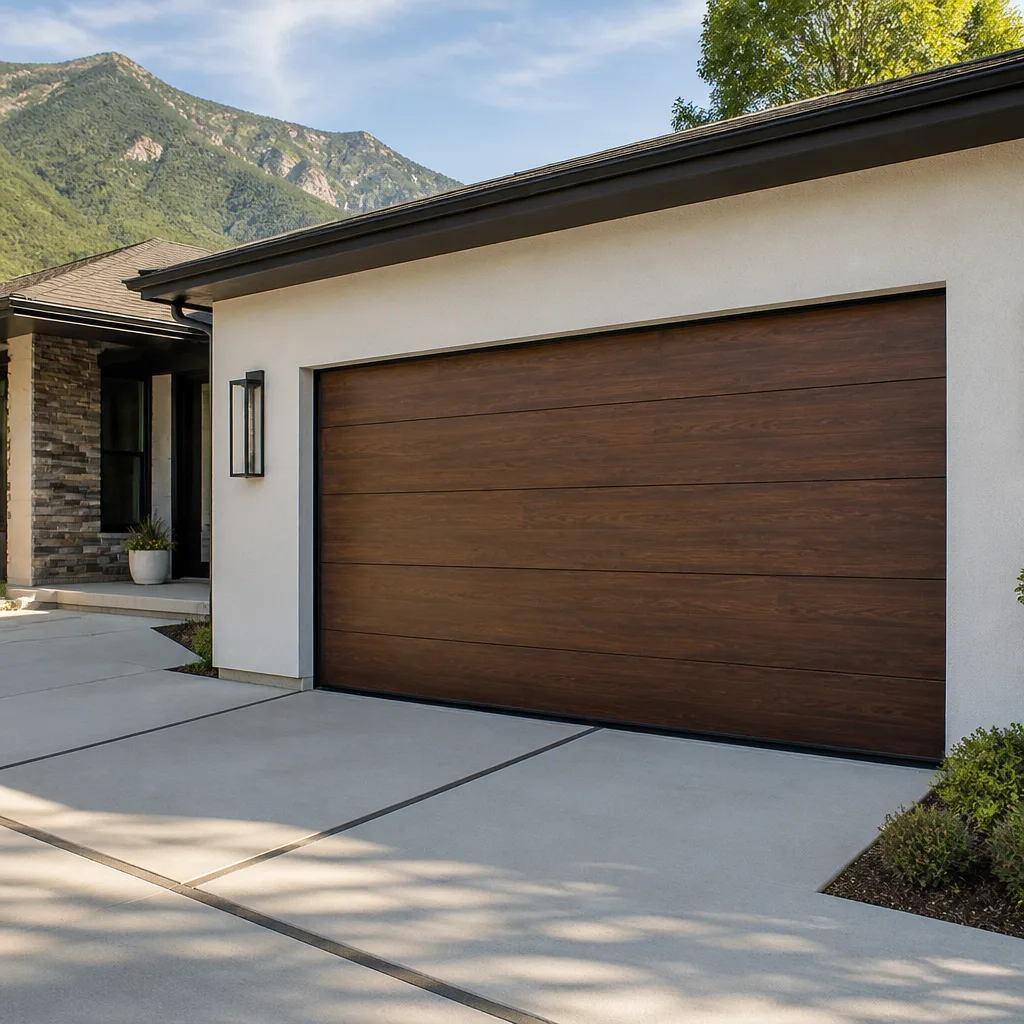 Modern flush
 Full-view glass
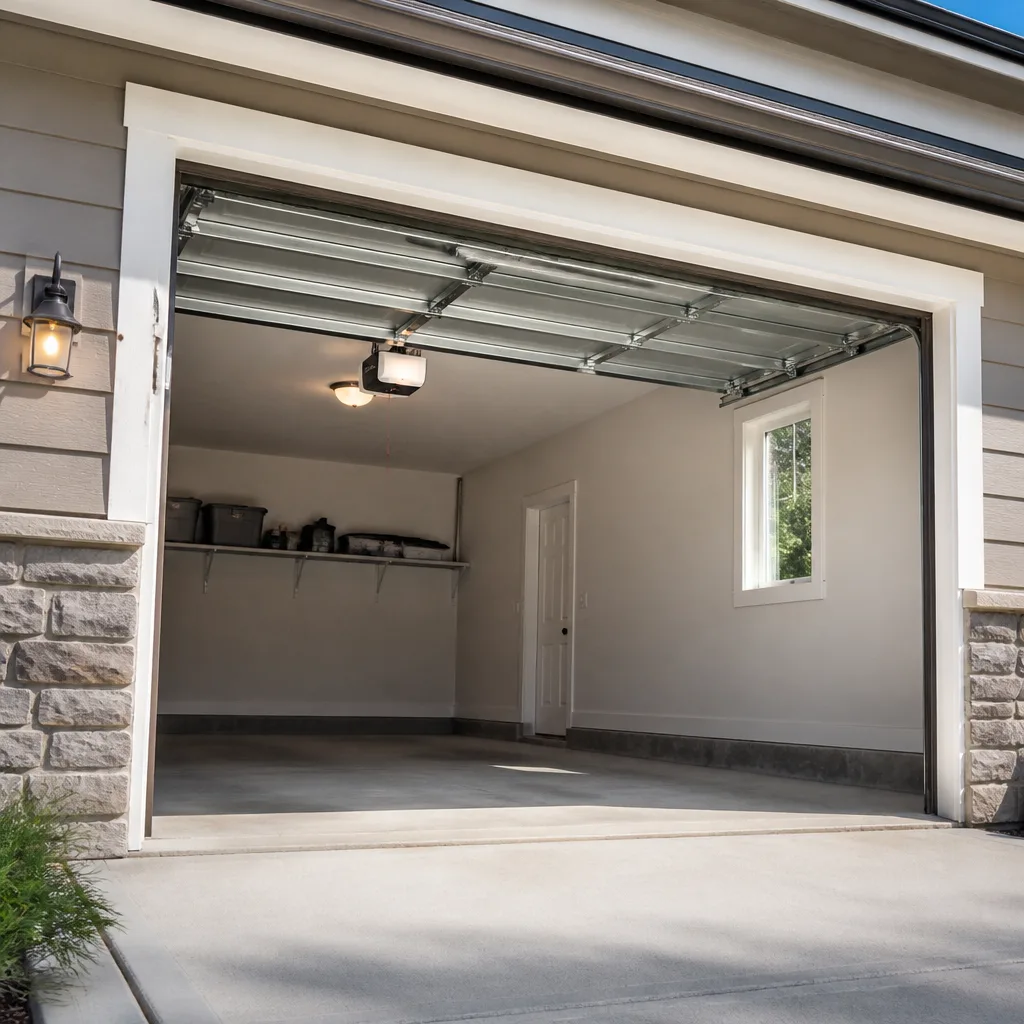 LiftMaster openers
 Chamberlain openers
Full 25-point door and opener safety check with every visit - springs, cables, rollers, tracks, and your LiftMaster or Chamberlain opener included
You get a price before we start. It does not change when the pro arrives.
Get your free estimateGarage Door Repair Maintenance Schedule: What to Do and When
Torsion springs don’t expire on a date. They wear out after a set number of cycles, typically around 10,000 for a standard residential spring, and a door that runs four times a day will reach that limit years before a door that runs once. That single fact breaks most maintenance advice you’ll find, because a calendar-based checklist treats every component as if it ages at the same rate. Springs, rollers, cables, hinges and openers all wear on different timelines, and skipping the right task at the right interval is what turns a small adjustment into a bigger repair. This guide lays out a maintenance schedule built around component life rather than seasons, written from our work across Petworth and the surrounding DC neighborhoods.
Quick Answer
Maintain a garage door by tracking use, not just the calendar: lubricate moving metal every few months, inspect rollers, hinges and cables monthly, and have a technician check spring tension, balance and opener force once a year. Springs are rated in cycles (about 10,000 for standard torsion springs), so estimate your daily opens and close to know roughly where you are in their service life. Homeowners can handle cleaning, lubrication and visual checks; springs, cables and opener force adjustments belong to a trained technician.
Styles & brands we work with
- Raised-panel steel
- Carriage house
- Modern flush
- Full-view glass
- LiftMaster openers
- Chamberlain openers
Table of Contents
- Why Component Lifespans Beat Calendar Checklists
- Monthly Owner Tasks: The 10-Minute Walkaround
- The Annual Technician Visit: What We Check and Why
- The Lubrication Mistake Almost Everyone Makes
- How Petworth’s Humidity Swings Affect Your Hardware
- Building a Service Log for Insurance and Resale
- What You Should Never Touch Yourself
- When Maintenance Stops Being Enough
Why Component Lifespans Beat Calendar Checklists
Every part on your door has a wear clock, and most of those clocks count cycles, not months. A cycle is one full open and one full close. If your household leaves in the morning, comes home at night, and runs an errand or two, you’re likely looking at four to six cycles a day. That’s roughly 1,500 to 2,000 cycles a year.
Here’s how the main components compare on that clock:
- Torsion springs: standard residential springs are typically rated around 10,000 cycles. At 1,800 cycles a year, that’s about five to six years of typical use. Households with heavy daily use get there faster.
- Nylon rollers: usually good for many thousands of cycles, but they develop flat spots and noisy bearings long before they fail outright.
- Steel rollers: durable but louder; they wear at the bearing, not the wheel.
- Cables: no published cycle rating, because condition matters more than count. Fraying, kinks and rust are the warning signs.
- Openers: gears and drive components wear with use, and opener force settings drift as the door’s hardware loosens.
So the honest way to schedule maintenance is to count your cycles first. Note how many times the door runs on a normal day, multiply by 365, and write the number down. Any technician who services your door in Petworth can use that figure to estimate where your springs sit in their service life, which is far more useful than guessing from the install date.
Monthly Owner Tasks: The 10-Minute Walkaround
Most of what keeps a door reliable is something you can see and hear in ten minutes. Do this walkaround once a month, ideally at the same time so it becomes habit. It’s the homeowner half of the schedule, and it catches nearly every problem while it’s still small.
- Listen first. Open and close the door and stand still. Grinding, squealing or a rhythmic thump each point to a different component: grinding suggests rollers or bearings, squealing suggests dry hinges or spring coils, thumping suggests a loose panel or a worn roller.
- Look at the springs. From a safe distance, check the torsion spring above the door or the extension springs along the sides. A visible gap in a torsion spring means it has broken. Never reach up to test it by hand.
- Check the cables. Eyeball the cables running down each side for fraying, kinks, or a slack line. A slack cable on one side means something has shifted and the door needs professional attention.
- Wiggle the rollers and hinges. With the door closed, gently test each hinge and roller for looseness. Loose hinge plates rattle and wear the panel holes wider over time.
- Test the balance. Disconnect the opener (pull the release cord with the door closed), lift the door halfway by hand, and let go. A well-balanced door stays put. One that drops or rises on its own is out of balance.
- Test the safety reverse. Put a small block of wood in the door’s path and close it. The door should reverse on contact. If it doesn’t, stop using the opener until it’s adjusted.
That’s the whole monthly list. If any step turns up something you’re not sure about, that’s the point to book a professional inspection rather than keep running the door and hope.
The Annual Technician Visit: What We Check and Why
The annual visit exists because some tasks genuinely require training, the right tools, and an understanding of how the whole system loads against itself. Springs are under extreme tension, opener force settings need measured adjustment, and balance problems often trace back to a combination of small faults rather than one obvious one. This is where the line between owner tasks and professional tasks sits, and it’s not arbitrary.
A thorough annual service covers:
- Spring tension and cycle estimate. We measure the door’s weight, check both springs for even tension, and give you a realistic read on remaining life based on your cycle count.
- Cable and drum inspection. Cables are checked for fraying at the drum and along their run, and drums for wear at the groove.
- Roller and hinge assessment. Worn rollers get identified by type and condition, and hinges checked for elongation in the panel holes.
- Track alignment and fastener torque. Tracks drift out of plumb with building movement and get re-aligned, and loose lag bolts get re-torqued.
- Opener force and travel adjustment. Force settings are checked against the door’s actual resistance and re-set so the safety reverse works reliably. This matters on LiftMaster and Chamberlain units as much as on older Genie and Craftsman models.
- Weather seal and bottom threshold. Worn bottom seals let water and cold air in and are a common source of drafts in Petworth rowhouse garages.
One visit a year is the right cadence for most households. If your door runs more than about eight cycles a day, ask for a six-month check instead. For standalone repairs between visits, our garage door repair service handles anything the walkaround turns up.
The Lubrication Mistake Almost Everyone Makes
The single most common lubrication error we see is spraying WD-40 on the springs and calling it maintenance. WD-40 is a solvent-based penetrant, not a lubricant. It strips existing grease, flashes off quickly, and leaves metal drier than it started. On a torsion spring that means more friction between coils and faster wear. On rollers and hinges it attracts dust that turns into grit.
What to use instead, and where:
- Springs, hinges and bearing plates: a white lithium grease or a dedicated garage door lubricant. A thin coat on the coil surface is plenty. Don’t over-apply; excess grease collects dust.
- Rollers: a few drops of light oil on the bearing, not the wheel surface. Nylon rollers generally need less than steel ones.
- Tracks: nothing. Tracks should stay dry and clean. Lubricant in the track mixes with dust and creates a paste that drags on the rollers.
- Opener rail and chain: follow the manufacturer’s guidance. Chain-drive units take a light chain lubricant; belt-drive units usually need none.
Lubricate springs, hinges and bearings about every three to four months, or more often if your door sees heavy use. It’s a five-minute job that measurably extends component life. Just never do it while the door is moving, and never put your hands anywhere near the springs themselves.
How Petworth’s Humidity Swings Affect Your Hardware
DC’s summers are humid and its winters are dry and cold, and that swing puts real stress on garage door hardware. In summer, moisture in the air settles on cold steel and starts surface rust on hinges, fasteners and track brackets. In winter, heated indoor air pulls humidity down and wood components shrink slightly. Then summer comes back and they swell. Over several years, that cycle shows up as sticking panels, warped wood door sections, and rusted hinge pins that seize.
In Petworth’s older rowhouses especially, where garages are often attached or tucked under the building, the humidity swings tend to be sharper than in a detached garage, because the space shares walls with the house. A few practical responses:
- Wipe down rust-prone hardware with a light oiled cloth after humid stretches.
- Keep the bottom seal in good shape so ground moisture stays outside.
- Check wood door panels for warping each spring and fall, and note any section that’s started to bow.
- Run a dehumidifier in an attached garage during the muggiest weeks if the space allows it.
If you’re noticing sticking or warping, a technician can tell you whether it’s a hardware issue or a door that’s nearing the end of its service life. In our experience across Petworth, most of these cases turn out to be rusted hinges and worn rollers rather than a failing door.
Building a Service Log for Insurance and Resale
A simple written log does two things: it helps you (and any technician) understand exactly where your components sit in their service life, and it gives you documented proof of maintenance if you ever need it for an insurance claim or a home sale. It takes about a minute per entry.
Set up a notebook or a spreadsheet with these columns:
- Date of the task or service.
- Cycles since last entry (or a running total if you track daily opens).
- What was done: lubrication, visual inspection, professional service, repair.
- Parts replaced, with brand and model where known.
- Technician notes: for example, “springs at roughly 60% of cycle life” or “right cable showing minor fray.”
- Cost, for your own records.
Keep receipts and any written estimates alongside the log. When you sell a home in Petworth, a documented maintenance history is a genuine selling point, since buyers and their inspectors look closely at anything mechanical. And when you call for service, the log lets the technician skip the guesswork and go straight to what’s likely to need attention.
What You Should Never Touch Yourself
Some parts of a garage door are genuinely dangerous, and it’s worth being blunt about which ones. Torsion springs store enormous energy. When one fails, it fails suddenly and with enough force to cause serious injury. Cables under tension can whip when released. The bottom bracket that anchors the cable is a known pinch and crush hazard.
Leave these to a trained professional:
- Any work on torsion or extension springs, including adjusting tension or replacing a broken spring.
- Cable replacement or adjustment.
- Bottom bracket and drum work.
- Opener force and travel re-adjustment if you’re not confident with the manual, because a badly set force limit defeats the safety reverse.
- Track re-alignment on a door that’s under load.
What’s left for you is cleaning, lubrication, visual inspection and testing the safety reverse. That’s the safe list, and it covers a lot of ground. For anything on the other list, a professional is the right call. Our garage door opener repair service covers the opener side of these tasks, and spring work is a dedicated specialty for us precisely because it’s the repair most often mishandled.
When Maintenance Stops Being Enough
Maintenance extends life, it doesn’t extend it forever. There comes a point where keeping a door running costs more than it’s worth, and knowing the signs saves you from throwing money into the wrong door.
Signs the door is past maintenance:
- Repeated spring failures. If you’ve replaced springs more than once in a short span, the door’s weight or balance may be off, or the wrong spring rating may be installed.
- Panel damage that can’t be sourced. A dented or rotted section becomes a problem when the door model is discontinued and no matching panel exists.
- Persistent balance problems after adjustment. A door that won’t stay balanced despite professional tuning usually has structural issues in the panels or track.
- Opener failures becoming frequent. An opener that keeps failing on a door that’s otherwise healthy may be undersized for the door’s weight.
When a repair stops making sense, our garage door installation service covers replacement doors from Clopay, Amarr, Wayne Dalton and Raynor, so you don’t need a second company. And for the full installation side of the business, from measuring to hanging the new door, you can read more on our Garage Door Repair Petworth page.
Common Mistakes to Avoid
- Maintaining by season instead of by use. A door running six cycles a day wears out years before one running once. Track your cycles, not your calendar.
- Spraying WD-40 on the springs. It strips grease and leaves metal dry. Use a white lithium or dedicated garage door lubricant instead.
- Lubricating the tracks. Tracks should stay clean and dry. Grease in the track collects dust and creates drag.
- Ignoring the safety reverse test. A door that doesn’t reverse on contact is a hazard, especially with kids or pets around, and it’s a two-minute monthly check.
- Pulling on a spring to “test” it. Springs are under extreme tension. Testing them by hand is how people get hurt. Look, don’t touch.
- Skipping the annual check because “it’s working fine.” Worn rollers and drifting opener force are easy to miss until they fail. The annual visit catches what a walkaround can’t.
- Replacing a door component without a full balance check. If one roller or spring is failing, the rest of the system usually needs a look too, and in Petworth’s older rowhouse garages the whole door assembly often needs a combined review.
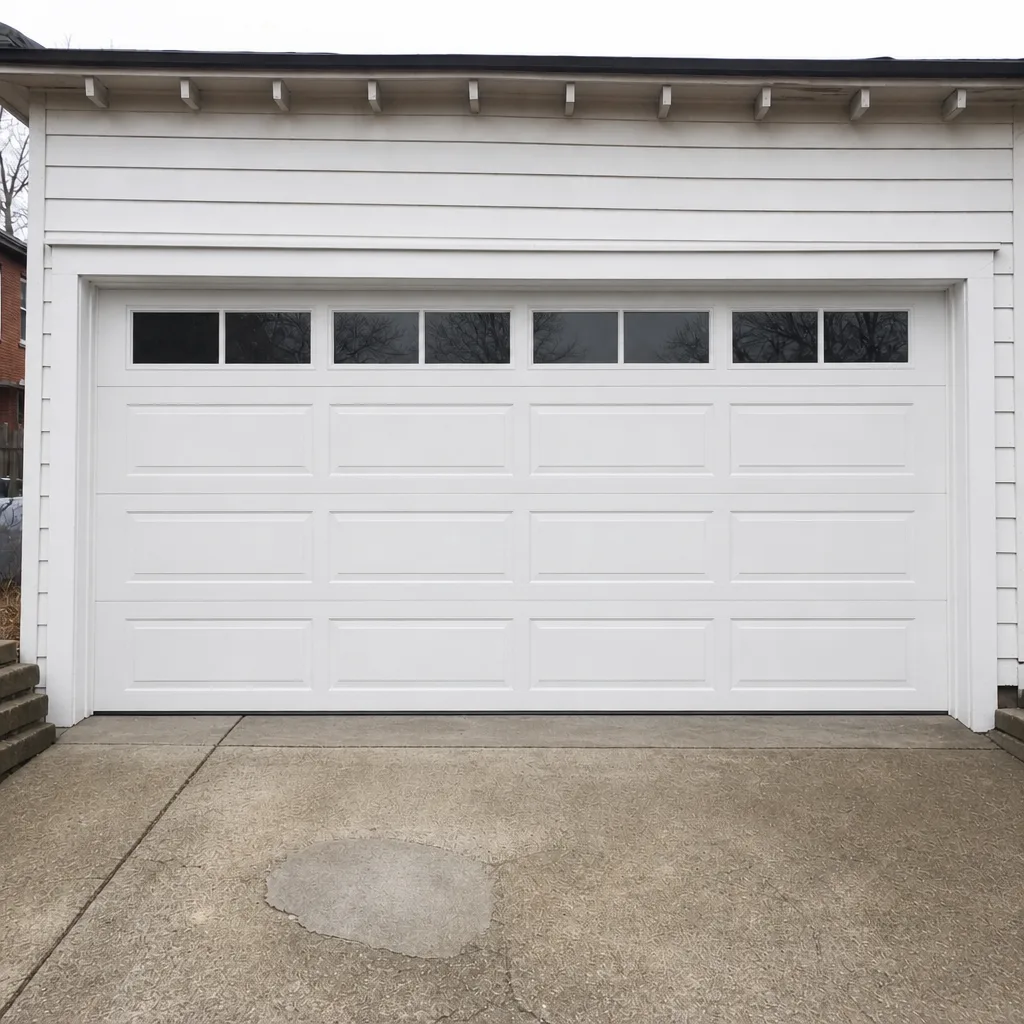
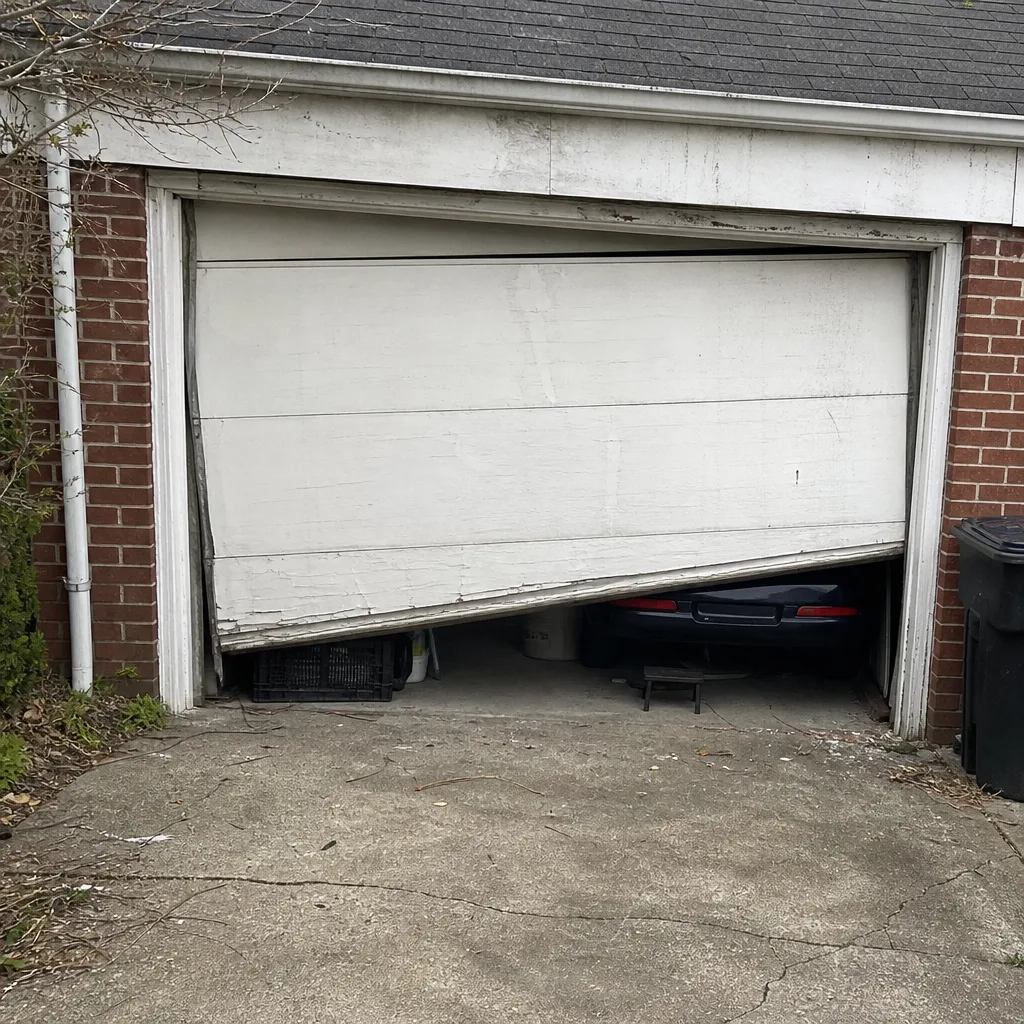
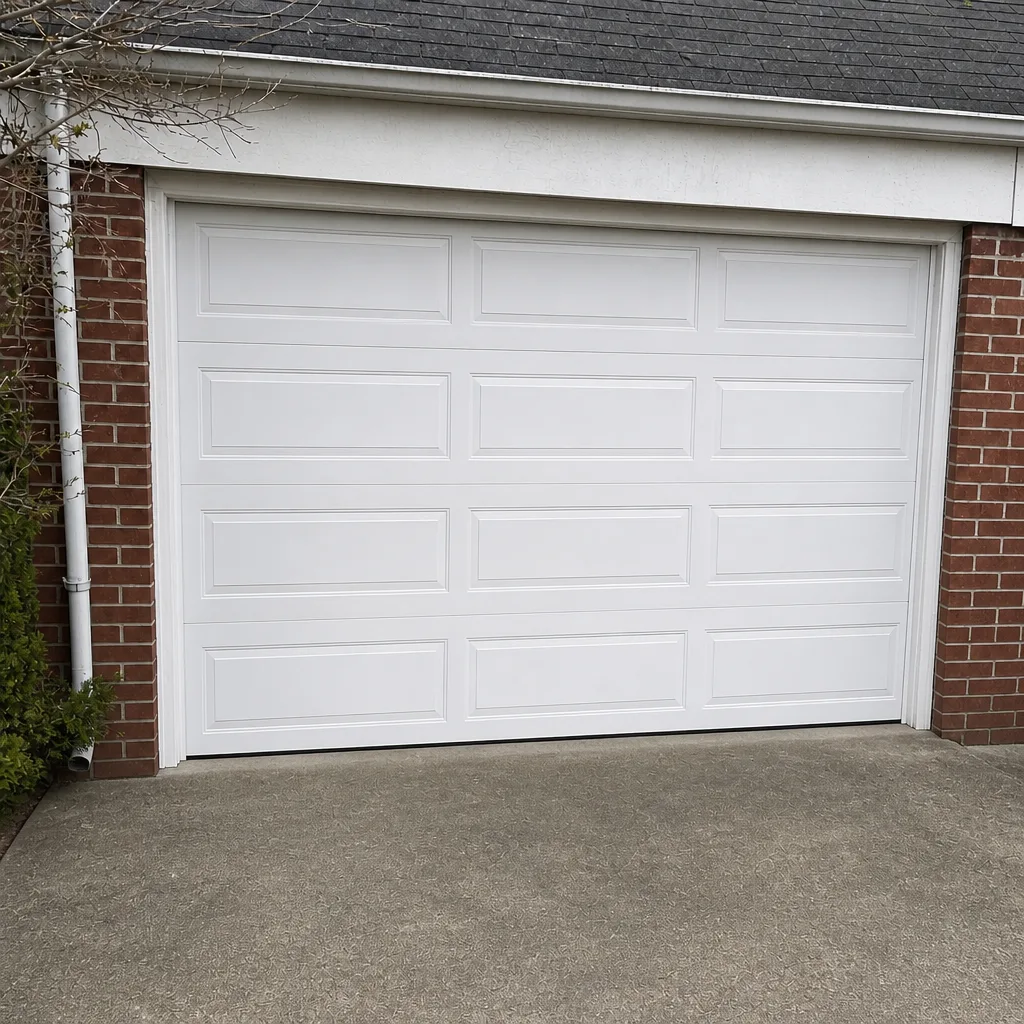
See the difference
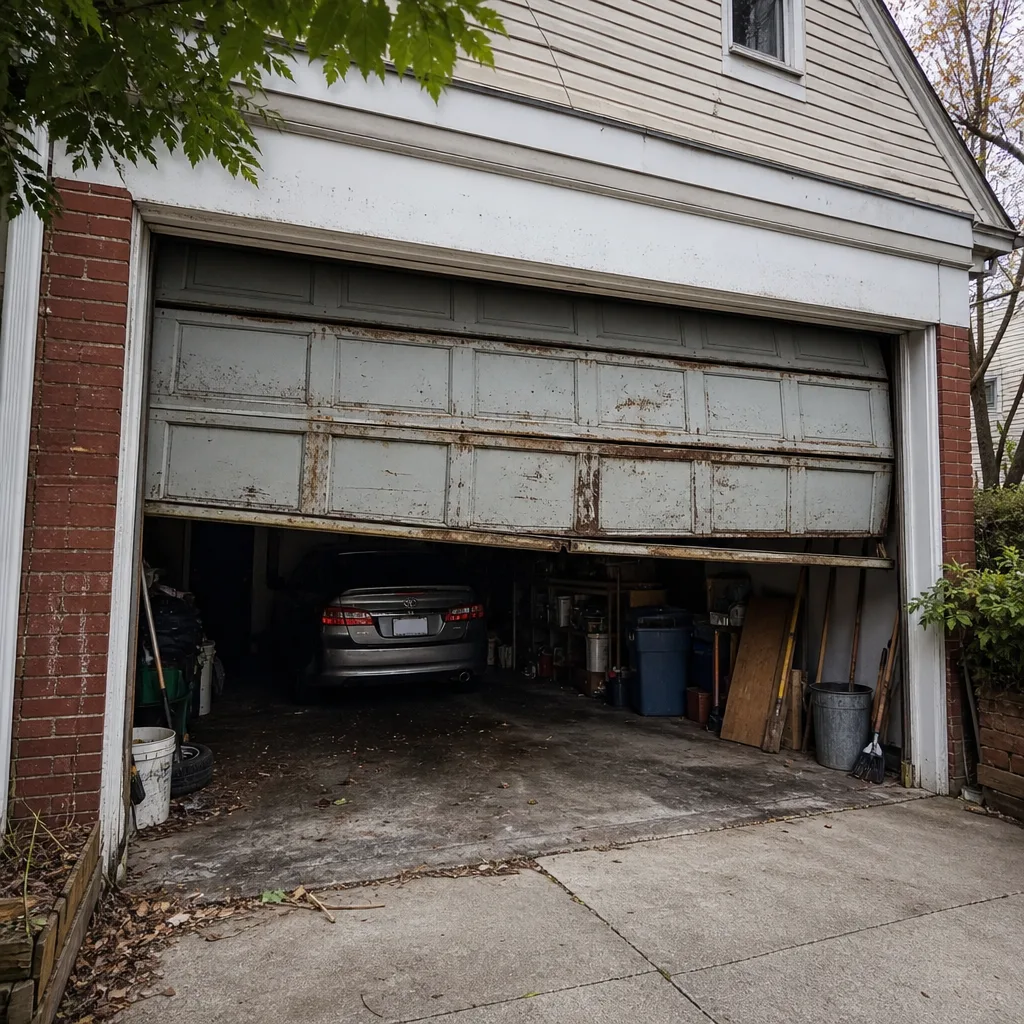 Before
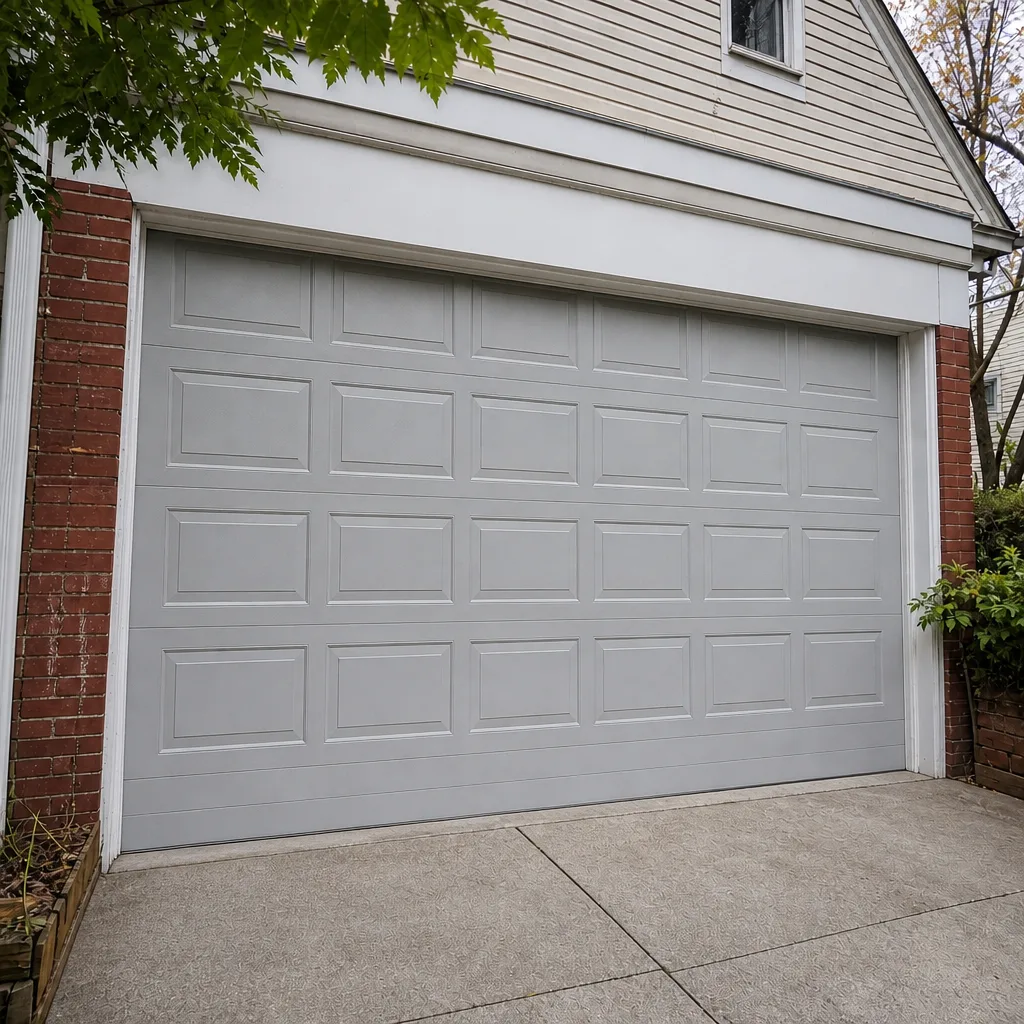 After
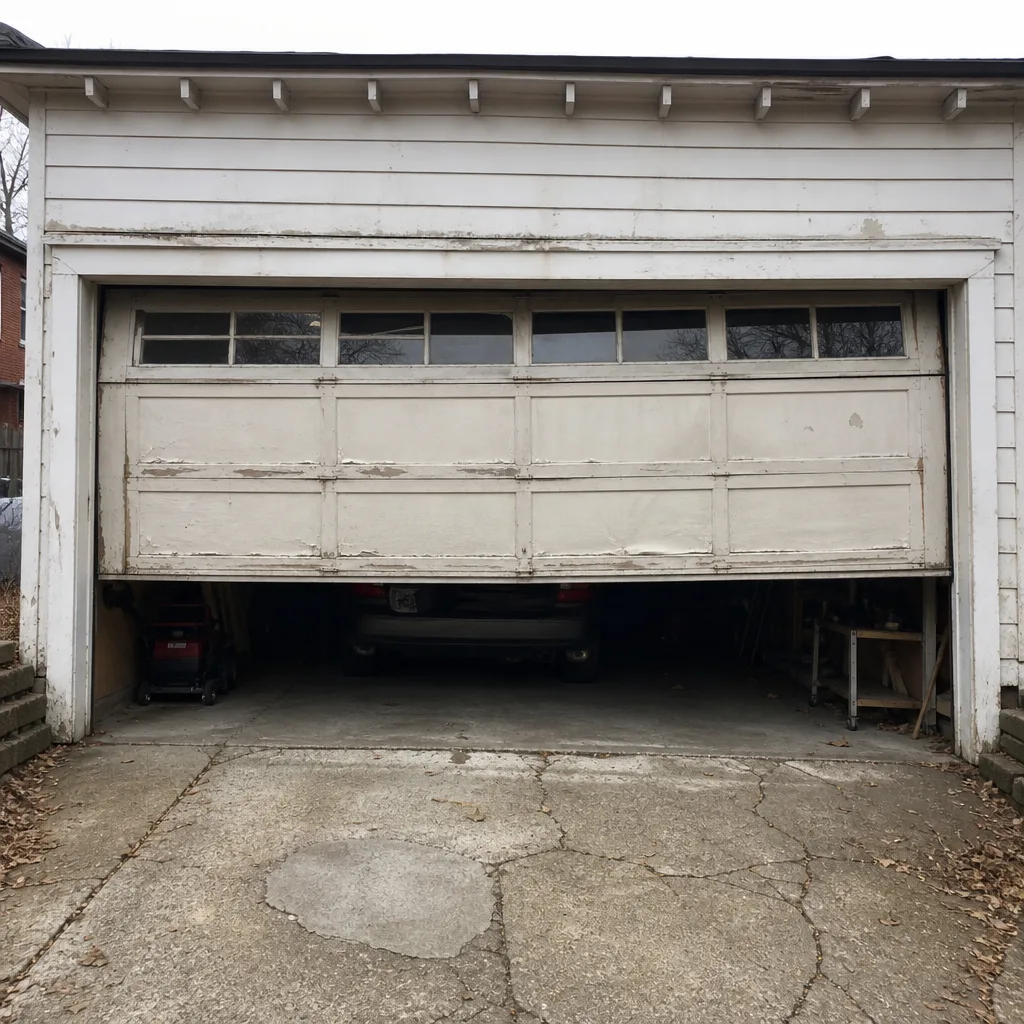 Before
 After
 Before
 After
When to Call a Professional
Call a professional for anything involving springs, cables, the bottom bracket, or opener force adjustment. Also call if your monthly walkaround turns up a grinding or squealing you can’t trace, if the door won’t stay balanced, if the safety reverse fails, or if the door has become noticeably harder to lift by hand. A broken spring or a slack cable is an immediate call, not a next-week one. Garage Door Repair Petworth offers free estimates in Petworth and can work with your schedule. Call (833) 509-3461 to book a visit.
Frequently Asked Questions
Once a year is the right cadence for most households, with monthly owner tasks in between and lubrication every three to four months. If your door runs more than about eight cycles a day, ask for a six-month professional check instead. The point is to match the schedule to your actual use.
Estimate your cycle count first: standard torsion springs are typically rated around 10,000 cycles, so at 1,800 cycles a year that’s roughly five to six years of typical use. After that, schedule a professional inspection to check tension and condition. A visible gap in a torsion spring means it has already broken; don’t touch it, call a technician.
Yes, for springs, hinges and bearings, using a white lithium grease or a dedicated garage door lubricant, not WD-40. Apply it every three to four months. Never lubricate the tracks, and never do it while the door is moving. If you’re unsure about any step, a professional can handle it during a service visit.
Nylon rollers run quieter and generally need less lubrication, while steel rollers are durable but noisier and wear at the bearing. Both should be inspected monthly and replaced when they develop flat spots, cracks, or a rattle. Your annual service is the right time to assess whether the current set is due for replacement.
Yes. The summer humidity and winter dryness cycle causes rust on hinges and fasteners, and can warp wood door panels over time. Wiping rust-prone hardware with a light oiled cloth, keeping the bottom seal in good shape, and checking panels each spring and fall will help. In attached rowhouse garages the swings tend to be sharper.
It can help. A documented maintenance log gives you proof of upkeep if you ever file a claim related to the door, and some insurers ask for it. The same log is valuable at resale, since buyers and inspectors look closely at mechanical systems. Keep receipts and any written estimates alongside it.
The Bottom Line
A garage door wears out by cycle, not by calendar. Track your daily opens, lubricate springs, hinges and bearings every few months with the right product, run the monthly walkaround including the safety reverse test, and book an annual technician visit for spring tension, cable condition and opener force. Leave springs, cables and the bottom bracket to a professional, and keep a simple log so you can see where each component sits in its service life. Treated this way, a door lasts longer, fails less, and gives you documented proof of care. For anything on the professional side, call (833) 509-3461 for a free estimate.
Written by the team at Garage Door Repair Petworth.