Last updated November 21, 2026
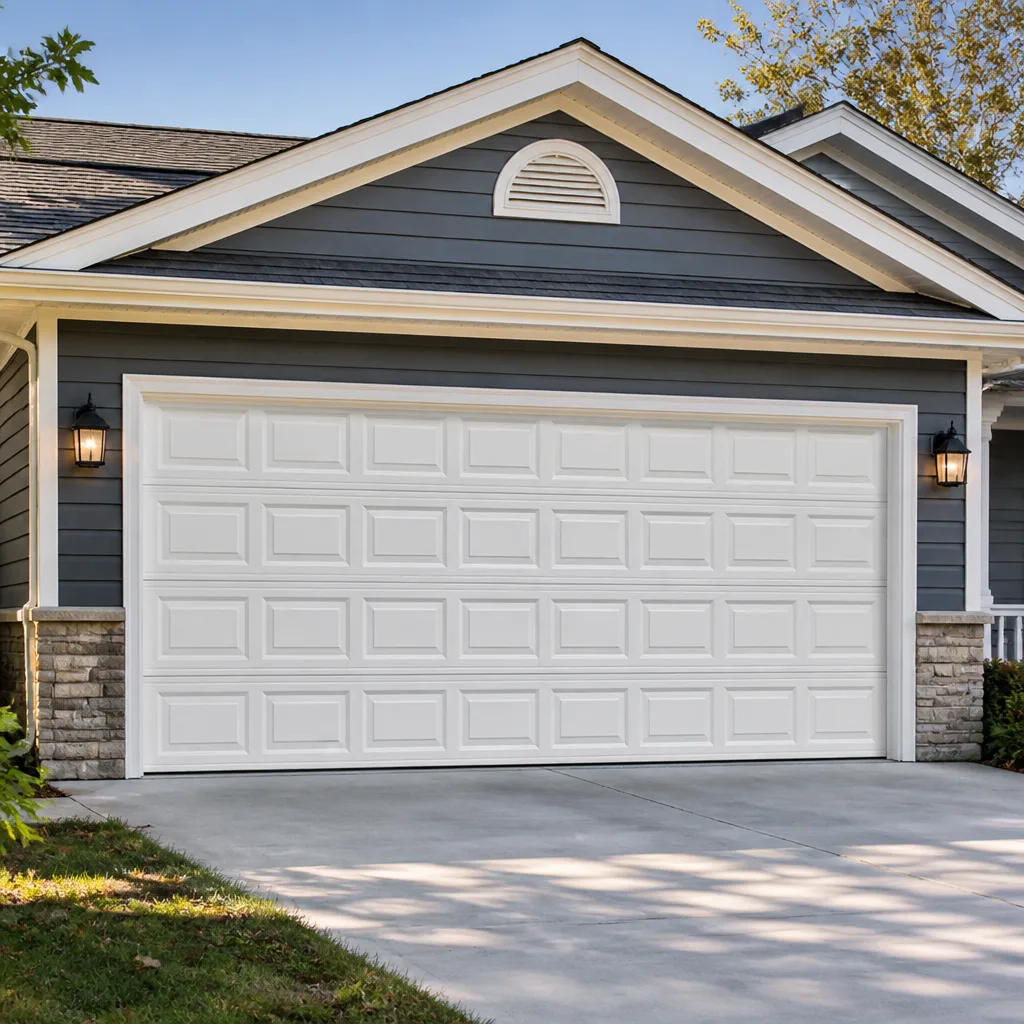 Raised-panel steel
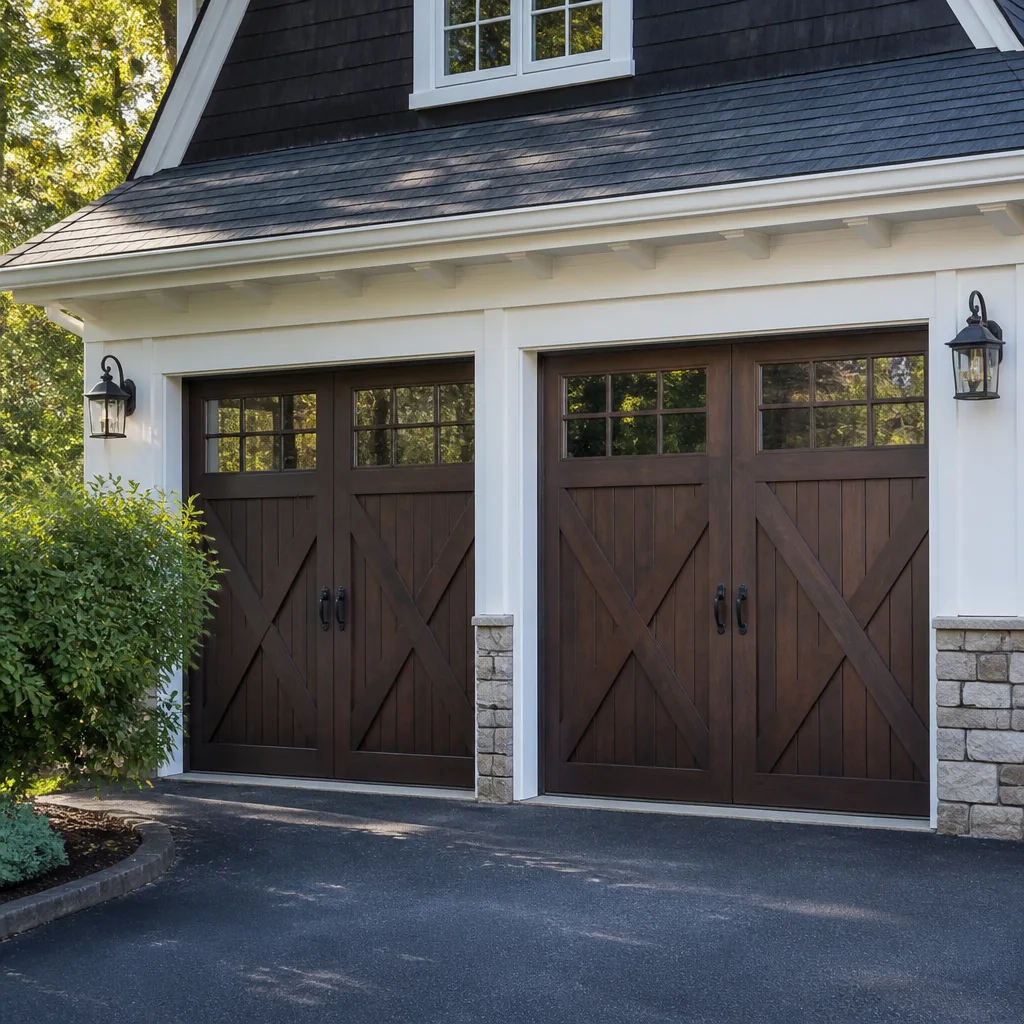 Carriage house
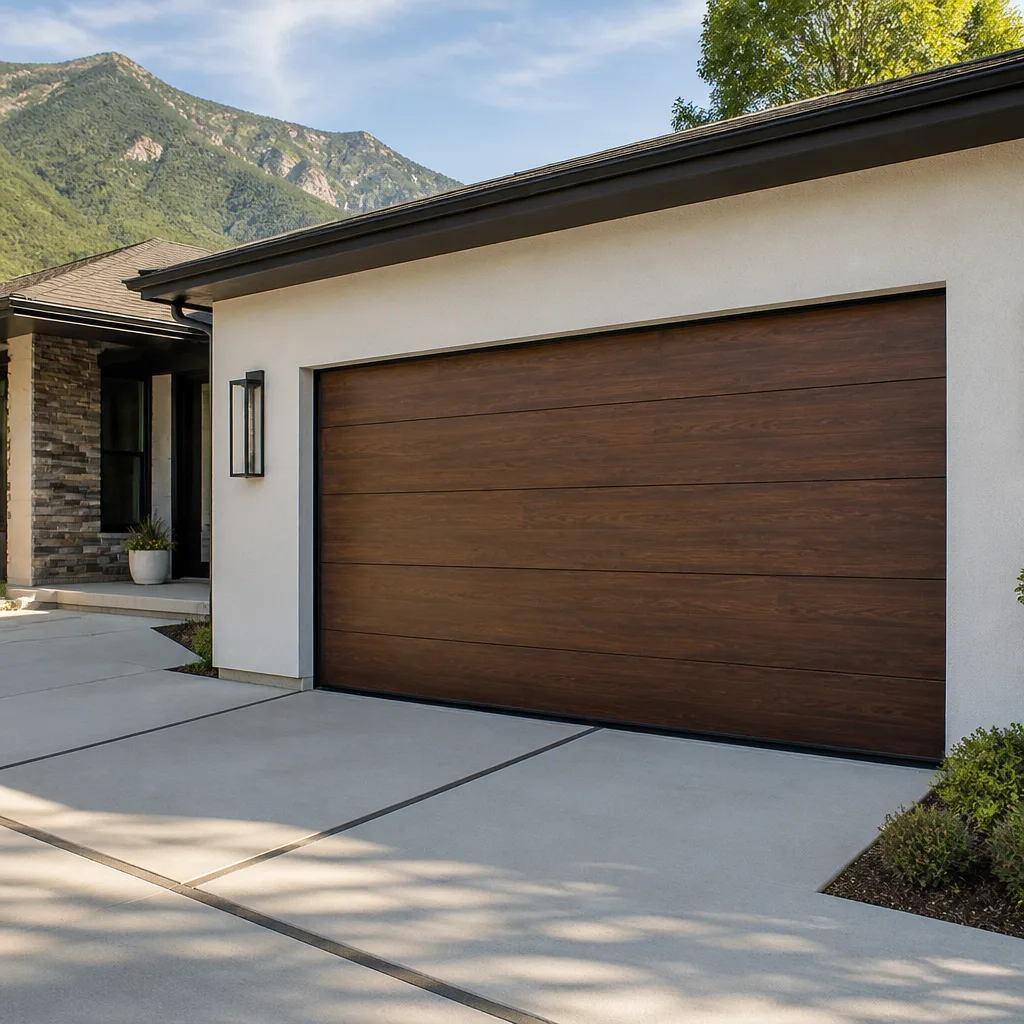 Modern flush
 Full-view glass
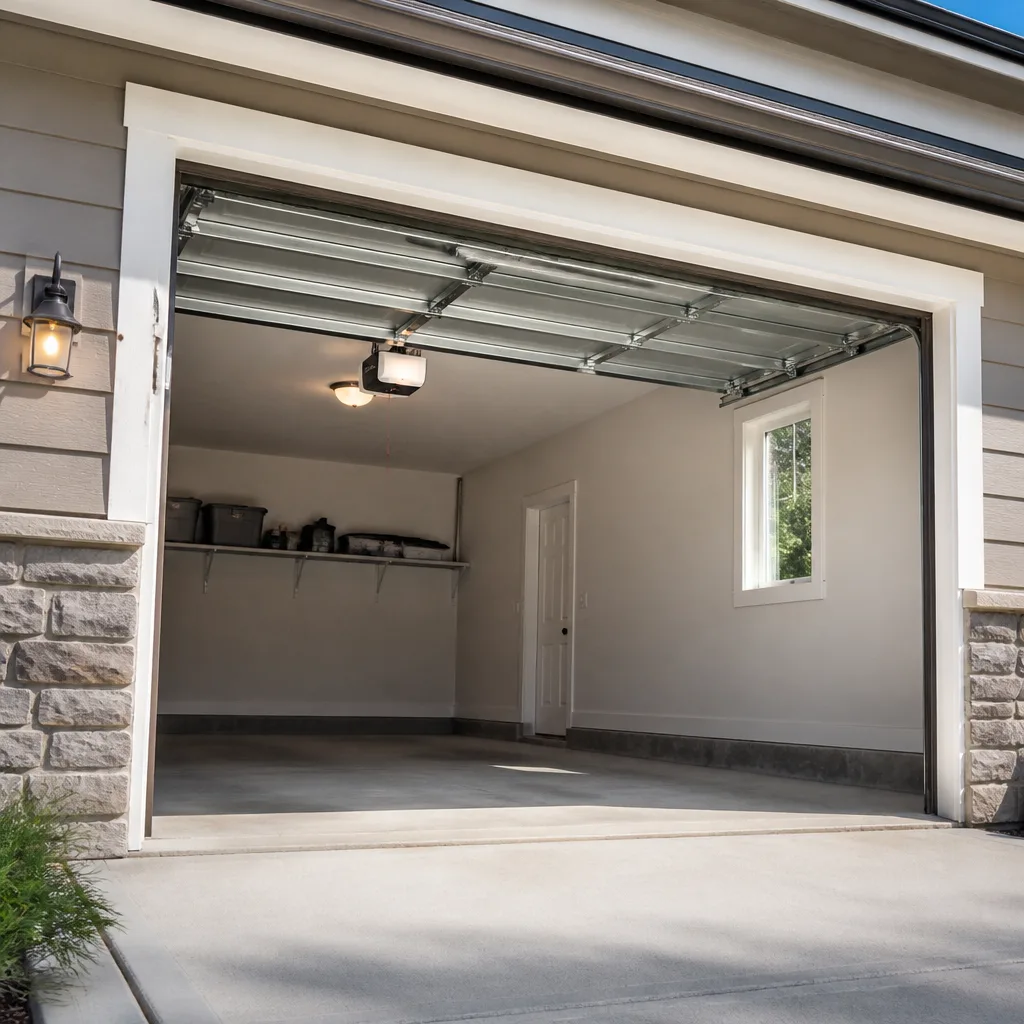 LiftMaster openers
 Chamberlain openers
Full 25-point door and opener safety check with every visit - springs, cables, rollers, tracks, and your LiftMaster or Chamberlain opener included
You get a price before we start. It does not change when the pro arrives.
Get your free estimateGarage Door Warning Signs: A Petworth Homeowner’s Reference Guide
A garage door that hesitates for two seconds before it moves isn’t being “slow.” It’s telling you the opener is working harder than its rated torque to get the door moving, and that is a measurable sign the system is out of balance. Most homeowners read that pause as normal aging, then replace the opener when the real problem sits in the springs or cables. This guide is different from the usual warning-sign checklist because we pair every symptom with its most likely mechanical cause and a clear call: act now, or monitor it. By the end you’ll know which sounds, pauses, and uneven closes matter in a Petworth home, and which can wait.
Quick Answer
The warning signs that matter most on a garage door are an opener that hesitates before moving, a sharp metallic tick near the top of travel, and a door that opens cleanly but closes unevenly. The first two usually point to spring or balance problems that need attention within weeks, while an uneven close almost always traces back to a cable drum rather than the track or rollers. Any door that reverses on its own, hangs crooked, or shows a frayed cable should be taken out of service and looked at by a trained technician.
Styles & brands we work with
- Raised-panel steel
- Carriage house
- Modern flush
- Full-view glass
- LiftMaster openers
- Chamberlain openers
Table of Contents
- Why a Hesitating Door Is a Balance Problem, Not a Speed Problem
- The Two Spring Sounds That Mean Very Different Things
- Opens Fine, Closes Unevenly? Look at the Cable Drum
- Opener Motor Wear or Balance Problem: How to Tell Them Apart
- LiftMaster and Chamberlain Blink Codes: Failure vs. Routine Adjustment
- The Severity Matrix: Stop Today, Monitor, or Maintenance Only
- How Petworth Housing and Seasons Shape These Symptoms
- Six Checks That Catch Problems Before They Break
Why a Hesitating Door Is a Balance Problem, Not a Speed Problem
When a garage door pauses before it starts moving, the opener is straining to lift weight its springs should be carrying. A torsion spring system is designed so the springs hold most of the door’s weight in balance. When those springs lose tension, the opener takes on that load and the first thing you notice is hesitation. It’s not a speed setting. It’s a torque problem.
In our experience, that hesitation gives you a repair window of roughly 30 to 60 days before something fails hard. The opener motor runs hot, the gears wear, and the door gets progressively heavier. That window is not a guarantee, and it shrinks fast in cold weather when springs contract and lose what little tension they had left.
Here’s a simple way to think about what’s happening:
- Balanced door: the opener lifts a door that wants to move, so travel starts immediately and sounds even.
- Losing balance: the opener fights the door’s full weight, so you get a pause, a groan, or a slight surge once it gets going.
- Out of balance: the opener can barely start the door, the door may reverse, and the springs are close to giving out.
You can test balance without touching the springs. With the door closed and the opener disengaged, lift the door by hand about halfway. A properly balanced door stays put or drifts only slightly. A door that sinks back down is carrying weight its springs should be holding, and that’s when you stop guessing and get it looked at. If your opener is the part that’s failing rather than the door, our garage door opener repair covers the motor, gears, and logic board side of the equation. The point is to diagnose the right component, not the loudest one.
The Two Spring Sounds That Mean Very Different Things
The sound your springs make tells you which stage of failure you’re in. Torsion springs losing tension give you a low grinding on movement. Springs that are days from snapping give you a sharp metallic tick right at the top of travel. Those two sounds feel similar in a quiet garage, but they call for different responses.
Low grinding on movement
This is usually a spring that’s gradually relaxed and let the door’s weight settle onto the opener and rollers. It’s a slow decline. You have time to schedule a repair, but you shouldn’t ignore it, because the load keeps transferring to the opener every time you use the door. In a Petworth rowhouse where the garage sits under the main living floor, that grind also carries into the house, which is why homeowners often hear it before they see anything wrong.
Sharp metallic tick at the top of travel
This one is more urgent. A tick or snap near the end of the upward travel often means a spring has a crack working through its coil. Springs don’t fail gently when they finally go; they release their stored energy in an instant. Do not stand under a door that ticks, and do not try to help it up by hand. The springs and cables are under high tension and require a trained professional with the right winding bars and technique. This is exactly why spring repair is a specialty rather than a task to improvise. If you want to understand what a proper spring job involves, our guide to Garage Door Repair Petworth walks through how we approach the whole door.
Listen for the difference. Grinding is a fading spring. Ticking is a spring on the edge. Treat the second like the door is already broken.
Opens Fine, Closes Unevenly? Look at the Cable Drum
A door that opens normally but closes at an angle is almost never a track or roller problem. It usually points to a cable drum. The drums at the top corners of the door spool the lift cables evenly, and when one drum slips or winds its cable lopsided, that side of the door lags on the way down. Homeowners frequently blame the track because it’s the visible part, but a bent track would show up on the way up too.
Here’s how to tell what you’re really dealing with:
- Watch the gap at the floor. If one corner touches down before the other and stays that way through the whole close, that’s a cable or drum issue.
- Check for a slack or tangled cable. A cable hanging loose on one side, or one that’s visibly wound over itself on the drum, is the culprit. Don’t try to reseat it. Cables are under tension and can snap.
- Look at the door’s level on the way up. If it rises level and only dips on the close, the track is probably fine and the drum is where the problem lives.
An uneven close also strains the opener, because it’s now lifting one side against the other. Left alone, it can lead to a jammed door that won’t close at all, and a door stuck partway down is a security problem in any Petworth block where the garage faces an alley. This is the kind of repair where garage door repair needs to address the drums and cables, not just realign the track and call it done.
Opener Motor Wear or Balance Problem: How to Tell Them Apart
Misdiagnosing motor wear as a balance problem, or the reverse, leads homeowners to replace the wrong part. The good news is that a few checks tell you which side of the system is failing. Do them in order.
- Run the manual balance test. Disengage the opener and lift the door by hand. If it’s heavy or sinks, the problem is the door’s balance, not the motor.
- Listen to the motor alone. Reengage the opener and watch it with the door disconnected from the spring load where you can safely do so. A healthy motor should cycle smoothly. If it grinds, hums without moving, or cuts out, the opener is the issue.
- Check the age of the symptom. A door that’s been heavy for months and now stops mid-travel has a motor worn out by an unbalanced door. One that suddenly stops without any prior heaviness is more likely an opener fault.
- Look at the lights and sounds. A motor that grinds and a door that sticks are two different jobs. Don’t buy a new opener until you’ve confirmed the door moves freely by hand.
We’ve seen plenty of doors where a homeowner replaced a perfectly good opener because the door was heavy. That’s an expensive way to solve a spring problem. Craftsman and LiftMaster openers, both very common in Petworth homes, are well worth repairing if the door itself is the source of the strain. A technician who’s familiar with the specific brand will tell you whether the motor or the door is at fault before anything gets replaced.
LiftMaster and Chamberlain Blink Codes: Failure vs. Routine Adjustment
If your opener has an LED that blinks in patterns when it stops, that pattern is a diagnostic code, not a random glitch. LiftMaster and Chamberlain openers use blink sequences to tell you what sensor, motor, or logic fault stopped the door. Some codes mean a routine adjustment; a few point to a failing component that needs repair.
A short repeated blink pattern often relates to the safety sensors. That can be a misalignment, a dirty lens, or an obstruction in the beam, and it’s usually the least urgent kind of code. A longer, steady sequence that repeats with a pause can point to a logic board, travel limit, or motor problem, which is a repair rather than a quick fix. The exact meaning depends on the model, so treat the pattern as a clue and let a technician confirm it.
Two things are worth doing before you call:
- Clear the sensor path. Wipe the sensor lenses and check for anything blocking the beam. If the door then runs smoothly, you’ve handled a routine adjustment.
- Note the pattern. Count the blinks and the pauses. That helps a technician identify the model and the fault the moment they see it.
If the code returns after a clear sensor path, don’t keep cycling the door to test it. Repeated attempts on a motor fault can turn a repair into a replacement. Our team works on LiftMaster and Chamberlain every week and can read the code against your model rather than guess. The same principle applies to any opener brand: the code is a starting point, not the whole answer.
The Severity Matrix: Stop Today, Monitor, or Maintenance Only
Not every symptom carries the same urgency. This is the part most checklists leave out, so here’s a straight sorting of fifteen common signs into three tiers. Use the door according to the tier until a technician sees it.
Five signs that mean stop using the door today
- A loud bang from the spring area followed by a door that won’t lift.
- A sharp metallic tick at the top of travel that repeats every cycle.
- A visibly frayed or snapped cable.
- A door that hangs crooked and can’t be lifted smoothly by hand.
- The door reverses on its own with nothing in the path, especially after a sensor check.
Five signs that allow monitored use for 2 to 4 weeks
- A two-second hesitation before the door starts moving.
- Low grinding that gets louder over a few weeks.
- A door that closes unevenly but still seats fully.
- An opener that stops once, recovers, and then runs fine for days.
- One blink pattern for sensors that clears when you wipe the lenses.
Five signs that are maintenance items only
- Squeaking hinges or rollers.
- A door that rattles on the way up.
- Weatherstripping that’s curling at the corners.
- A remote that needs a fresh battery.
- A slightly stiff lock or handle.
When in doubt, err toward the higher tier. A door that’s genuinely fine loses nothing by being checked, and a door in the stop-today tier loses a lot by being pushed through one more cycle. The tiers describe what a typical job involves, not a promise; the specific diagnosis is what a technician confirms on site.
How Petworth Housing and Seasons Shape These Symptoms
Petworth garages are often tight, alley-facing, and tucked under or behind a rowhouse, and that changes what a door problem looks like. A tight clearance between the door and the framing means a slightly out-of-balance door is more likely to scrape or jam than it would in a wide suburban garage. When the door rubs, the noise can travel up through the house and get mistaken for a plumbing or framing issue.
The seasonal swing matters here too. Winters bring cold, and cold springs contract and lose tension, which is when the hesitation and grinding become obvious. A door that sat balanced through the fall can turn heavy in a January cold snap. Summer heat works the other way, expanding the metal and stressing seals and hinges. Neither season is kind to a door that was already borderline.
The alley layout in Petworth adds a practical concern. A door that jams partway down leaves the garage open to the alley, and that’s a security issue as much as a mechanical one. Emergency service exists for exactly this: a door stuck open, stuck closed, or stuck partway with the house exposed. If your door is holding the garage open and you can’t wait, call us and we’ll talk through what’s happening before anything else. The location doesn’t change the symptoms, but it does change how much they matter.
Six Checks That Catch Problems Before They Break
A little routine attention catches most of these signs while they’re still small. Run through this list every few months and you’ll know your door’s condition before a problem announces itself. These are inspections, not repairs. Leave the springs and cables to a technician.
- Do the balance test. Disengage the opener and lift the door by hand to halfway. It should hold its place. If it sinks, the springs are losing tension.
- Listen on the way up and the way down. Note grinding, ticking, or squealing and whether it happens at the start, middle, or top of travel.
- Watch the closing gap. If one corner reaches the floor first, check for slack cables and call a technician before it jams.
- Check the sensors. Wipe the lenses and make sure nothing blocks the beam. Clear the beam path of stored items.
- Look at the rollers and hinges. A light application of garage door lubricant on the hinges and rollers, not the springs or cables, keeps the door quiet and easier to move. Avoid the springs and the track itself.
- Inspect the weatherstripping. A curled bottom seal lets in cold air, water, and pests. A seal that’s failing is a maintenance item and an easy fix before it becomes a moisture problem.
When a repair turns into a bigger job, a door that’s beyond saving gets replaced rather than patched. If your door is at that stage, our guide to garage door installation covers what to expect from the measure through the finished job, including brands like Wayne Dalton and Raynor. It’s better to know that going in than to discover it after a repair that didn’t hold.
Common Mistakes to Avoid
- Replacing the opener before checking the door’s balance. A heavy door wears out any new opener you put on it. Test the balance first, or you’ll pay twice.
- Assuming an uneven close is a bent track. A track problem shows up on the way up. An uneven close points to the cable drum. Diagnose the right part.
- Trying to fix a spring or cable yourself. These carry stored energy that can release without warning. A trained technician with proper winding bars is the only safe route.
- Ignoring a spring tick because the door still works. The tick is the warning before the snap. A door that still cycles is not proof it’s safe.
- Letting a door jam partway down and stay there. In a Petworth rowhouse that opens to an alley, a half-closed door is a security exposure. Treat it as urgent.
- Cycling the door repeatedly to test a fault. Each cycle on a failing component adds wear. Note the behavior and call once.
- Lubricating the springs and cables. Keep lubricant on hinges and rollers only. Springs and cables are not for DIY attention.
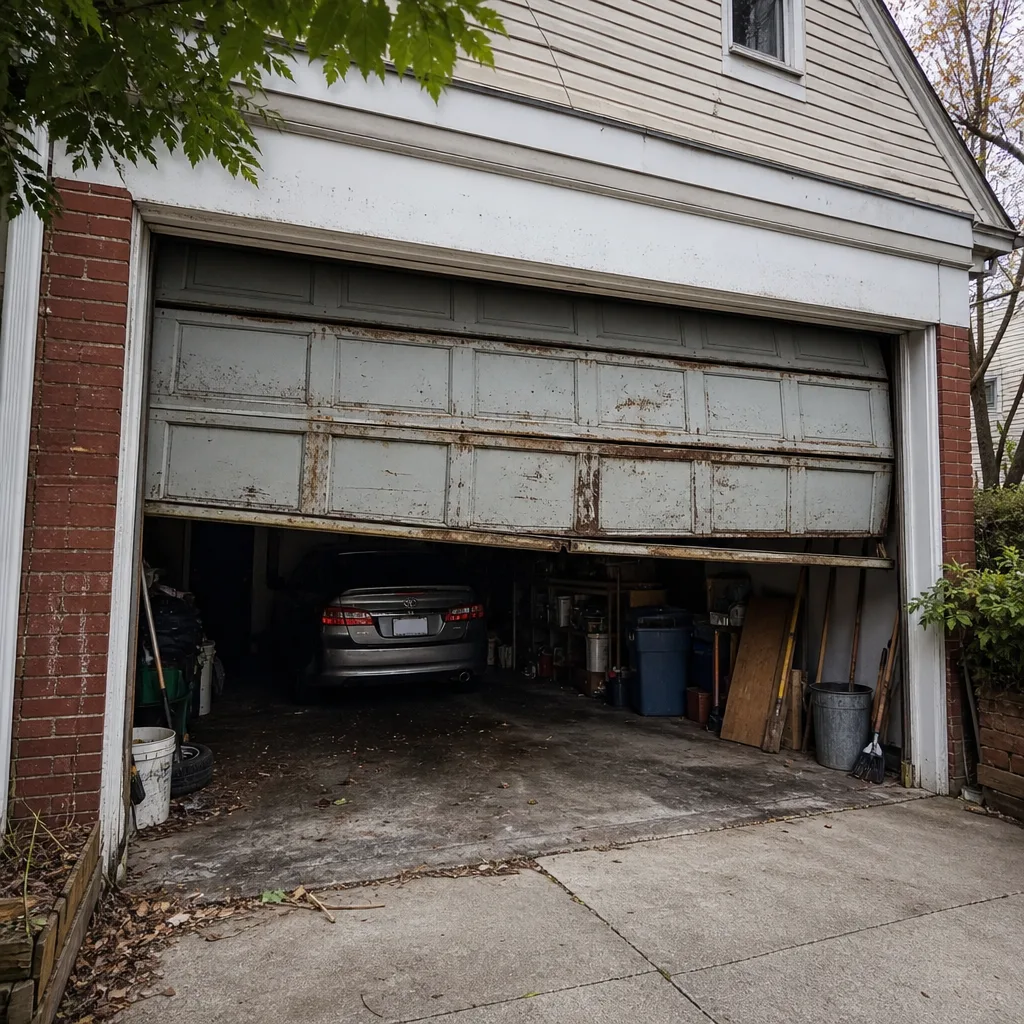
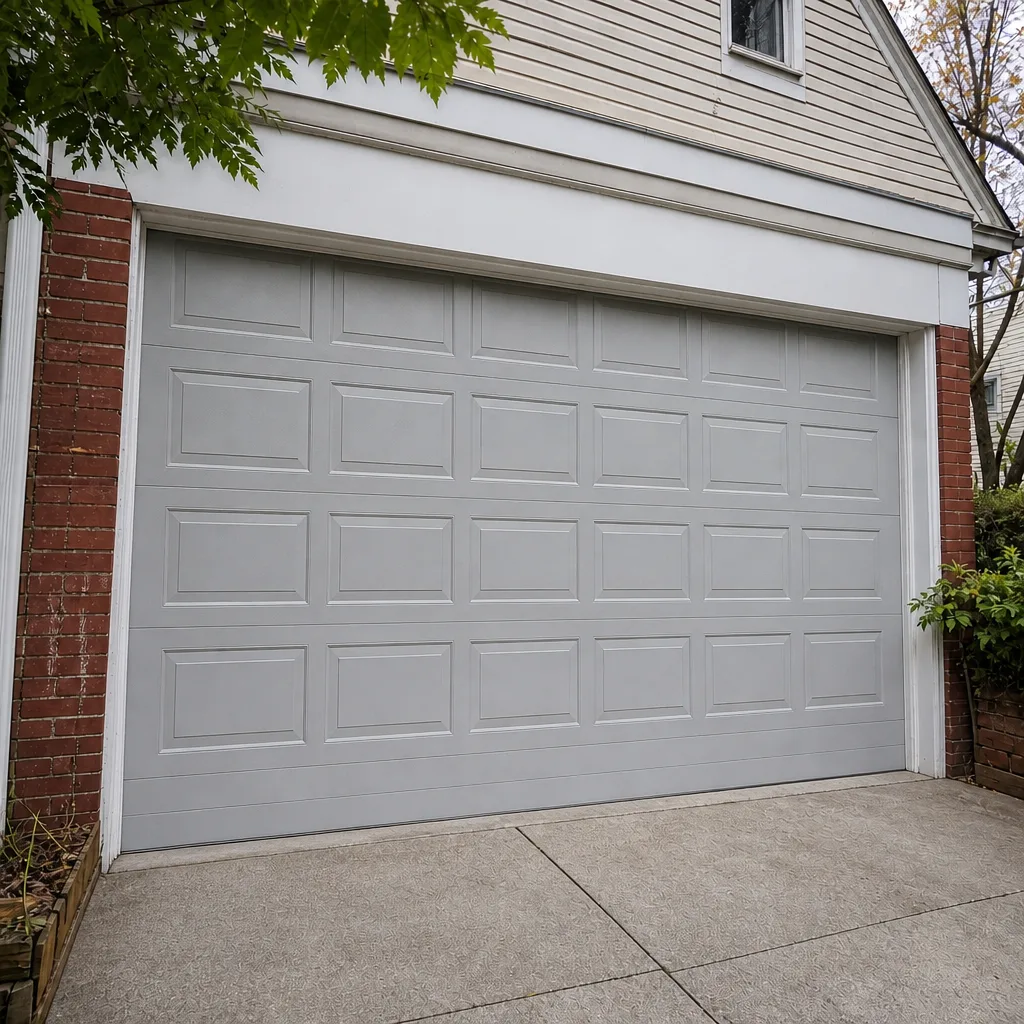
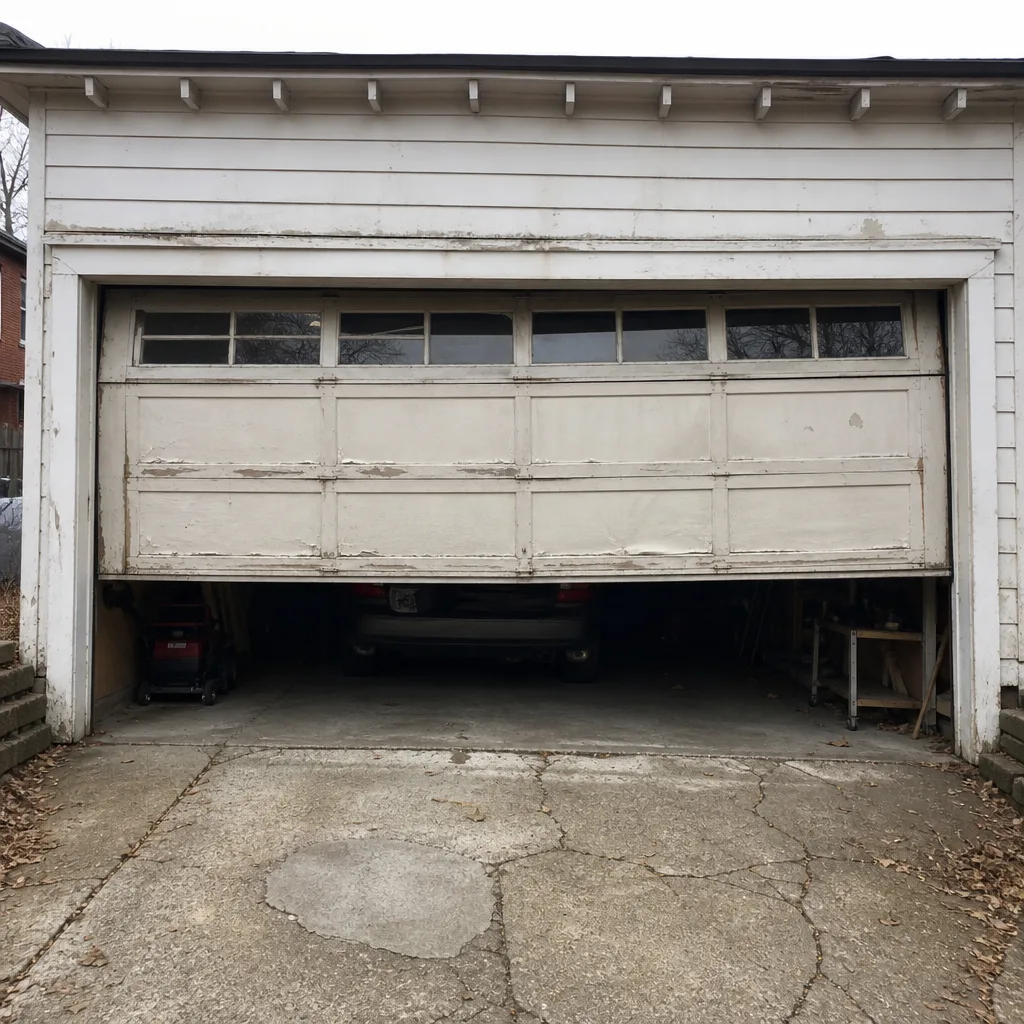
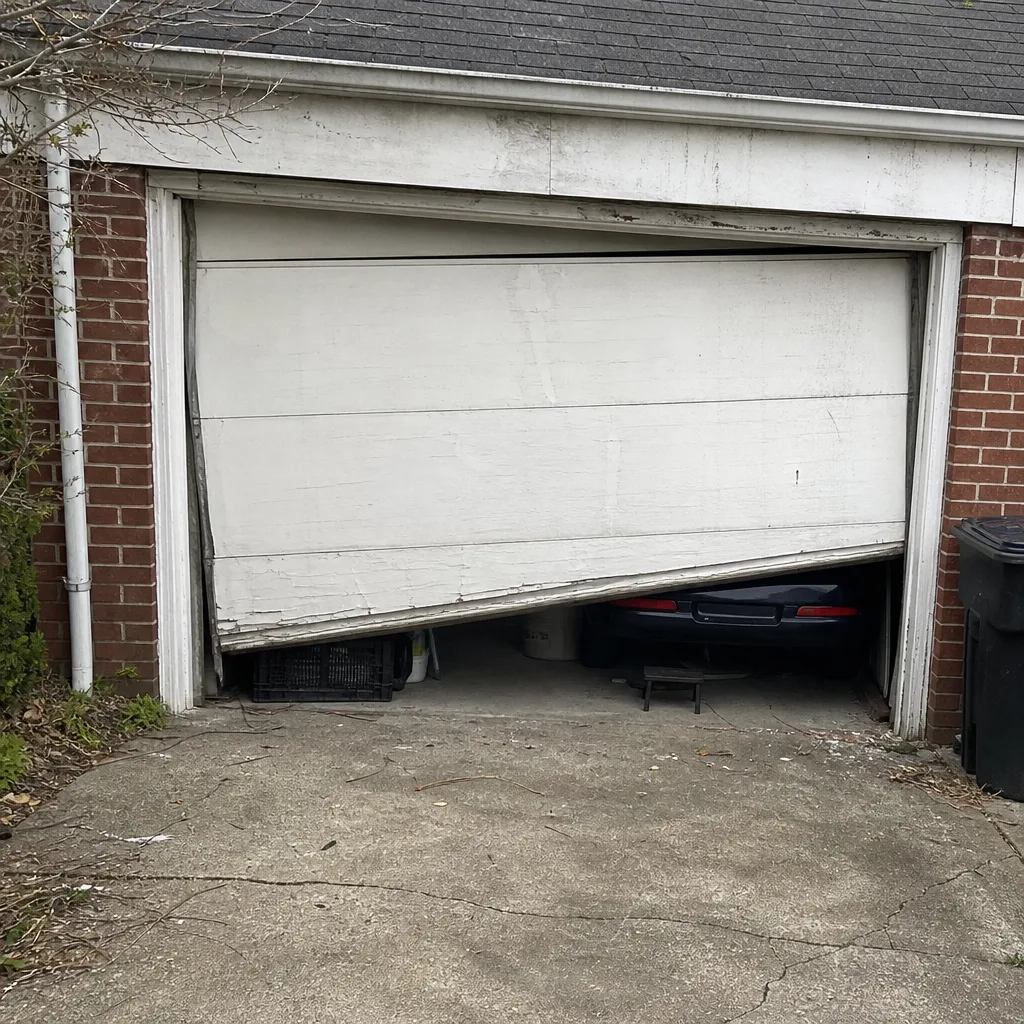
See the difference
 Before
 After
 Before
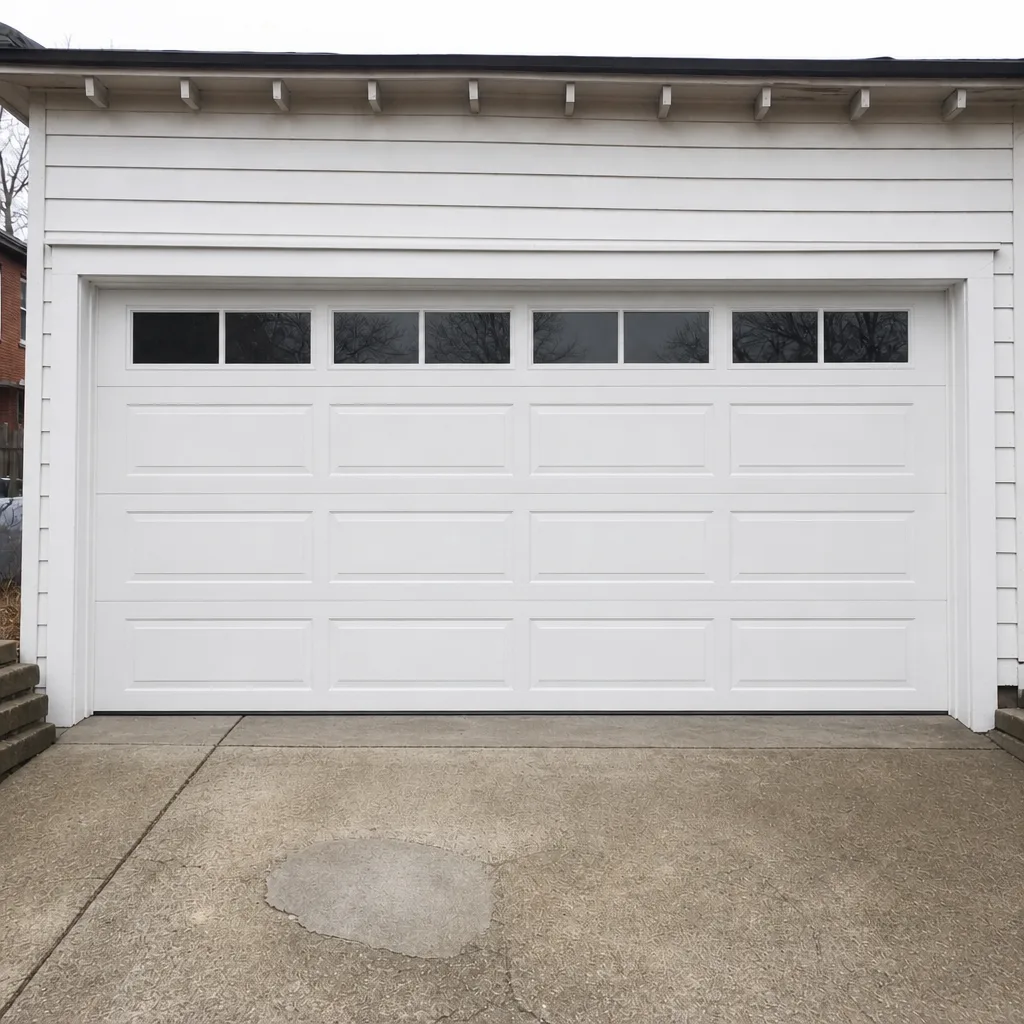 After
 Before
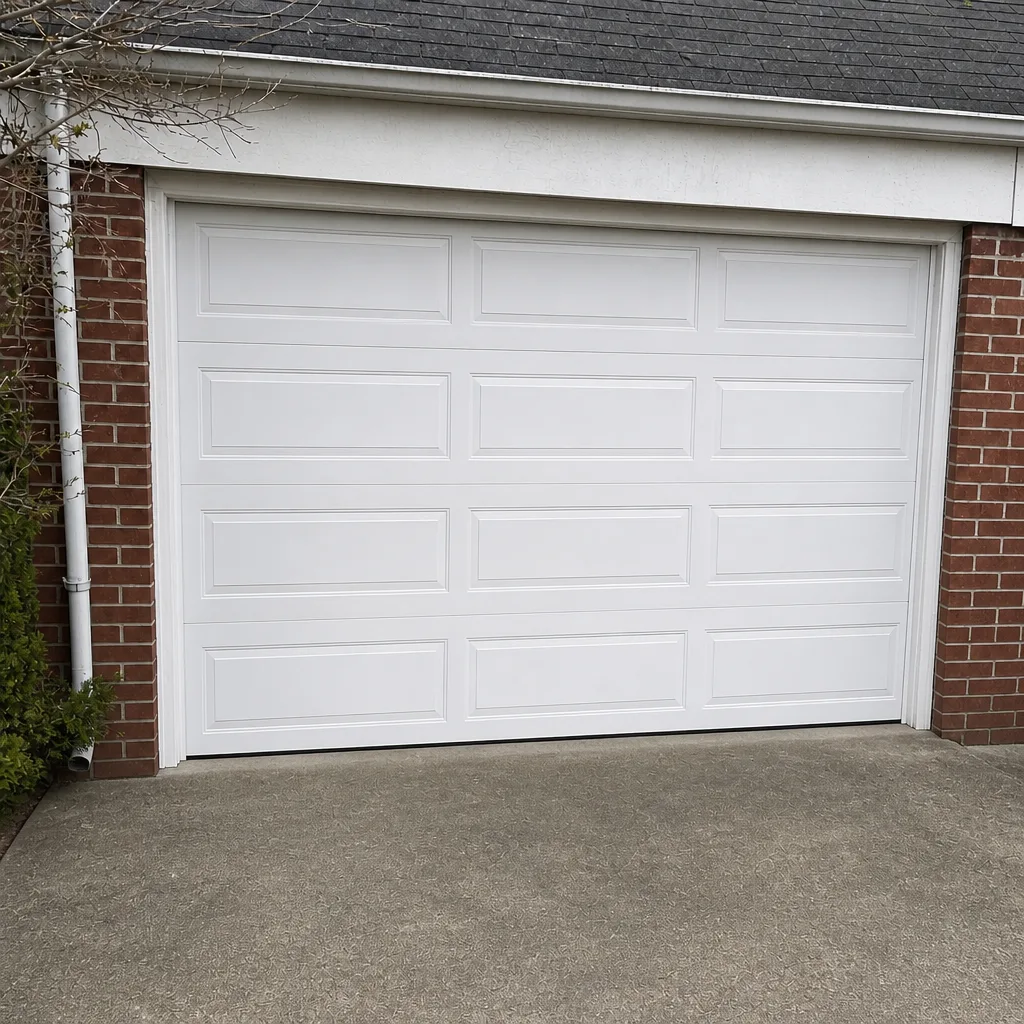 After
When to Call a Professional
Call a professional when the door ticks, hangs crooked, shows a frayed cable, or reverses on its own with nothing in the path. Call when the opener hesitates and the door feels heavy by hand, because that’s a job the opener can’t fix and a homeowner shouldn’t handle. Call when a door jams partway and your garage faces the alley and the house is exposed. Springs and cables in particular require a trained technician, and a door that’s stuck open or closed is an emergency anyway. Garage Door Repair Petworth offers free estimates in Petworth, call (833) 509-3461. A written price is agreed before any work starts, so you know the cost before the job begins.
Frequently Asked Questions
About 30 to 60 days is a realistic window, and cold weather can shorten it. A hesitation means the springs are losing tension and the opener is taking the load. That window is a guide, not a promise. Have it looked at while it still cycles. Call (833) 509-3461 for an exact quote; estimates are free.
Yes, a sharp metallic tick at the top of travel is one of the more serious signs, because it often means a spring has a crack working through its coil. Stop using the door and do not try to help it by hand. Call (833) 509-3461 and we’ll talk through what’s happening.
A door that opens level but closes unevenly usually points to a cable drum that’s winding its cable lopsided. The track and rollers get blamed most often, but a track problem would show on the way up too. Call (833) 509-3461 for an exact quote; estimates are free.
Run the manual balance test first. Disengage the opener and lift the door by hand; if it’s heavy or sinks, the door is out of balance. If it moves freely and the motor still grinds or hums, the opener is the issue. Call (833) 509-3461 for an estimate.
A short repeated blink pattern is often a sensor fault, which can be a routine misalignment or a dirty lens. A longer repeating sequence can point to a logic board, travel limit, or motor problem, which is a repair. Count the blinks and pauses and call (833) 509-3461; estimates are free.
Yes, cold air contracts springs and can turn a door that felt fine in fall into a heavy one. The season doesn’t cause the problem, but it speeds up a decline that’s already underway. Call (833) 509-3461 for an exact quote; estimates are free.
The written estimate is the price, and it’s agreed before any work starts. The estimate is based on the diagnosis, so we look before we quote. Call (833) 509-3461 to set one up.
The local professional we connect you with is licensed and insured as the state requires. Our technicians have up to 10 years of experience across the brands we service. Call (833) 509-3461 for a free estimate.
The Bottom Line
Warning signs on a garage door are not all the same weight. A hesitation is a balance problem with a 30 to 60 day window. A tick at the top of travel is a spring that could let go. An uneven close points to a cable drum, not the track. Sort the symptom by severity before you act, and never treat a spring or cable as a DIY project. If your door shows any of the stop-today signs, take it out of service and get it looked at. The team at Garage Door Repair Petworth has seen these symptoms on doors all over the neighborhood, and we’ll tell you plainly what’s failing, how long you have, and what the repair involves.
Ready to get your door checked before it fails? Call Garage Door Repair Petworth at (833) 509-3461 for a free estimate. We’ll confirm the diagnosis, give you a written price before any work starts, and tell you honestly whether your door calls for a repair or a replacement. Every technician on the job works on garage doors and nothing else, so the answer you get is the right one for the door in front of them.
Written by the team at Garage Door Repair Petworth.